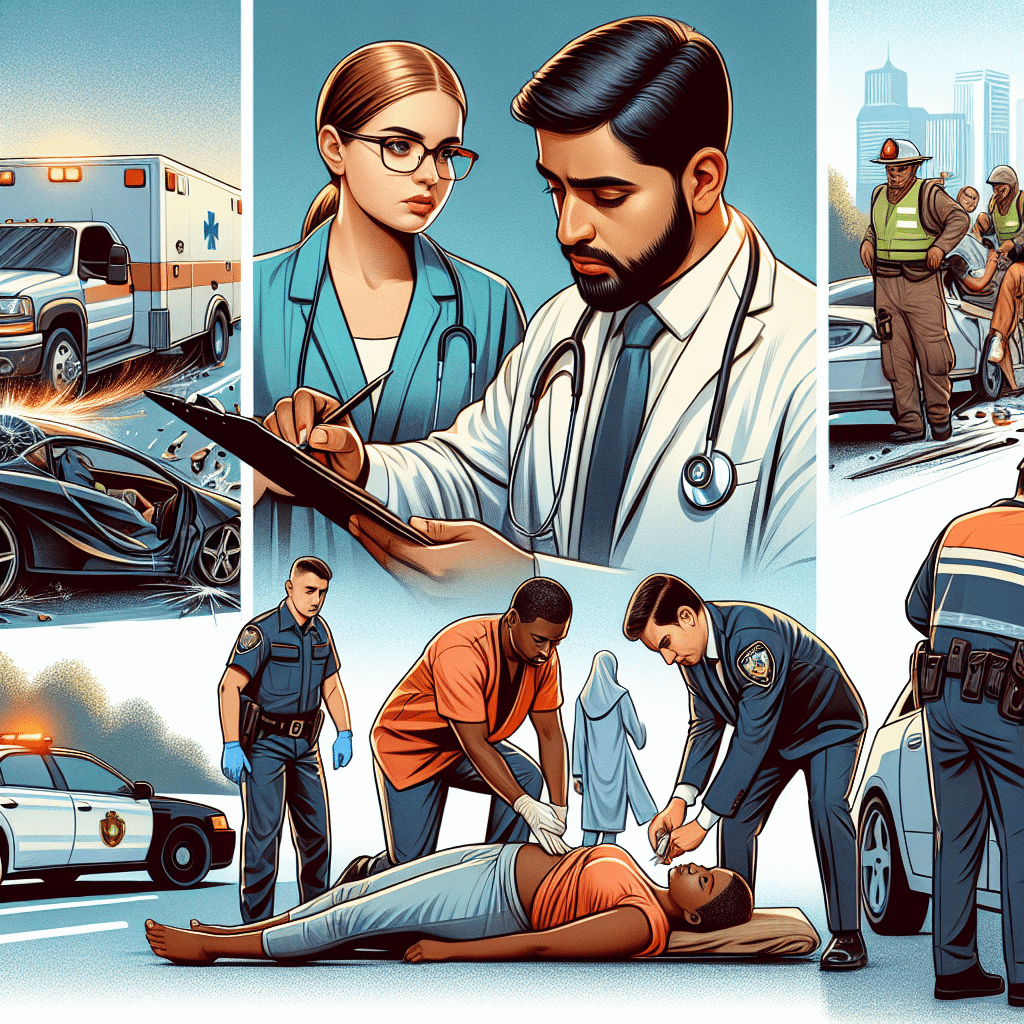
Being involved in a car accident can be a stressful and confusing experience, whether it’s a minor fender bender or something more serious. Knowing the right steps to take immediately afterward can help protect your safety and legal rights, and streamline the process of dealing with insurance and any potential legal issues. Here’s a concise guide to navigating those crucial moments following a car accident.
1. Safety First: Ensure Everyone is Safe
The very first thing to do is check yourself and any passengers for injuries. If someone is injured, call emergency services right away. Even if injuries seem minor, it’s wise to get checked out by a healthcare professional.
If it’s safe to do so, move your vehicle to the side of the road to prevent further accidents. Turn on your hazard lights to alert other drivers, and if you have warning triangles or flares, set them up to increase your visibility.
2. Call the Police
Regardless of the severity of the accident, it’s typically a good idea to call the police. An official police report can be crucial in helping to clarify details and serve as an impartial account of what occurred, which is particularly useful when dealing with insurance companies or if legal disputes arise.
In some regions, you’re required by law to report accidents when certain thresholds of damage or injury are met. Familiarize yourself with local laws, so you know when a police report is necessary.
3. Exchange Information
Once everyone is safe and if the situation allows, exchange information with the other driver(s) involved. Key details include:
- Full names and contact information
- Insurance company names and policy numbers
- Driver’s license and license plate numbers
- Make, model, and color of the vehicles involved
While doing this, remain calm and avoid discussing fault or assigning blame, as these discussions can complicate matters later.
4. Document the Scene
Use your smartphone to take photos or videos of the accident scene from multiple angles. Capture any visible damage to the vehicles, skid marks, road conditions, and any relevant traffic signs or signals. Also, photograph injuries if any are visible.
Having visual evidence can help insurance adjusters evaluate the damage and provides a clear view of the scene for future reference.
5. Talk to Witnesses
If there are any bystanders who witnessed the accident, politely ask if they’d be willing to provide their contact information. In larger disputes, witness testimonies can be instrumental in corroborating your version of events. Always note down any verbal accounts as soon as possible, while they are fresh in your memory.
6. Notify Your Insurance Company
Many insurance policies require you to report accidents as soon as possible. Call your insurance agent or customer service line to inform them of the incident. Provide them with the information you’ve gathered, but avoid speculating or admitting fault during this initial call.
7. Keep Track of Medical Treatment
If you or any passengers are injured, keep a detailed record of your medical treatment, expenses, and any related correspondence. Keeping track of doctor visits, medications, and therapy can be important for insurance claims and potential legal actions to cover your medical costs.
8. Consider Legal Advice
If the accident involves significant damage, injury, disputes about liability, or if another party’s insurance company is being difficult, you might want to consult with an attorney. A legal professional can help navigate complex insurance claims and ensure your rights are protected.
9. Take Care of Your Emotional Well-being
Car accidents can be emotionally jarring. Don’t underestimate the importance of managing stress and mental health after such an event. Allow yourself time to process what happened and seek support from friends, family, or a professional if needed.
Taking these essential steps after a car accident can not only help to ease the immediate aftermath but also protect your interests down the line. Preparedness and measured responses can go a long way in reducing the chaos that often follows traffic accidents.


