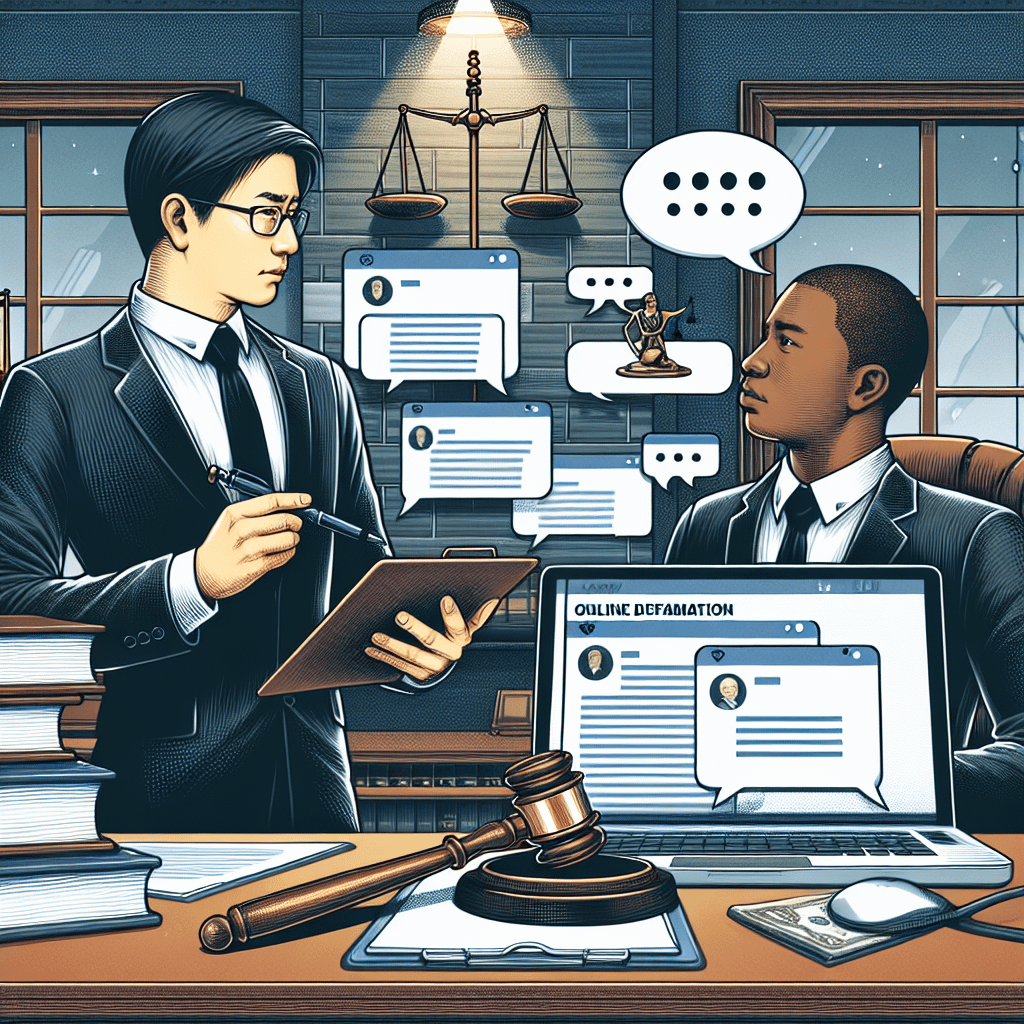
In today’s digital age, the internet has expanded our reach and ability to connect, but it also comes with its own set of challenges, especially when it comes to what’s being said about us online. One particularly damaging issue can be the spread of false rumors, also known as defamation. If you find yourself the subject of untrue and harmful statements, you may wonder, “Can I sue someone for defamation if they spread false rumors about me online?” Let’s explore this topic and see what options you might have.
Understanding Defamation
Before diving into specifics, it’s important to understand what defamation is. Simply put, defamation occurs when false statements are made about someone that cause damage to their reputation. Defamation can take two forms: libel, which is written defamation, and slander, which is spoken. Given the nature of the internet, most online defamation falls under libel, since it involves things like social media posts, blogs, or comments.
The Elements of a Defamation Claim
To successfully sue for defamation, certain elements typically need to be present:
1. A False Statement: The statement made about you must be false. Truth is a solid defense against defamation.
2. Publication: The false statement must be communicated to someone other than yourself. In the online world, this happens when the statement is posted where others can see it.
3. Injury: You must show that the false statement caused harm to your reputation, such as hurting your career, causing personal distress, or leading to financial losses.
4. Fault: Depending on whether you are a private individual or a public figure, you must show that the person who made the statement did so either negligently (for private individuals) or with actual malice (for public figures).
Common Situations
Imagine this scenario: you discover someone has posted on a social media platform saying you were involved in illegal activities that you did not commit. Friends, family, and colleagues might see this, and it could potentially damage your career or personal relationships.
In such a case, assuming the statement is false, widely viewed, damaging, and made without adequate proof or out of malice, you might have a claim for defamation. However, if what’s been said is true, even if it feels unfair, it wouldn’t meet the criteria for defamation.
Practical Tips
If you believe you’re a victim of online defamation, here’s what you can do:
1. Document Everything: Take screenshots and save copies of the defamatory statements. This evidence could be crucial if legal proceedings become necessary.
2. Avoid Direct Retaliation: It might be tempting to respond publicly, but reacting in the heat of the moment can complicate the situation or worsen its visibility.
3. Reach Out Directly: Consider contacting the individual privately to request the removal of the false statements. Sometimes, addressing the issue directly can be a quick resolution.
4. Report and Use Platforms’ Policies: Many social media and online platforms have policies against defamation or spreading false information. You can report the content to see if it can be removed under these guidelines.
5. Consult a Lawyer: If the situation persists and is causing significant harm, consulting with a lawyer knowledgeable in defamation law can help you understand the strength of your case and potential next steps.
Legal Nuances
Laws about defamation can vary significantly from one jurisdiction to another, making the involvement of a knowledgeable attorney even more crucial. In some places, elements like posting statements with the intent to reach a large audience or proving emotional distress might also need to be proven more clearly.
Also, remember that certain opinions, hyperbole, or satirical comments may not be considered defamatory because they are not statements of fact.
In summary, while false rumors online can be damaging and distressing, whether you can sue for defamation involves meeting specific legal criteria. By understanding these guidelines and seeking appropriate legal advice, you can take informed steps to address the issue and protect your reputation.


