
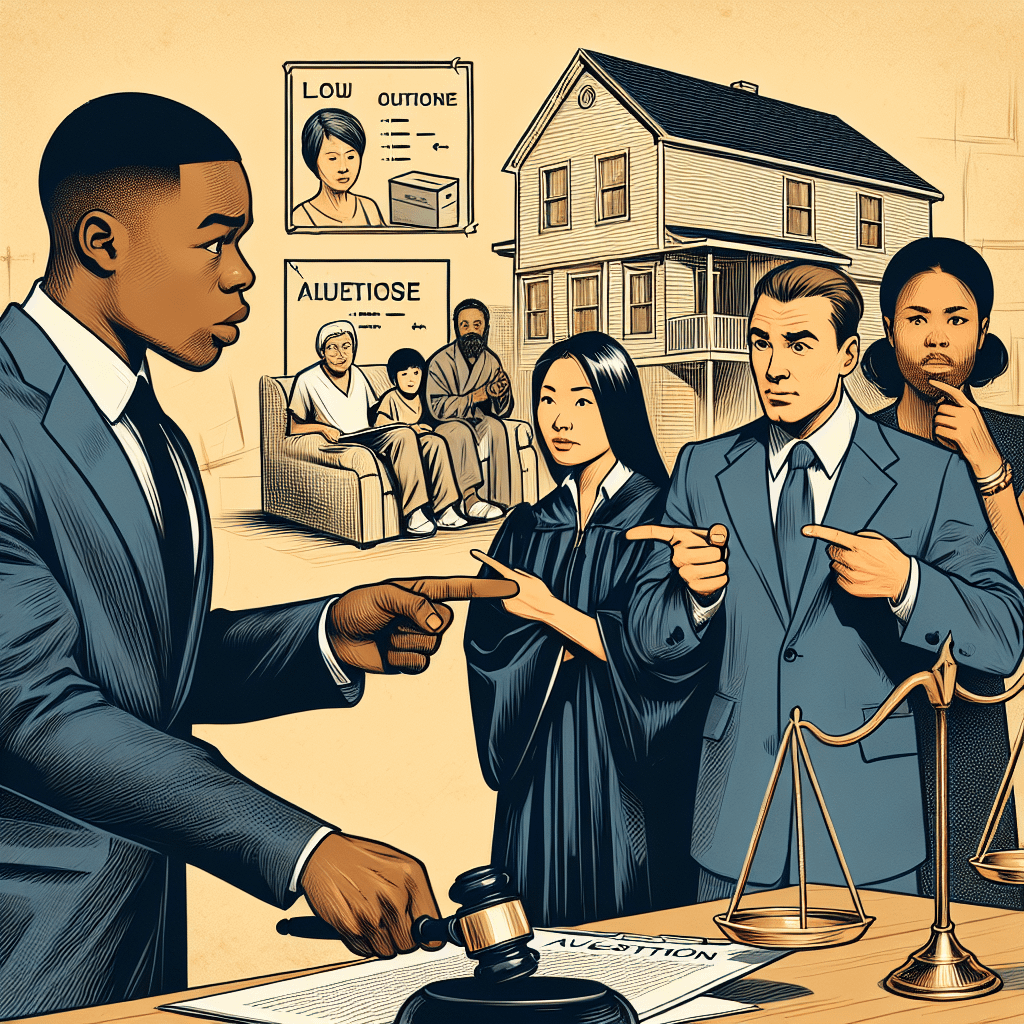
Feeling trapped in a lease because of unsafe living conditions? You’re not alone, and thankfully, there are legal avenues to protect tenants in these situations. Let’s walk through what you can do if your rental has become unlivable due to safety issues.
Understanding Your Rights as a Tenant
First up, know that landlords have a legal obligation to provide a safe and habitable living environment. This requirement is commonly known as the “warranty of habitability.” This means your home should meet basic safety and health standards—think proper plumbing, heating, electricity, and no infestations.
Recognizing Unsafe Living Conditions
But what exactly counts as “unsafe”? Examples often include:
- Lack of essential services: No heat in the winter or no running water.
- Electrical hazards: Exposed wiring or outlets that spark.
- Structural issues: Floors or ceilings on the verge of collapsing.
- Health hazards: Mold or pest infestations.
If you’re dealing with any of these, it might be time to take action.
Steps to Address the Issue
1. Communicate with Your Landlord: The first step is always to inform your landlord, preferably in writing, about the issue. Describe the problem clearly and include evidence if possible, like photos or videos. This gives your landlord the chance to fix the issue.
2. Document Everything: Keep a record of all communications with your landlord. This includes requests for repairs, any replies you receive, and any attempts they make to fix the problem.
3. Understanding Local Laws: Laws vary significantly from state to state regarding tenants’ rights and landlord obligations. In some states, the tenant may withhold rent until repairs are made. In others, tenants can pay for repairs themselves and deduct the cost from their rent. Familiarize yourself with the tenant laws in your area to know your options.
When Breaking the Lease is Justified
If your landlord refuses to address the issue within a reasonable timeframe, especially when the issue is severe enough to make the rental uninhabitable, you may be legally justified in breaking your lease.
4. Notify Your Landlord of Your Intentions: If you’ve reached this point, formally notify your landlord that you intend to break the lease due to their failure to maintain habitable conditions. Again, do this in writing and keep a copy for your records.
5. Consider Seeking Legal Advice: Talking to a lawyer or a local tenant association can provide guidance tailored to your specific situation. They can help confirm if your conditions justify breaking a lease and what further actions might be necessary.
Potential Consequences
Understand that breaking a lease can have repercussions, like affecting your credit score or your ability to rent in the future. However, if documented properly, you can often defend against these claims by proving that the landlord failed their obligations.
Practical Tips
- Research Local Resources: Many cities have health departments or housing authorities that might step in if conditions are severe. They might conduct an inspection and order the landlord to make necessary repairs.
- Keep Paying Rent: It might seem counterintuitive, but continue paying rent until you’ve legally terminated the lease. Withholding rent without following proper procedures can complicate your situation.
- Subletting might be an option, but make sure your lease allows it and ensure your subletter is fully informed about the conditions.
Navigating an unsafe living situation can be stressful, but remember, you have rights and avenues for ensuring a safe, healthy home. Always approach these steps thoughtfully and legally, and don’t hesitate to reach out for professional help if needed. Trust that you can find a resolution that values your right to a safe living environment.


