
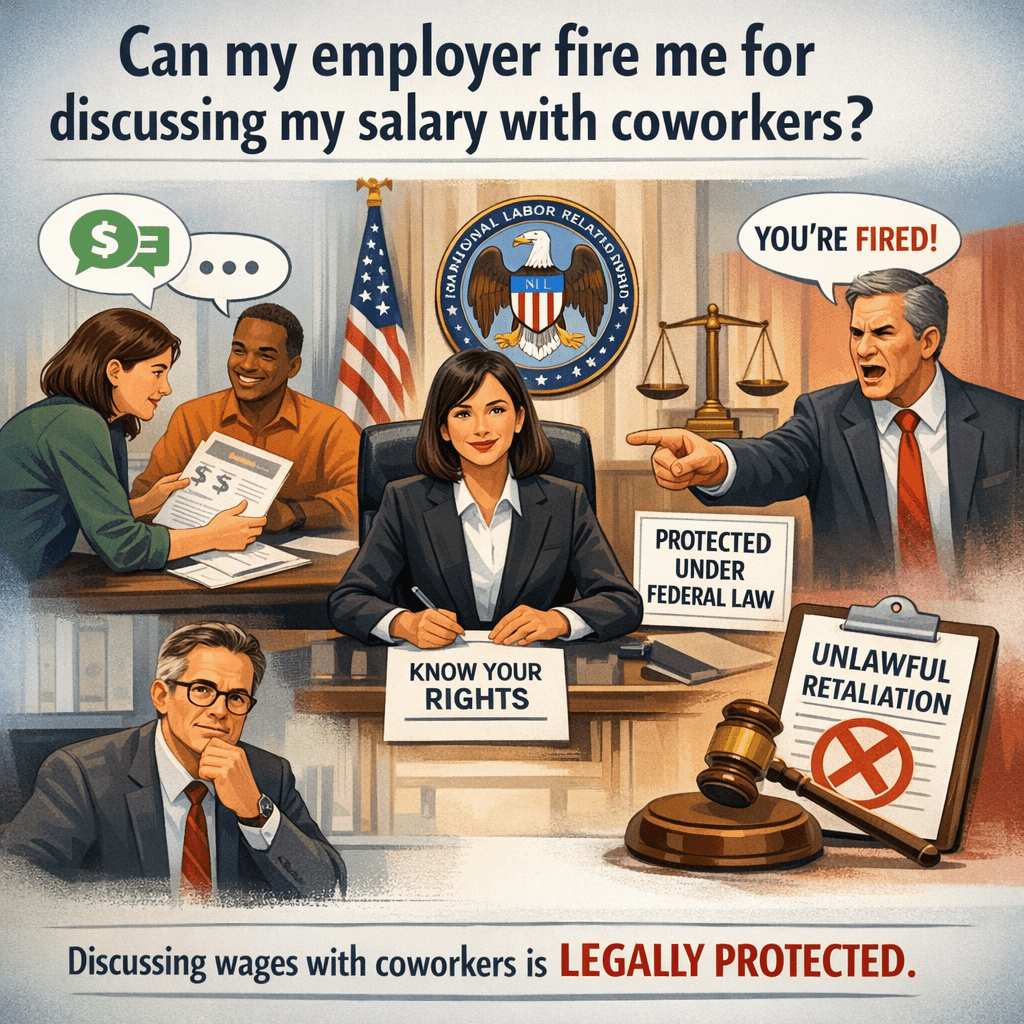
Talking about salaries with coworkers is a conversation that often feels like it’s shrouded in mystery and hesitation. You might wonder: “Can my employer fire me for discussing my salary with my colleagues?” This is a valid concern and a useful topic to explore, especially as conversations around pay transparency gain momentum. Let’s break it down into easy-to-understand pieces so you can feel more empowered in the workplace.
The Legal Backdrop
In many parts of the world, discussing salaries with coworkers is a topic that comes with cultural taboos, but legally, it’s often protected. In the U.S., the National Labor Relations Act (NLRA) is a federal law that grants employees the right to discuss their wages. It covers most non-supervisory employees working in the private sector. Essentially, this law recognizes “concerted activities,” which means you’re allowed to discuss your pay as part of a larger conversation about working conditions.
Why a Gag on Salary Talk?
Before we dive deeper, let’s consider why employers might discourage these conversations. Many companies might cite maintaining team harmony or avoiding jealousy as reasons why employees should keep their salaries hush-hush. However, discussing pay can also help uncover wage disparities and ensure fair treatment. Hence, it becomes clear why policies against discussing pay can be problematic and often illegal.
A Real-World Example
Imagine you’re working in a marketing team alongside Jane, your coworker. One day, as you casually chat about your weekend plans, the topic of salaries pops up. You discover that despite having similar job responsibilities, your paychecks are significantly different. This insight might help start a conversation with your employer about wage fairness.
In this context, the NLRA protects your conversation as a right to improve your working conditions. Firing someone for such discussions could be considered retaliatory and potentially illegal.
Know Your Rights (and Exceptions)
While the NLRA provides broad protections, it doesn’t apply universally. Government workers, supervisors, farmworkers, and independent contractors often fall outside the law’s jurisdiction. Furthermore, some states have additional laws that reinforce the right to discuss wages freely. For instance, California and New York have explicit laws prohibiting employers from retaliating against employees for discussing their pay.
Practical Tips to Navigate Pay Discussions
1. Know Your Grounds: Familiarize yourself with the NLRA and check your state’s specific laws. Understanding your legal rights is the first step in feeling confident about these discussions.
2. Navigating Company Policies: If your company policy prohibits discussing salaries, this policy might not be enforceable if you are protected under the NLRA. However, it’s wise to seek clarification or consult with HR about how they interpret this policy.
3. Be Mindful and Respectful: Approach conversations about pay with respect for your peers’ privacy. Some might prefer not to disclose their salary information, and that’s okay. Share only what you’re comfortable with, and ensure you’re in a safe environment to do so.
4. Educate Your Employer: If you face resistance or intimidation from talking about your salary, discussing the legal protections with your employer might help clarify misunderstandings.
5. Seek Support if Needed: If you believe you’ve been retaliated against for discussing your salary, consider consulting with a labor attorney or reaching out to the National Labor Relations Board (NLRB) for further guidance. They can provide the necessary support and legal advice.
Conclusion
Discussing salaries is a personal choice, yet it’s important to know you have the right to engage in such conversations without fear of losing your job. By understanding legal protections like the NLRA and your company’s stance, you can better navigate these discussions to potentially ensure fair workplace conditions. Remember, transparency can be a powerful tool in closing pay gaps and promoting fairness in the workplace.


