
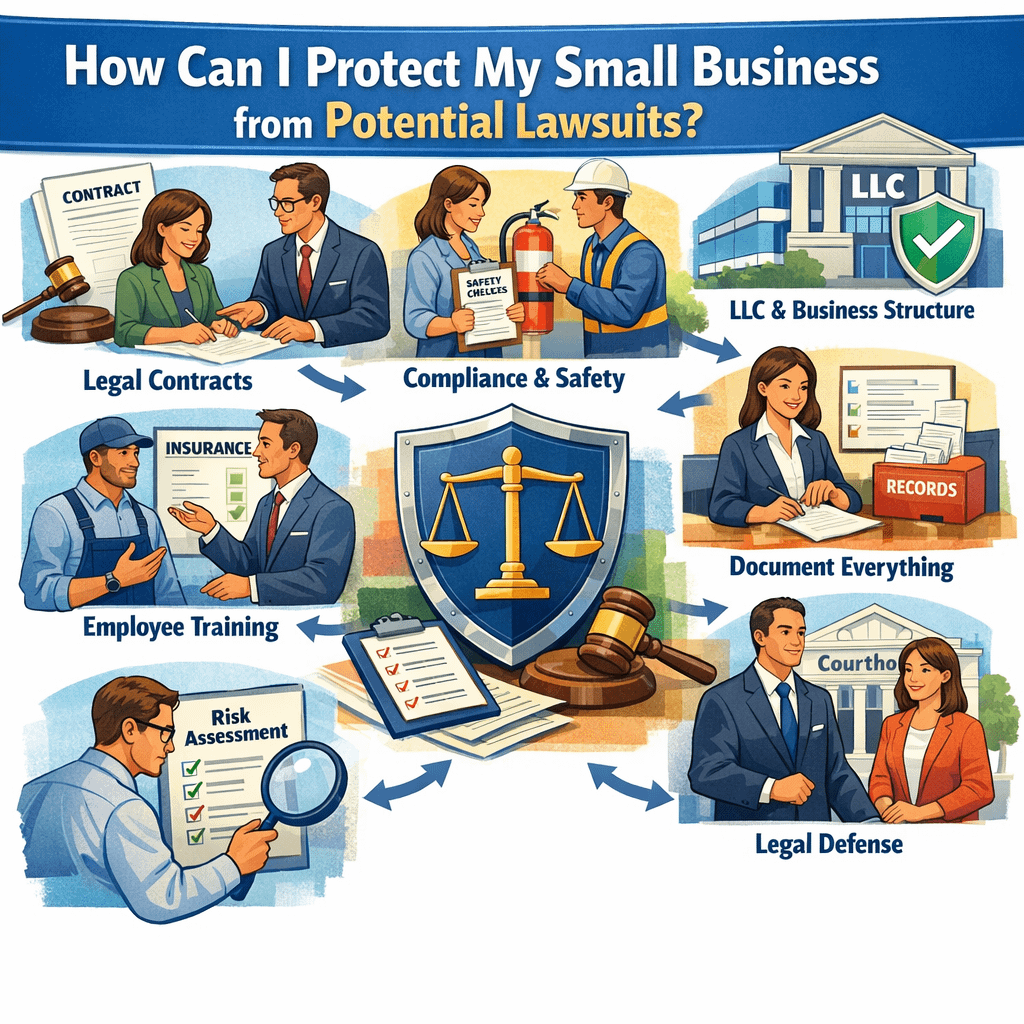
Running a small business can be incredibly rewarding, but it also brings its fair share of challenges. Among those, the possibility of facing a lawsuit is a concern that every business owner should take seriously. Lawsuits can arise suddenly and become costly in terms of both money and time. However, with some proactive steps, you can significantly reduce the risk of legal troubles. Let’s explore several straightforward strategies to help you protect your business from potential lawsuits.
1. Choose the Right Business Structure
Selecting the appropriate legal structure is a fundamental decision for any small business. Options include sole proprietorship, partnership, limited liability company (LLC), or corporation. Each comes with its own level of personal liability protection. For instance, forming an LLC or corporation can help shield your personal assets from business liabilities, meaning that if your business is sued, your personal property is generally protected. Consulting with a legal or financial advisor can help you choose the best structure for your circumstances.
2. Have a Lawyer on Your Team
You don’t need to keep a lawyer on retainer, but having an attorney who understands your business can be invaluable. This professional can assist with drafting and reviewing contracts, ensuring compliance with local regulations, or advising you on potential legal risks. In the event of a lawsuit, having someone who already knows the ins and outs of your business can save precious time and resources.
3. Keep Detailed Records
Maintaining accurate and comprehensive records is crucial. This includes contracts, emails, expense reports, tax filings, employee records, and details of business transactions. Good documentation can prove invaluable in defending against a lawsuit, showing that you acted properly and ethically in your business dealings.
4. Use Clear Contracts
Contracts are the lifeblood of business relationships. Whether dealing with suppliers, clients, or employees, ensure all agreements are in writing and clearly outline the scope of work, payment terms, deadlines, and any other relevant details. Avoid legal jargon and aim for simplicity to ensure all parties understand what they are signing. Using templates is a good start, but whenever possible, have an attorney review these documents.
5. Employee Practices and Policies
Establishing clear, fair, and lawful employment practices can help ward off lawsuits related to employment discrimination, harassment, or wrongful termination. Create an employee handbook that clearly outlines your company’s policies and procedures regarding workplace behavior, and ensure your team is familiar with it. Conduct regular training sessions on these policies to keep everyone aligned and aware.
6. Insurance Is Essential
Investing in the right insurance coverage is a practical way to mitigate potential losses from lawsuits. General liability insurance can protect against claims related to bodily injury or property damage, while professional liability insurance, or errors and omissions (E&O) insurance, can cover claims related to professional services. Depending on your industry, other specific insurance products might also be necessary.
7. Managing Customer Relations
Good customer service and clear communication can often defuse disputes before they escalate into legal problems. Respond to complaints quickly and constructively, and always strive to resolve issues amicably. Keeping an open and empathetic line of communication can often prevent minor misunderstandings from turning into major legal battles.
8. Staying Compliant
Regulatory compliance is another crucial area of risk management. Stay informed about the laws and regulations that apply to your particular industry. This includes health and safety regulations, data protection laws, and any specific local business ordinances. A periodic review or audit by a compliance professional can be a wise step to ensure that your business is operating within the law.
9. Use Mediation and Arbitration Clauses
Consider incorporating mediation or arbitration clauses into your contracts. These alternative dispute resolution (ADR) methods can be less time-consuming and expensive than going to court. Mediation involves a neutral third party helping the disputing parties reach a settlement, while arbitration is akin to a private court where an arbitrator makes a binding decision.
Remember, while it’s impossible to eliminate all risks entirely, these steps can help minimize your vulnerability to legal action and give you peace of mind to focus on growing your business. Taking these precautions is like setting a strong foundation for your business, ready to support and protect it as it thrives.


