
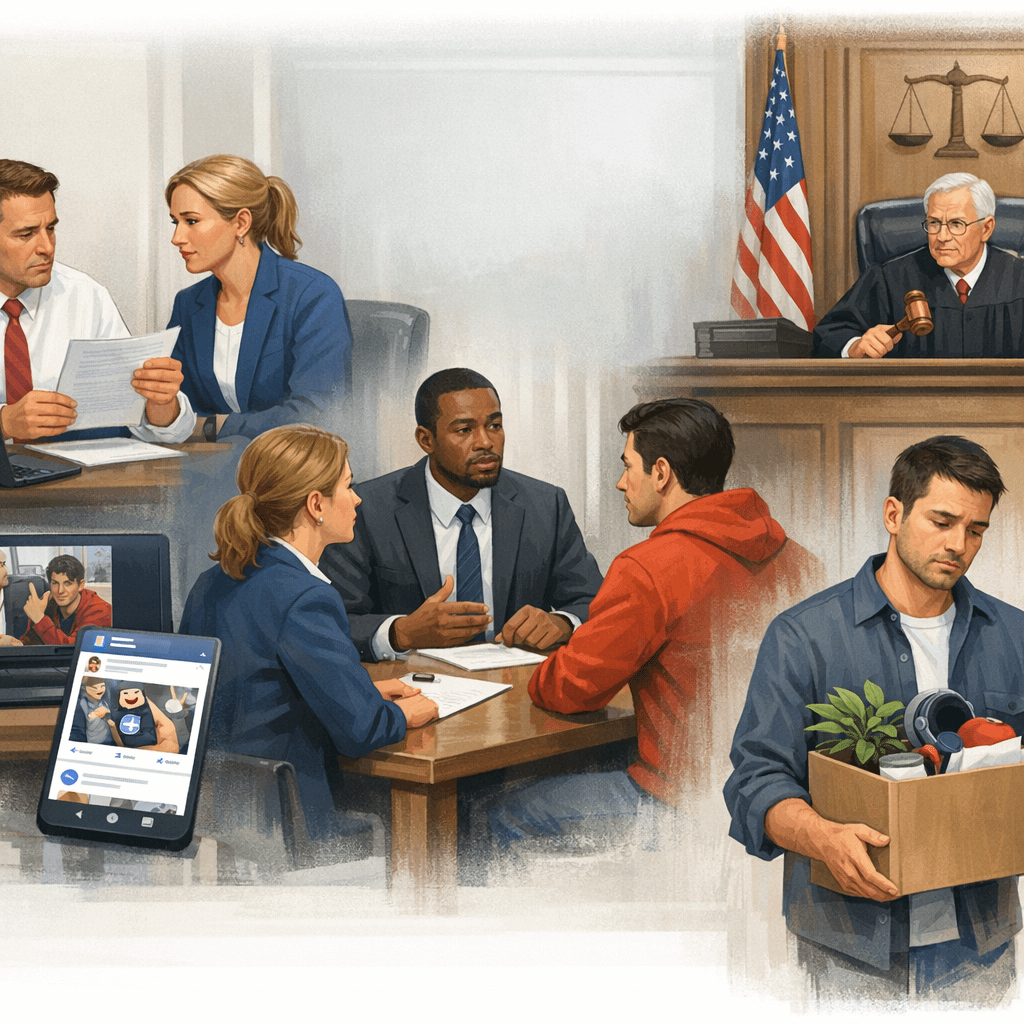
Social media is an almost inescapable part of our daily lives, with platforms like Facebook, Instagram, and Twitter providing spaces for people to share thoughts, ideas, and experiences. But what happens when an employee’s online presence collides with their professional world? Can you legally fire someone over their social media posts? Let’s explore the key points to consider when navigating this tricky intersection of free speech and employment law.
Understanding At-Will Employment
First, it’s important to understand the concept of “at-will” employment, which is standard in many places, including most U.S. states. At-will employment means that an employer can terminate an employee for any reason, or no reason at all, as long as it’s not illegal (like discrimination based on race, gender, etc.). Conversely, employees can also leave their jobs without reason or notice. However, even in an at-will environment, terminating an employee over social media posts may involve nuanced legal considerations.
Protected Activity and Free Speech
You might think, “What about freedom of speech?” In the U.S., the First Amendment protects individuals from government censorship, but it generally doesn’t apply to private employers. Therefore, if someone makes a controversial post on social media, a private employer may have more leeway in choosing to terminate that individual.
However, employees are still protected from retaliation based on certain forms of speech. For example:
1. Concerted Activity: Under the National Labor Relations Act (NLRA), employees have the right to engage in “concerted activities” for mutual aid or protection, which includes discussing work conditions online. Firing someone solely for discussing workplace conditions or wages online could be considered illegal.
2. Whistleblowing: Employees who expose illegal activities or safety violations within the company are often protected. If their social media post pertains to whistleblowing, termination might lead to legal challenges.
Offensive or Harmful Posts
Now, what if an employee’s social media post is deemed offensive, discriminatory, or harmful to your company’s reputation? Examples might include:
- Profane rants about the company or its clients.
- Racist or discriminatory comments that conflict with workplace culture.
- A post revealing company secrets or confidential information.
In these cases, you might be on firmer ground for termination, particularly if the employee’s post violates company policy or has a detrimental impact on your business.
Use of Clear Company Policies
One of the best practices for dealing with employee social media issues is to have a clear, comprehensive social media policy. This policy should outline what is permissible and what is not, providing clear examples. Make sure the policy is:
- Specific: Clearly state which types of posts can lead to disciplinary action.
- Fair and Consistent: Apply rules evenly across all employees to avoid claims of discrimination or unfair treatment.
- Communicated: Make sure all employees understand the policy, ideally as part of onboarding or regular training sessions.
Practical Tips
While navigating social media issues can be complex, here are some practical steps you can take:
- Document Everything: If you find a post problematic, document it and how it violates your policy.
- Communicate Directly: Before jumping to termination, consider having a frank discussion with the employee. They might be unaware of the impact of their actions.
- Consider Alternatives: Is there an opportunity for coaching or a warning instead of firing? Sometimes educating the employee can be beneficial both for them and your organization.
- Seek Legal Advice: When in doubt, especially with potentially contentious cases, consulting with a legal expert can help ensure you’re making decisions compliant with employment laws.
Ultimately, whether you can fire an employee over a social media post depends on a balance of employment laws, the specifics of the post, and your company’s policies. Taking a thorough, fair, and legally informed approach will help you make decisions that protect both your business and its employees.


