
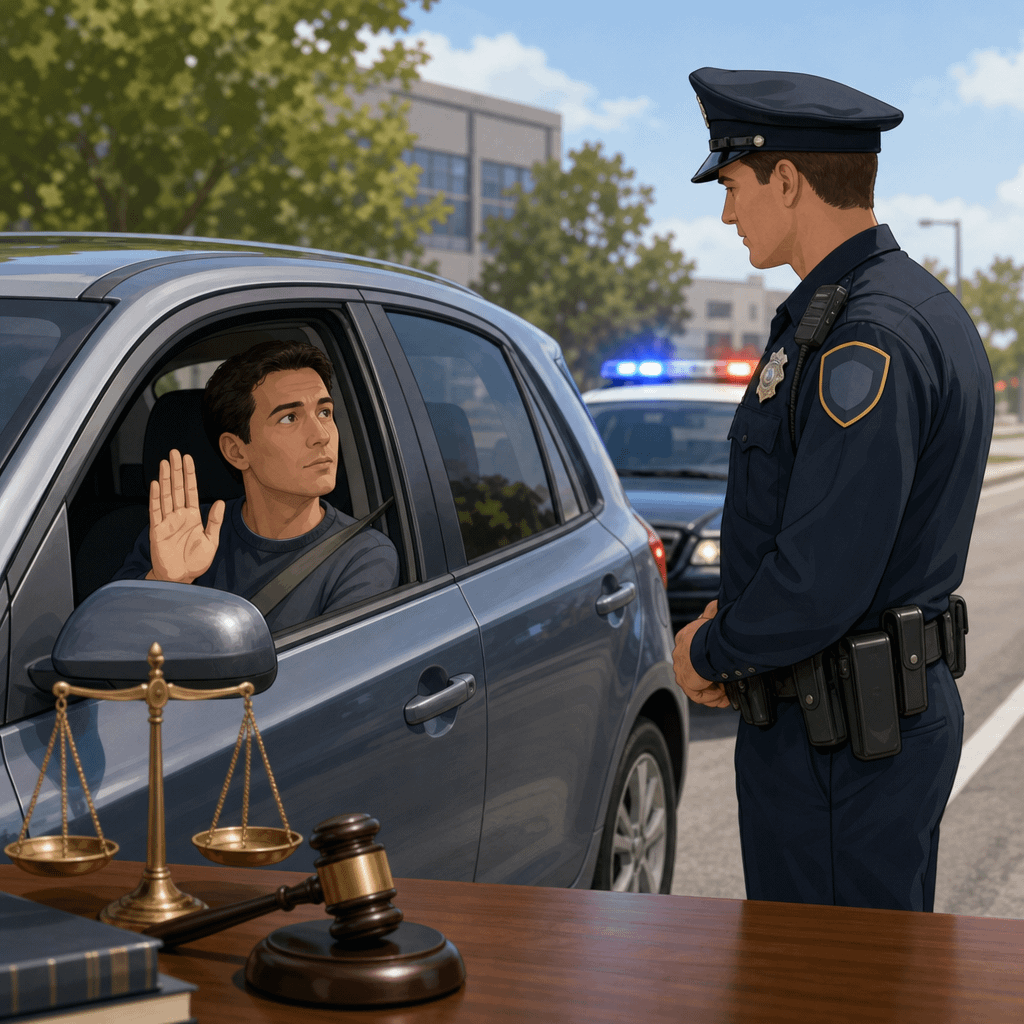
Knowing your rights during a traffic stop can be empowering, especially when it comes to searches of your vehicle. Imagine this scenario: you’re pulled over for a minor traffic violation, and the officer asks if they can search your car. What should you do? Can you say no, and what happens if you do? This article will walk you through the key points to understand and consider.
Firstly, it’s important to know that, yes, you can refuse a search of your vehicle during a traffic stop. The Fourth Amendment of the United States Constitution protects individuals from unreasonable searches and seizures. This right applies to traffic stops. However, there are some nuances and exceptions you’ll want to understand.
Consent is Key
The most straightforward way an officer might search your vehicle is by asking for your consent. If you agree, you’ve given them permission to proceed without needing further justification. However, you are within your rights to politely refuse. Saying something like, “I do not consent to a search,” clearly communicates your position.
Probable Cause and Searches
There are cases where an officer might search your car without your consent. One such situation is if they have “probable cause.” This legal term means they have a reasonable basis to believe there’s evidence of a crime in your vehicle. For example, if they see illegal substances or weapons in plain view, that might constitute probable cause.
Search Incident to Arrest
If you’re being arrested, officers may search your vehicle as part of the arrest process. For example, suppose you’re pulled over and arrested for driving under the influence. In that case, the officer might search your vehicle for open containers or other evidence related to the arrest. This is known as a Search Incident to Arrest and is generally allowed by law.
Vehicle Searches and Officer Safety
Another situation where a search might occur is for officer safety. If an officer has a reasonable belief that you might be dangerous or have a weapon, they might conduct a search. However, this belief must be backed by specific facts and circumstances.
The Role of a Warrant
Typically, if an officer doesn’t have your consent or probable cause, they would need a warrant to search your vehicle legally. Warrants are issued by a judge and provide legal authority for a search. However, obtaining a warrant during a routine traffic stop is rare due to time constraints and practicality.
Practical Tips for Handling a Search Request
- Remain Calm and Respectful: Encounters with law enforcement can be stressful, but staying calm and respectful can help the situation from escalating.
- Know Your Rights: Firmly but politely stating, “I do not consent to a search,” is your legal right and should be communicated clearly.
- Ask Questions: If an officer insists on searching your vehicle without consent, ask them, “What is your probable cause?” This can help clarify the situation.
- Do Not Interfere: Physically blocking a search after you’ve stated your non-consent could lead to legal issues. Your verbal refusal should suffice.
Learning From Examples
Consider the following example: A driver is stopped for a broken taillight. During the stop, the officer asks if they can look through the driver’s bag, sitting on the passenger seat. The driver, uncertain but aware of their rights, politely declines. Without probable cause or a warrant, the officer respects this refusal and tickets the driver for the taillight, allowing them to go without further search.
Knowing this information can prepare you for instances where understanding and asserting your rights is crucial. This is important not only for maintaining your right to privacy but also for ensuring law enforcement conducts itself within legal boundaries. Remember that, while you may refuse a search, every situation is different and will depend on the specific circumstances at hand. Staying informed is your best defense.


