
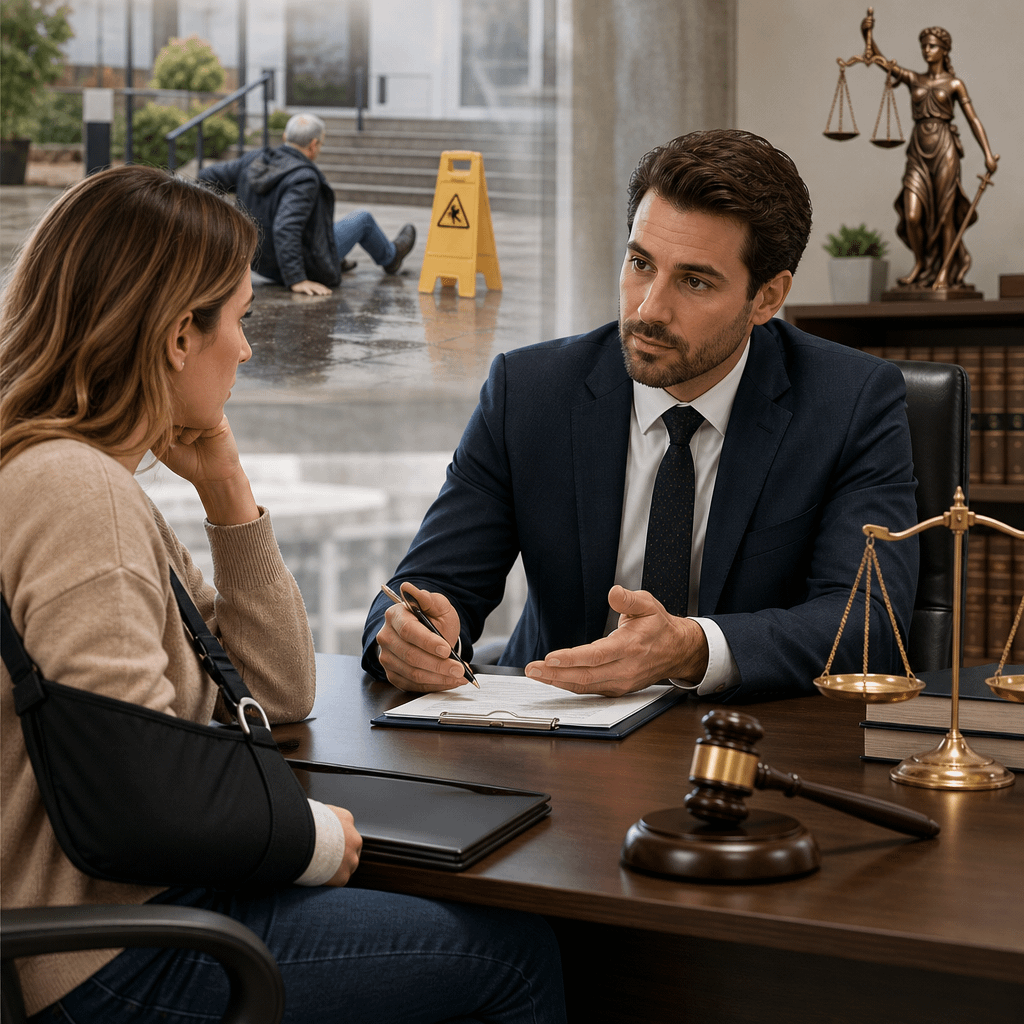
If you’ve ever slipped on a wet supermarket floor, tripped over a loose tile in a friend’s home, or had an accident while visiting someone else’s property, you might have wondered whether you can claim compensation for your injuries. The answer often depends on several key factors, including the property owner’s responsibility and the circumstances of your injury. Let’s delve into the essentials of what you need to know about claiming compensation for injuries on someone else’s property.
Understanding Premises Liability
In legal terms, the responsibility of property owners towards visitors is referred to as “premises liability.” This means property owners (or occupiers) have a duty to maintain a reasonably safe environment for people who are legally on their property. If they fail in this duty, and someone is injured as a result, the injured party may have the right to seek compensation.
Determine Your Visitor Status
The first step in assessing whether you can claim compensation is to understand your status as a visitor:
1. Invitees: This includes customers in a store or guests in a hotel. Property owners owe the highest duty of care to invitees and must actively ensure the premises are safe.
2. Licensees: These are people who enter the property for their own purpose, such as a social guest. The duty here is to warn about or make safe any non-obvious dangers that the owner knows about.
3. Trespassers: Individuals who enter the property without permission generally have the least protection, though property owners cannot willfully harm them.
Proving Negligence
To successfully claim compensation, you typically need to prove that the property owner’s negligence led to your injury. This requires showing:
- The owner knew or should have known about the dangerous condition.
- They failed to fix the condition or provide a warning within a reasonable time.
- You suffered an injury because of this negligence.
For instance, if you slipped on a freshly mopped floor in a store without a warning sign, this might be considered negligence because the store didn’t adequately inform patrons of the hazard.
Document Everything
If you’re injured on someone else’s property, documentation is key. Here’s what you should consider doing:
1. Report the Incident: Immediately notify the property owner or manager about your injury and file an incident report.
2. Gather Evidence: Take photos of the accident scene, including any hazards that caused your injury. This could be crucial if the condition is fixed afterwards.
3. Seek Medical Attention: Even if injuries seem minor, get medical help. Medical records can support your claim by showing the extent of your injuries.
4. Collect Witness Information: If anyone saw your accident, their testimonies can strengthen your case.
Reach Out for Legal Help
Navigating a premises liability claim can be complex. While you can handle some straightforward cases on your own, such as minor injuries with clear evidence of negligence, more complicated situations might benefit from legal expertise. A lawyer specializing in personal injury can help assess the strength of your case, negotiate with insurance companies, and ensure you receive fair compensation.
Example Scenarios
Imagine you’re visiting a friend who just moved into a new apartment. While exploring the balcony, you notice a loose railing that suddenly gives way, causing you to fall. Your friend was aware of the problem but had not yet informed the landlord. In this scenario, both your friend and the landlord might be responsible for your injuries, given that the potential hazard was known but left unaddressed.
Final Thoughts
Being injured on someone else’s property doesn’t automatically entitle you to compensation; it largely depends on proving negligence and understanding your rights. Always look for signs of negligent maintenance or other hazards and remember that injury claims can be intricate and varied depending on the situation.
Whether dealing with medical expenses, lost wages, or emotional distress, seeking compensation should be about getting back what you’ve lost due to someone else’s oversight or negligence. So, stay informed, document meticulously, and don’t hesitate to seek legal advice when necessary.


