
Visiting a friend’s house is typically a relaxing experience, but what happens if you trip over, say, a loose floorboard or an unexpected step and get injured? Suddenly, you find yourself worrying not only about your recovery but also about the potential costs involved. Here’s a breakdown of what you should know if you find yourself in such an unfortunate scenario and are considering claiming compensation for your injuries.
The Basics of Premises Liability
To understand your rights in this situation, it helps to know a bit about “premises liability.” This legal concept refers to the responsibility that property owners have to maintain a safe environment for visitors. If an injury occurs due to a dangerous condition that the homeowner knew—or should have reasonably known—about, the injured party may have grounds to claim compensation.
Whether you can successfully claim compensation depends on several factors, including the nature of your relationship with the homeowner and the circumstances of your accident.
Were You an “Invitee” or a “Licensee”?
When it comes to premises liability, visitors are generally categorized as invitees or licensees. As an invitee—usually someone visiting for business reasons—the property owner owes you a high level of care. However, in most casual friend visits, you’re considered a licensee, which slightly lowers the property owner’s duty to ensure safety. Still, they must warn you of known, non-obvious dangers.
For example, imagine visiting your friend for a barbecue. If they neglected to fix a loose garden step, and you tripped and broke your ankle, you might be able to claim compensation—assuming they were aware of the hazard but failed to inform you.
The Importance of Insurance
Homeowners’ insurance typically covers accidents that happen on residential premises. So if your friend has such an insurance policy, it could be possible to make a claim to cover your medical expenses and other related costs.
Most homeowners won’t be left personally liable, as these policies generally protect them in personal injury claims. They might not even face increased premiums for the first couple of claims, depending on their insurance. It’s a good idea to communicate openly with your friend to see if their policy covers your accident—it’s less personal when the claim is directed toward an insurance company, not your friend directly.
Documenting Your Injury
To bolster a potential claim, thorough documentation is essential. This includes:
1. Photos and Videos: Capture images or videos of the accident area and any hazards that caused your injury. 2. Witness Statements: If there were other people present who can support your account of events, their statements could be valuable. 3. Medical Records: Seek medical attention immediately and keep detailed records of your injuries and treatments.
This evidence will be crucial in proving that the homeowner’s negligence led to your injury.
Practical Advice and Considerations
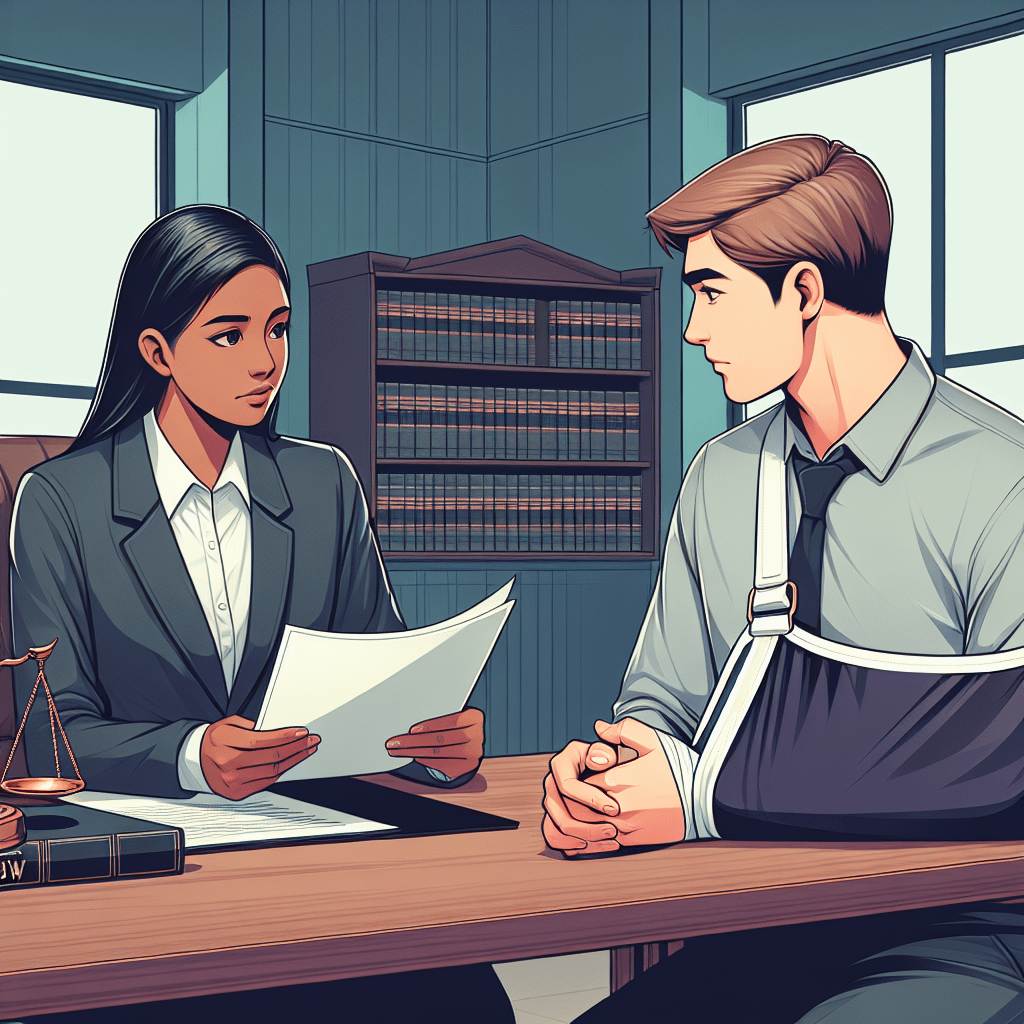
- Consult a Lawyer: Before making any decisions, it’s wise to seek legal advice. A lawyer can help assess the strength of your case and explain the legal process of filing a claim.
- Communicate with Your Friend: Addressing a friend’s possible negligence can be awkward. Be honest but diplomatic, focusing on the incident rather than blame.
- Consider Mediation: If you and your friend want to settle the matter without resorting to a formal claim, mediation is an option. It can facilitate an amicable resolution, with a neutral mediator helping parties agree on compensation.
Is Filing a Claim Worth It?
Deciding whether to file a claim often depends on the severity of the injury and the financial impact. If your injuries are minor and you can cover the costs without financial strain, you might opt to handle things privately. However, serious injuries that rack up costly medical bills may necessitate a formal compensation claim.
In the end, when accidents happen at a friend’s house, legal routes are available to ensure you’re not burdened with expenses arising from someone else’s oversight. How you proceed requires balancing your need for compensation with maintaining your relationship with your friend. Keep communication open, prioritize recovery, and seek professional advice to navigate this sensitive process successfully.


