
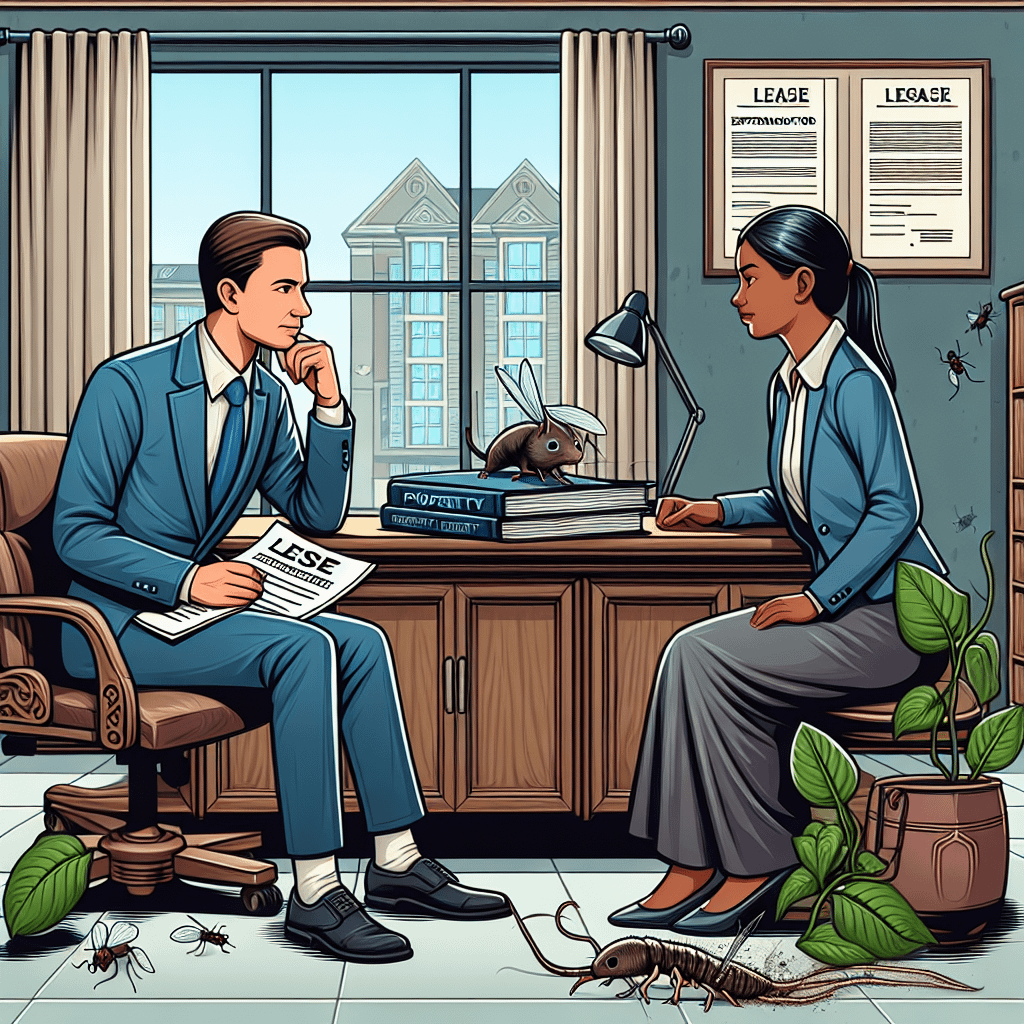
Finding uninvited critters in your home can be unsettling, not to mention a potential health risk. If you’re facing a pest infestation in your leased home or apartment, you might wonder whether this is a valid reason for breaking your lease. Let’s unpack the essentials, so you understand your options and rights as a tenant.
Understanding the Basics
A lease is a legally binding contract between you and your landlord, detailing mutual obligations, including rent payments, property maintenance, and other responsibilities. One critical obligation landlords generally undertake is ensuring that rented properties are habitable, often referred to as the “implied warranty of habitability.” This legal concept ensures that rented dwellings are safe, healthy places to live—which, as you might guess, includes being reasonably pest-free.
When Pests Become a Lease Issue
Pest problems, like roaches, bedbugs, or rodents, can make a home uninhabitable. But, simply seeing a cockroach doesn’t usually allow you to break a lease instantly. You’ll need to consider:
1. Severity and Persistence: One ant sighting isn’t the same as a full-blown infestation. Courts often look at the severity and how long the issue persists.
2. Communication with Your Landlord: Before thinking about leaving, you should notify your landlord about the infestation. Preferably, do this in writing for a clear record, describing the problem and asking for resolution.
3. Landlord’s Response: Landlords typically have a reasonable amount of time to address the issue. What’s considered “reasonable” can vary, but generally, they should act promptly, which might mean hiring a professional exterminator.
Legal Grounds to Break a Lease
If the pest problem is severe and your landlord fails to address it adequately, the infestation might become a legal reason to break your lease. Here’s how this might unfold:
- Breach of Habitability: If your landlord does not remedy the infestation after being notified, they might be breaching their responsibility to provide habitable conditions. This could provide a legal ground for lease termination.
- Constructive Eviction: This occurs when your living conditions are so poor it’s as if you’re being “evicted,” even though the landlord hasn’t formally asked you to leave. To claim constructive eviction, typically, you must vacate the premises—though consulting a lawyer before doing this is wise to understand possible risks and consequences.
Steps to Take if You Decide to Break Your Lease
If you determine breaking the lease is necessary, follow these steps to protect yourself legally:
1. Document Everything: Keep a detailed record of the infestation, communications with the landlord, and reports from pest control services. Photos and videos can be helpful evidence.
2. Notice in Writing: If you decide the situation warrants breaking the lease, notify your landlord in writing. Clearly state your reasons and reference any previous communications and lack of adequate response.
3. Follow Local Laws: Some places have specific procedures you must follow to legally break a lease. Understanding local tenant laws will guide you on the correct protocol.
4. Consider Mediation or Legal Advice: Before leaving, you might try mediation with the landlord, which can sometimes resolve disputes without court. If the situation is particularly complex, consulting a tenant lawyer can clarify your rights and risks.
Practical Tips for Tenants
- Know Your Lease: Read your lease agreement to understand what it says about maintenance responsibilities and pest issues. Some leases will outline specific processes for reporting and resolving such problems.
- Use Rental Support Resources: Many cities have tenants’ rights organizations that offer free assistance and advice. They can be invaluable allies in understanding your options.
- Take Preventative Measures: While not always possible, taking routine preventative steps, like keeping food sealed and disposing of trash properly, can help manage minor pest issues.
Managing a pest infestation when you’re trying to live peacefully is undoubtedly stressful, but knowing your rights and responsibilities can empower you to address the situation effectively. Remember, ensuring you’re informed and documenting everything thoroughly will help you make the best decision for your health and well-being.


