Finding yourself stuck in a rental with a landlord who shrugs off their responsibilities can be frustrating, especially when it comes to making necessary repairs. The good news is that the law is often on your side in these situations. Let’s unravel the steps you can take and understand whether you can legally break a lease if your landlord isn’t holding up their end of the bargain.
Understanding Your Rights and Responsibilities
First, it’s essential to know that almost every state in the U.S. has laws requiring landlords to provide a “habitable” living environment. This means your home should be safe and liveable, with basics like heat, running water, and secure structural elements such as a roof and doors in good repair. This legal principle is usually referred to as the “implied warranty of habitability.”
When Repairs Aren’t Made: Your Options
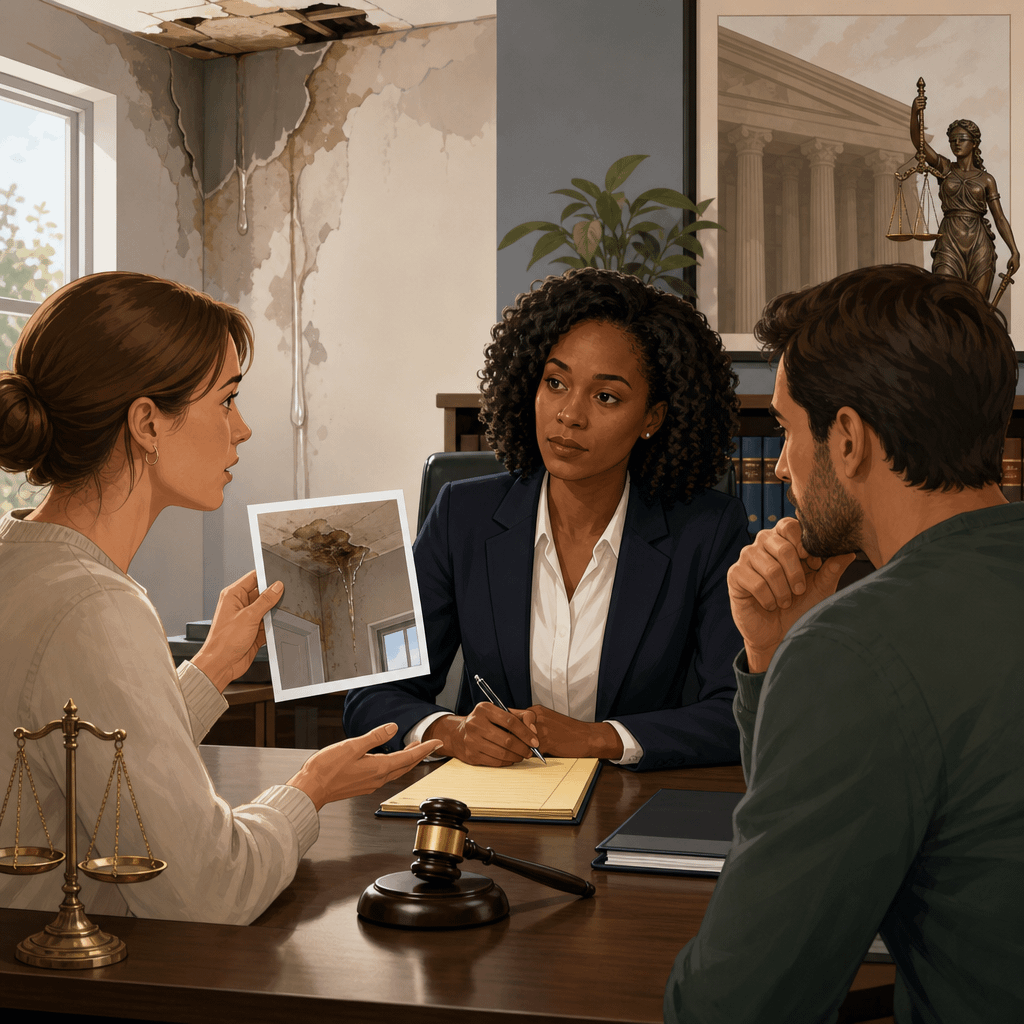
If your landlord isn’t making necessary repairs, the first step is to ensure that these repairs fall under what can be considered necessary or critical to your living situation. Small issues, like a dripping faucet, might not count. Examples of necessary repairs could include fixing a broken heater in winter, ensuring plumbing functions properly, or addressing severe mold issues.
Key Steps to Take
1. Document Everything
Before taking significant actions, document all issues and communications with your landlord. Take photos of damages and keep copies of all repair requests you’ve sent, plus any responses from your landlord.
2. Notify Your Landlord in Writing
Send a written request to your landlord detailing needed repairs and why these are crucial, preferably via certified mail. Be specific and clear about how the issue affects your living conditions.
3. Use Local Resources
Some municipalities have tenant-landlord resources or inspectors who can assess the living conditions and pressure landlords to make repairs. Local tenant advocacy groups can also provide guidance and support.
Legal Actions You Can Consider
1. Repair and Deduct
In many states, if a landlord fails to make necessary repairs within a reasonable timeframe after notification, tenants may have the option to hire someone to make the repairs and deduct the cost from their rent. Note that this action comes with risks and should be executed with caution—check your state’s specific laws to see if this applies.
2. Withhold Rent
Some jurisdictions allow tenants to withhold rent until repairs are made. Again, this can be risky because if the court later finds that the repairs were not necessary or you didn’t follow proper procedures, you could face eviction for non-payment. Legal advice is recommended if considering this option.
3. Breaking the Lease
Here’s the crux—when the landlord fails to maintain a habitable property, you might have legal grounds to break your lease without penalty. Most states require that you give your landlord adequate notice and a chance to make repairs. If the issues remain unresolved after documented attempts, breaking the lease may become a viable legal option.
Practical Tips
- Consult Your Lease: Always check what your lease says about repairs and your landlord’s obligations. There might be clauses that specify procedures for handling repair disputes.
- Seek Legal Advice: Each state has different laws regarding tenant rights. A local attorney or tenant’s rights organization can offer advice tailored to your situation.
- Understand Potential Consequences: Breaking a lease could affect your credit score or rental history, so balance these considerations against the benefits.
Final Thoughts
Dealing with property maintenance issues can be daunting, but knowing your rights and options can empower you. Always prioritize communication and documentation—clear evidence and proper notice can support you in any legal proceedings. Remember, while taking action can be intimidating, maintaining a safe and healthy living environment is your legal right.


