
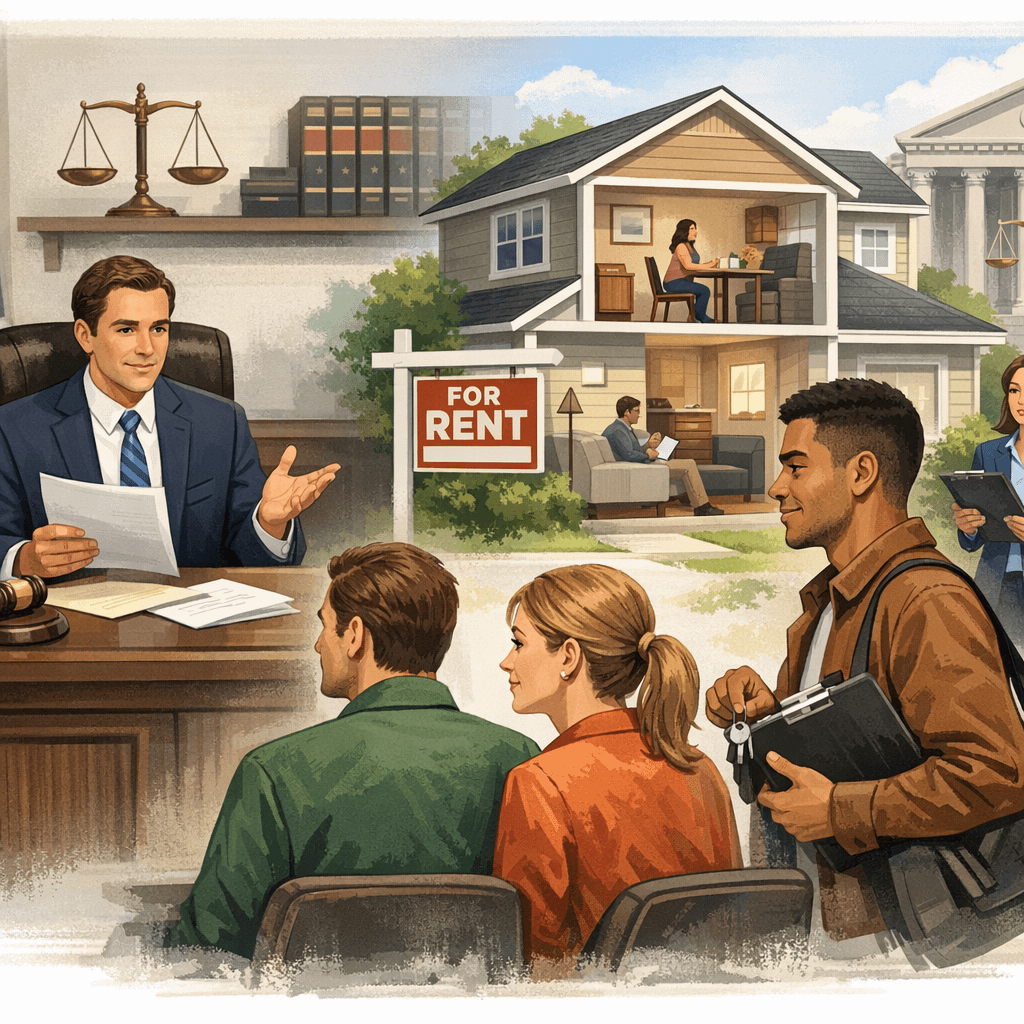
If you’ve ever considered becoming a landlord by renting out a portion of your property, you’re not alone! Many homeowners explore this option as a way to earn extra income or make better use of their space. But before you set up that perfect rental space, it’s essential to understand the legal side of things. Here’s what you need to know to get started without running into trouble.
1. Check Local Zoning Laws
First things first: find out if your property is zoned for rental use. Zoning laws are local government regulations that dictate how land in different areas can be used. Even if you own your home, these laws could restrict you from renting out part of it. You can check with your city or county zoning office or visit their website to see what’s allowed in your area.
Case Example: Imagine you live in a suburban neighborhood zoned for single-family homes. While this typically means you can’t have multiple residences on one lot, some areas provide exceptions for what’s known as “accessory dwelling units” (ADUs), like a basement apartment. Knowing your zoning laws can clarify what changes or permissions might be necessary.
2. Look Into Homeowners Association (HOA) Rules
If your home is in a planned community governed by an HOA, you’ll need to review their rules. HOAs often have specific restrictions regarding rentals, including who can be tenants, how long you can rent for, or if there’s a cap on the number of homes that can be rented at any given time.
Practical Tip: Contact your HOA’s board or read the rules listed in your community’s covenants, conditions, and restrictions (CC&Rs) document.
3. Obtain Necessary Permits and Reviews
Some municipalities require landlords to obtain permits before renting out their property. This can include safety inspections to ensure the space meets building codes and health standards, such as having adequate exits in case of an emergency.
Real-Life Scenario: If you plan to rent out your basement, local building codes might require you to install an egress window in every basement bedroom for fire safety.
4. Understand Your Legal Responsibilities as a Landlord
Once you decide to rent out your space, you officially become a landlord, which comes with specific legal responsibilities. These responsibilities can vary by state or region, but common ones include:
- Providing a habitable environment: You must ensure the rental area is safe and liveable, with working plumbing, electricity, and heat.
- Respecting privacy: You usually need to give tenants reasonable notice before entering for inspections or repairs.
- Handling deposits: Laws often dictate how you must manage security deposits, including where they are held and how quickly you must return them after a tenant moves out.
5. Create a Lease Agreement
A clear, well-drafted lease agreement is a must-have. This document should outline everything from rent terms and payment schedules to rules about smoking, pets, and subleasing. It’s crucial to ensure this agreement complies with local landlord-tenant laws. Websites such as NOLO provide templates, but consider having a lawyer review your lease to safeguard your interests and ensure legal compliance.
6. Consider Tax Implications
Renting out part of your home influences your taxes. Rent payments are considered income, and you will need to report this to the IRS. However, it also means you might qualify for deductions on expenses like repairs or maintenance in the rented space. Consulting a tax professional can help you navigate these waters.
Helpful Hint: Keeping detailed records of all rental income and expenses can simplify tax time and help ensure you’re taking advantage of available deductions.
Renting out a portion of your home can be rewarding, both financially and personally. However, entering this venture informed and prepared by ticking off this checklist can help prevent headaches down the line. Happy renting, and may your adventures in landlordship bring success and satisfaction!


