
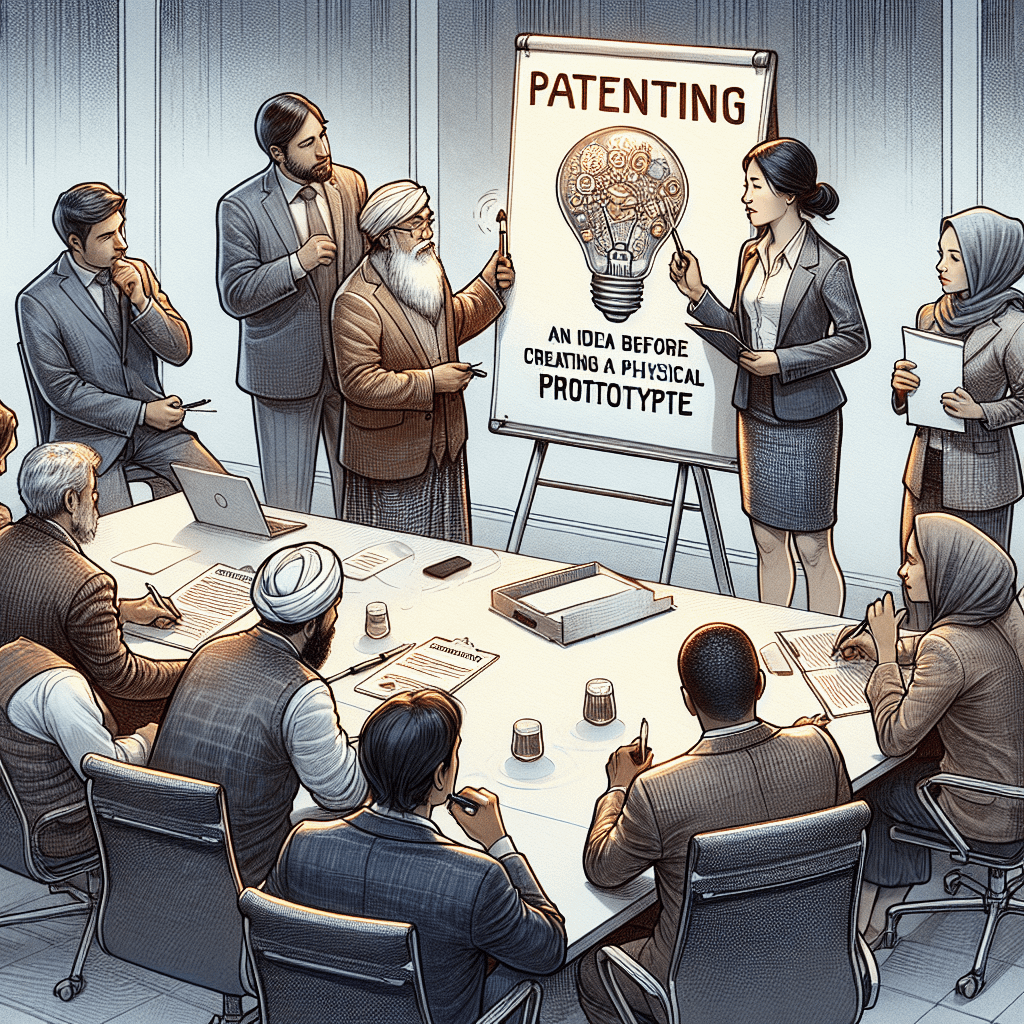
Have you ever come up with a brilliant idea and wondered if you could patent it, even before making a physical prototype? You’re not alone! Many inventors grapple with this question, eager to protect their innovations before they bring them to life. Let’s delve into whether you can patent an idea before it becomes a tangible object and what steps you can take to safeguard your creativity.
Understanding the Basics of Patents
A patent is a legal right granted by the government that gives an inventor the exclusive right to make, use, and sell their invention for a certain number of years. The idea is to encourage innovation by allowing inventors to benefit from their inventions without the fear of others copying them.
Can You Patent an Idea?
Unfortunately, the short answer is no—you cannot patent an idea alone. According to U.S. patent law, an invention must be “useful, novel, and non-obvious” to be patentable, and it must also be sufficiently concrete. Simply having an idea is not enough. However, where things get interesting is how you can go about patenting an invention that stems from your idea.
The Concept of “Reduction to Practice”
In the patent world, there’s an important concept called “reduction to practice.” This means you have to demonstrate that your idea can work in the real world. This doesn’t necessarily mean you need a physical prototype, but you do need a detailed description of how your invention works. This can be achieved through what’s called a “constructive reduction to practice,” which is accomplished by filing a thorough and well-drafted patent application.
File a Provisional Patent Application
If you’re not ready to file a full patent application (also known as a non-provisional application), consider a provisional patent application. This gives you a foot in the door and establishes an early filing date. It’s less formal and allows you to use the term “patent pending,” which can deter potential copycats.
A provisional patent doesn’t require you to include claims, which are the legal backbone of your patent, or an oath or declaration. However, your provisional application should still include a detailed description and any relevant drawings that adequately convey the idea. Be cautious: your provisional application won’t protect parts of your invention that aren’t fully described, so thoroughness is key.
Why a Detailed Description is Vital
When filing a provisional patent application, the more detailed your invention description, the better your chances of securing robust protection later on. You’re setting the stage for the non-provisional application, where you’ll need to describe every component of your invention in precise detail. Include drawings, diagrams, and any data that can help illustrate your invention. Remember, the description should allow someone skilled in your invention’s field to reproduce it.
Examining Case Examples
Consider this scenario: you have an idea for a new kitchen gadget—say, a multi-functional cooking tool that not only chops ingredients but also blends them. Describe each component meticulously, how they interact, and how this tool will operate. While you don’t need to build a prototype to apply for a patent, sketching detailed diagrams and writing a comprehensive explanation will fortify your application.
Seeking Professional Guidance
Navigating the patent world can be complex, especially if you’re unfamiliar with it. It might be beneficial to consult with a patent attorney or agent who can help ensure your application meets all requirements and effectively establishes the novelty of your invention. They can offer guidance on patent searches, help refine descriptions, and provide insights into drafting strong claims.
Bringing It All Together
In conclusion, while you cannot patent a mere idea, you can protect yourself by crafting a well-prepared patent application that showcases the practical implementation of your inventive concept. Getting a head start with a provisional application, focusing on detailed descriptions, and seeking professional advice will all strengthen your ability to turn your great idea into a patented invention.
By following these steps, you can confidently move from the imaginative stages to holding a patent that secures your innovative work. Happy inventing!


