
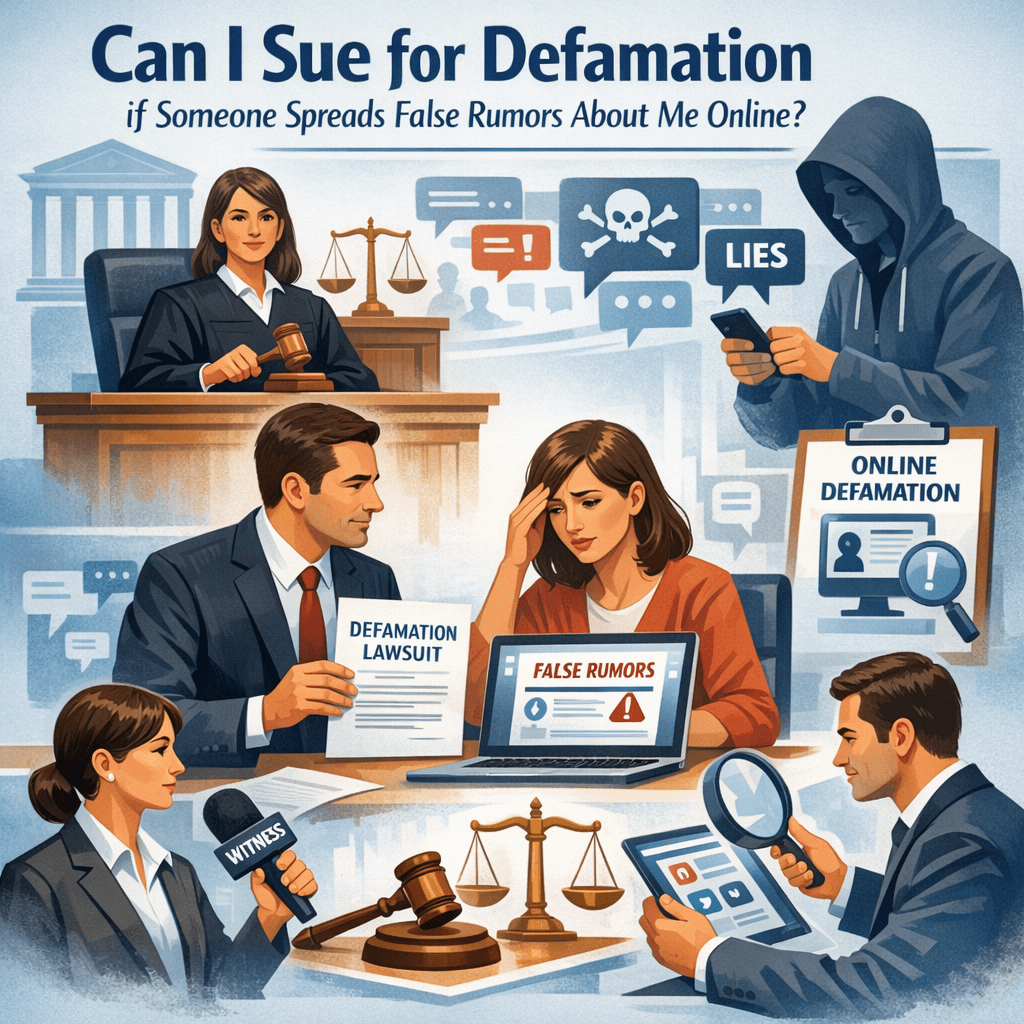
Imagine this: you’re scrolling through social media and suddenly come across a post about yourself. Except, the words staring back are false and potentially harmful to your reputation. Anger, confusion, and frustration kick in. What can you do? Can you sue for defamation if someone spreads false rumors about you online? Let’s dive into this tricky territory and see how the law can protect you.
Understanding Defamation
First things first, defamation refers to any false statement presented as a fact that injures a person’s reputation. It’s divided into two categories: libel (written defamation) and slander (spoken defamation). Online defamation, which often takes the form of libel, involves false and damaging statements published on the internet.
To successfully sue for defamation, you typically need to prove four key elements:
1. False Statement: The statement in question must be false. If what is being said about you is true, it cannot be defamatory no matter how damaging or embarrassing it might be.
2. Published Statement: The false statement must have been published or communicated to at least one other person besides you.
3. Injury to Reputation: The statement must have caused harm to your reputation, leading to damages like emotional distress, loss of job, or social isolation.
4. Fault: For public figures or matters of public concern, there is an additional requirement to prove “actual malice,” meaning the person spreading the rumor knew it was false or was reckless in verifying the truth.
A Real-Life Example
Consider the scenario of a local business owner, Laura, who finds a social media post accusing her of illegal business practices. This claim spreads among her peers and customers, impacting her sales and reputation. If Laura can demonstrate that these statements are false, that they were published and caused harm to her business, and if applicable, that the poster acted with actual malice, she may have a defamation case.
Steps You Can Take
If you find yourself in a similar situation, here’s a practical guide to consider before rushing to the courthouse:
1. Gather Evidence: Start by collecting evidence of the defamatory statement, such as screenshots, links to the posts, and any communications that reference the rumor.
2. Assess the Impact: Document how these false statements have affected your life or business. Have they led to a tangible loss, such as withdrawal of social invitations or loss of business?
3. Contact the Individual: Sometimes, a simple request for the offending party to remove the post or issue a correction can resolve the issue without legal intervention.
4. Seek Legal Advice: If the impact is significant and informal resolution fails, consulting with a defamation lawyer can help you understand your legal options. They can assess the strength of your case and guide you through the process.
5. Consider the Costs: Legal action can be expensive and time-consuming. It’s crucial to weigh the potential benefits against the cost of pursuing a lawsuit.
Defenses Against Defamation
It’s also worthwhile to understand common defenses against defamation, which include:
- Truth: If the defendant can prove the statement is true, defamation claims generally fail.
- Opinion: Statements that clearly appear as opinion rather than fact may be protected, especially when addressing matters of public interest.
- Privilege: Certain statements made in specific contexts, such as during court proceedings, are protected under absolute or qualified privilege.
Final Thoughts
Navigating defamation claims, especially online, can be as puzzling as a detective mystery. The key is understanding your rights and the necessary elements to prove defamation. Carefully considering the practical steps and defenses will help you decide the best path to protect your reputation. When in doubt, reach out to a legal professional who can help you untangle the web of misinformation and guide you toward resolution. Remember, while the internet can be a wild frontier, you are not without recourse when facing false and damaging rumors.


