In today’s digital age, social media serves as a critical hub for communication and interaction. However, it can also be a hotbed for misinformation and personal attacks. If you’ve found yourself on the receiving end of false statements on social media, you might be wondering if you can take legal action for defamation. Let’s break down this issue in simple terms and explore whether you can sue someone for defamation if they’ve lied about you online.
What is Defamation?
Defamation involves making a false statement about someone to a third party that damages their reputation. It generally falls into two categories:
- Libel: Written defamation, which includes harmful statements published in articles, online posts, or any written medium.
- Slander: Spoken defamation, such as false statements made during a speech or over a video stream.
When dealing with social media, we’re typically talking about libel, since the harmful remarks are written and shared online.
Elements of a Defamation Case
To successfully sue for defamation, you usually need to prove several key elements:
1. False Statement: The statement made must be false. Truth is a defense against defamation, so if the accusation is true, defamation hasn’t occurred.
2. Publication: The statement must be communicated to at least one person other than you. Posting on social media often fulfills this requirement automatically since the platform is designed for sharing.
3. Injury: The false statement must cause some form of harm, typically to your reputation. This harm can include damage to professional standing, lost business opportunities, or emotional distress.
4. Fault: The person who made the statement did so with negligence or malicious intent. Public figures need to prove “actual malice,” meaning the statement was made knowing it was false or with reckless disregard for the truth.
Real-World Example
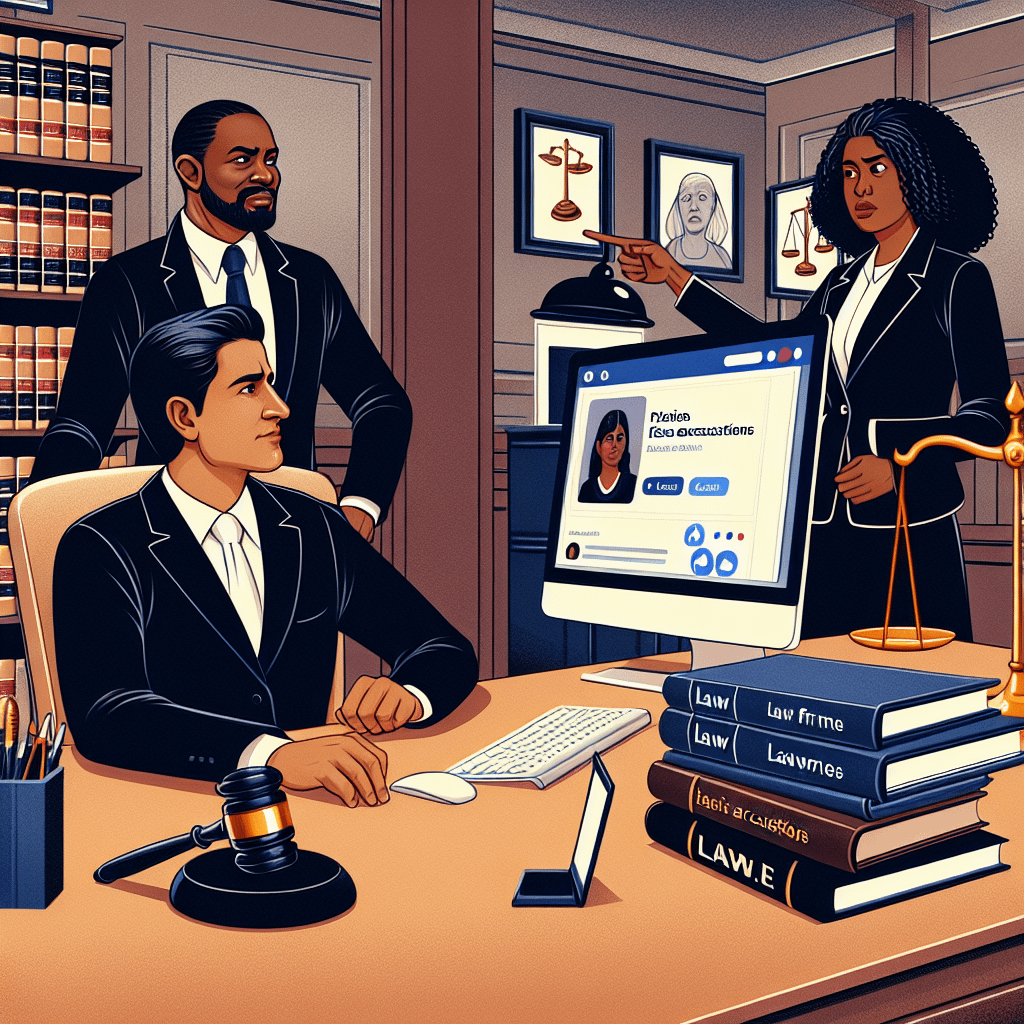
Imagine a scenario where someone writes a Facebook post falsely claiming you were fired from your job for embezzlement. The post is shared widely and seen by your colleagues and potential employers. As a result, you lose a job offer and suffer from significant reputational damage. This situation might meet the criteria for defamation because the statement is false, it was published, it caused harm, and the poster’s actions were negligent or malicious.
Practical Tips if You’re Considering Suing
- Document Everything: Take screenshots of the false statements, capture URLs, and note any comments or communications related to it. Make sure you have a complete timeline of events.
- Consider Impact: Assess the actual harm done. For example, if the false statement didn’t truly affect your reputation or opportunities, a court might find the damages insufficient for a lawsuit.
- Think About the End Goal: Legal battles can be costly and time-consuming. Consider whether your goal is to have the statement removed, to receive compensation, or simply to set the record straight.
- Seek Legal Advice: Because defamation law varies by jurisdiction, it’s advisable to consult with an attorney who can provide guidance based on the specifics of your case.
Alternatives to Suing
Before diving into a lawsuit, consider if there are alternative approaches. Sometimes reaching out directly to the person who made the statement and requesting its removal can be effective. Social media platforms often have reporting mechanisms for defamatory content, which can be a quicker route than litigation. Filing a defamation lawsuit should be a carefully considered decision, taking into account the potential outcomes and benefits.
In conclusion, while it is possible to sue someone for defamation if they’ve lied about you on social media, it’s not always the best initial step. Understanding the elements of defamation and considering practical alternatives can help you make a well-informed decision about how to address harmful online statements. Remember, professional legal advice can provide invaluable support tailored to your unique situation.


