
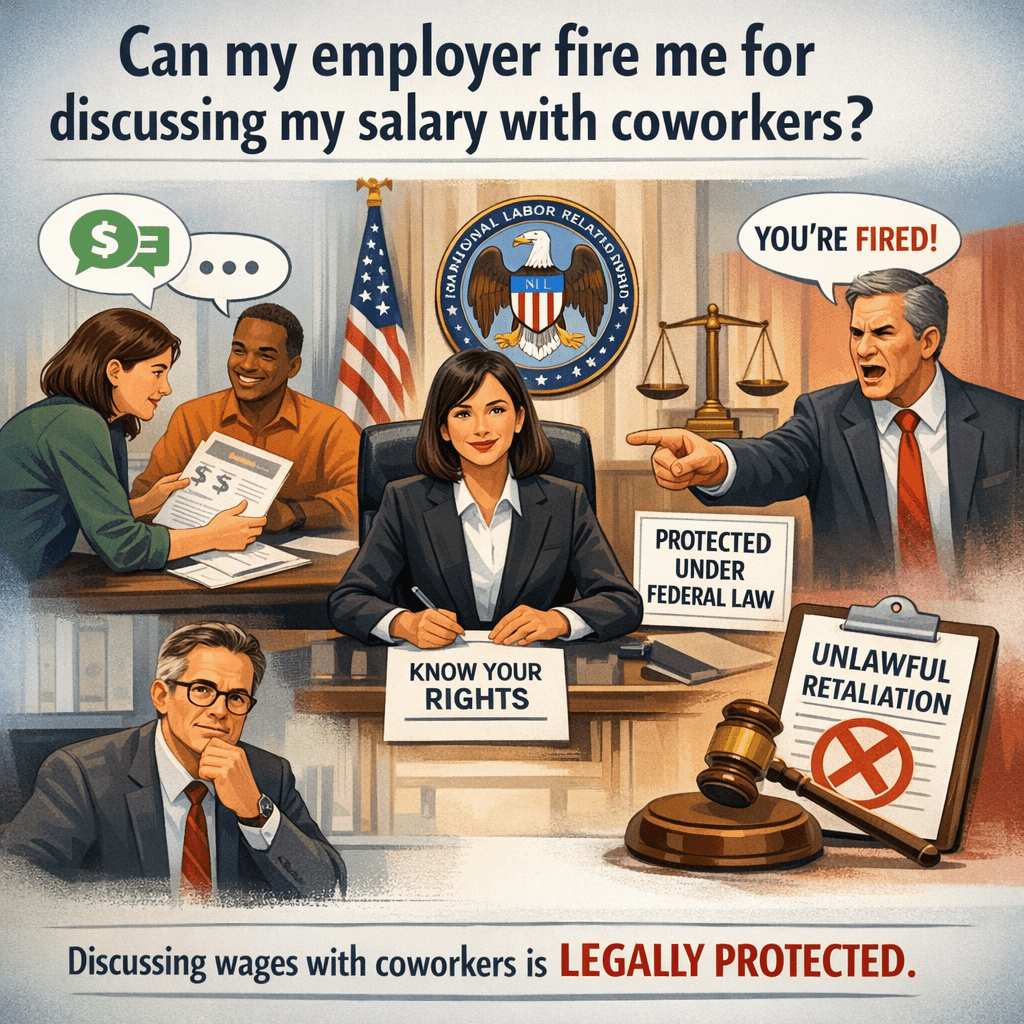
Discussing salary at work—an activity that often feels as taboo as it is critical to personal transparency and fairness in the workplace. But what many people still ponder is, “Can my employer actually fire me for discussing my pay with colleagues?” Let’s unpack this question together and explore your rights as an employee, while keeping things simple and straightforward.
The Legal Framework: Know Your Rights
In the United States, the main piece of legislation shielding you from employer retaliation for discussing wages is the National Labor Relations Act (NLRA). Developed in 1935, it might sound dusty, but it’s still very much relevant today. The NLRA applies to most private-sector employees and essentially says you have the right to engage in “protected concerted activities.” Well, what are those? It means activities that help workers improve their pay and working conditions—which includes chatting about your salary with coworkers.
Exceptions to Know
While the NLRA covers a wide swath of workers, it’s important to recognize that not all employees fall under its umbrella. For example, certain types of employers, like those in the public sector, and specific employees, such as agricultural laborers, may not be protected under the NLRA. Moreover, independent contractors usually aren’t covered by these protections.
Another exception can occur with management-level employees. Supervisors, as defined under the NLRA, don’t have the same protections when discussing their pay. If you’re wondering whether you fall into any of these special categories, a quick consultation with a labor attorney or a call to the National Labor Relations Board (NLRB) might be worthwhile for clarification.
Common Misunderstandings
A persistent workplace myth is that employers can impose confidentiality policies preventing discussions about pay. Here’s the thing: an employer can try to impose this rule, but it’s generally unenforceable for non-management employees due to the NLRA. Attempts to enforce such policies could lead to legal troubles for your employer.
Let’s make it practical: if you receive an employee handbook that prohibits salary discussions, this policy likely doesn’t jive with your rights. Importantly, remember that comments must come with peaceful and constructive purposes; inflammatory or disruptive conversations about wages, if causing significant disturbance, might not be protected.
Real-World Application
Consider this scenario. You and a coworker decide to share salary details and discover a significant pay gap despite similar roles and tenure. You both decide to bring this to your manager as a concern, aiming for fairness and transparency. Under the protections of the NLRA, your employer cannot legally fire or discipline you simply for having that discussion and voicing your concerns.
Practical Tips
1. Know Your Rights: Familiarize yourself with the NLRA protections. The more informed you are, the more confidence you’ll have in discussing workplace issues. 2. Document Discreetly: If there are worries about retaliation, document your salary-related conversations—compile emails, notes from discussions, or any pertinent communications. This can be crucial if legal questions arise. 3. Seek Support: If you’re in a union, reach out to your representative for guidance. If not, help is available from organizations like the NLRB or labor lawyers who can provide guidance tailored to your situation. 4. Keep it Professional: While discussing wages, maintain a factual and non-confrontational tone. This approach is not only professional but also helps maintain a collaborative environment where changes are more likely to happen.
While salary discussions at work might initially feel daunting, remember that these conversations are meant to foster an equitable work environment. And now armed with a better understanding of your rights, you’re empowered to contribute to that transparency without the shadow of unjust dismissal looming overhead.


