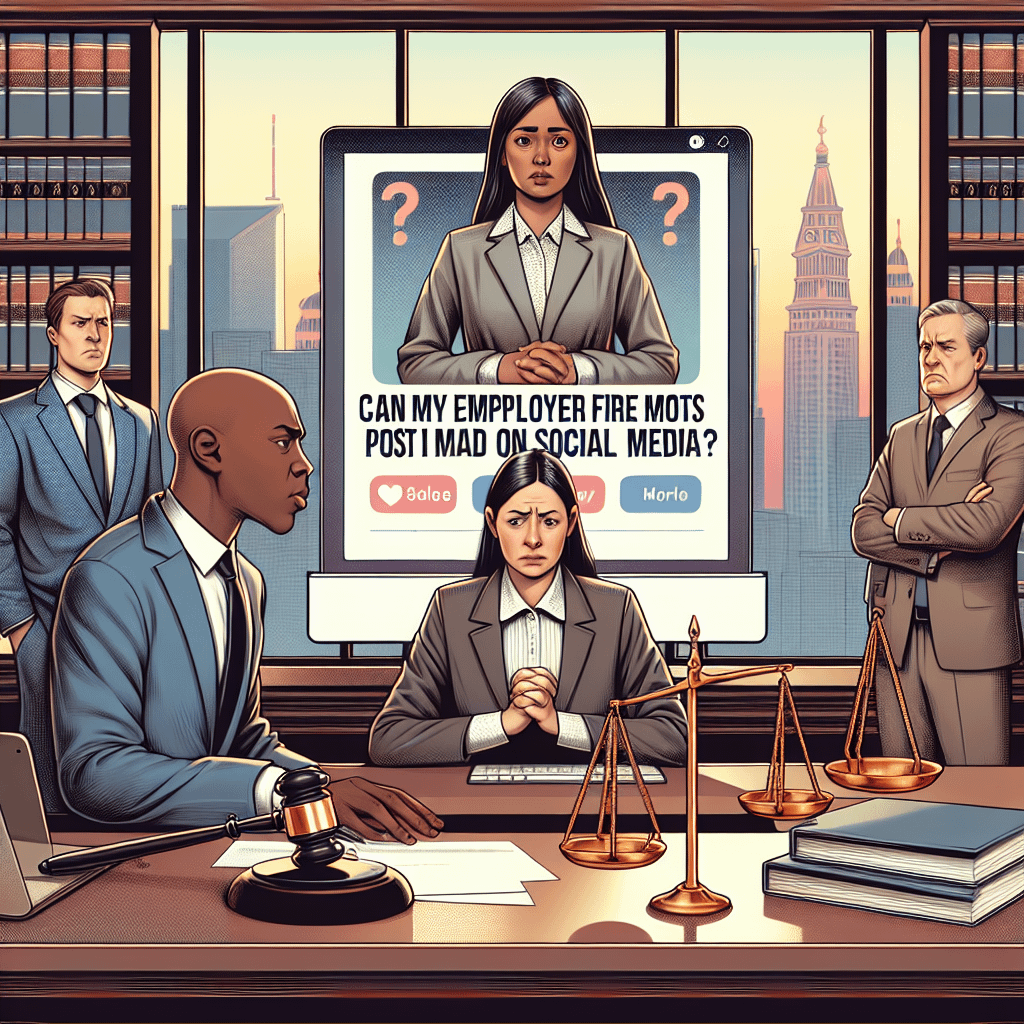
Social media can be a great way to connect with friends, share opinions, and express yourself. But what happens when your online presence clashes with your job? Can your employer fire you for something you post? Let’s explore this question to help you understand your rights and what you can do to protect yourself.
Understanding At-Will Employment
In many places, including most of the United States, employment is considered “at-will.” This means an employer can dismiss an employee for any reason (that isn’t illegal) or even for no reason at all, without warning. Conversely, employees can also leave their job without reason or warning.
However, even with at-will employment, employers can’t fire you for reasons that violate public policy, such as discrimination based on race, gender, or religion. This is an important foundation to consider when thinking about social media firings.
Legal Protections for Social Media Posts
When it comes to social media, the law offers certain protections based on content and what is known as “protected concerted activity.” This term refers to the right of employees to discuss work conditions or union-related matters collectively. Under the National Labor Relations Act (NLRA) in the U.S., employers can’t penalize employees for discussing wages, working conditions, or other job-related concerns, even on social media.
For instance, if you tweet about unsafe working conditions at your job, your post may be protected as a concerted activity. However, be careful not to confuse protected activity with general complaints or personal rants unrelated to workplace issues, as these are less likely to be protected.
Common Reasons Employers Might Fire an Employee Over Social Media
1. Inappropriate Content: Sharing content that is offensive, discriminatory, or harassing can lead to dismissal. For example, racist or sexist remarks could violate a company’s code of conduct.
2. Confidentiality Breaches: Posting sensitive business information, like trade secrets or internal announcements, might get you in hot water. Companies value confidentiality, and breaching this trust can be grounds for termination.
3. Negative Posts About the Employer: Badmouthing your employer or spreading false information about the company could lead to job loss. While vent opinions are inevitable, doing so publicly and negatively can impact your job security.
Examples and Situational Insights
Imagine this: Sarah, a graphic designer, posts a meme criticizing her company’s ugly logo design. Although it seems harmless to her, the post goes viral and negatively impacts the brand’s image. She could face disciplinary action because her post directly harmed the company’s reputation.
In another scenario, John and his colleagues are frustrated with their salary decisions. He posts about their shared distress, urging the company to consider fairer compensation. This post could be deemed protected under the NLRA since it deals with employment conditions.
Practical Tips for Safe Social Media Use
1. Review Company Policies: Familiarize yourself with your employer’s social media guidelines. Many organizations have policies outlining what is and isn’t acceptable online behavior.
2. Think Before You Post: Pause and consider the potential impact of your posts. If your post were to go public, how would it reflect on you and your employer?
3. Adjust Privacy Settings: Use privacy settings to control who can see your posts. However, remember that privacy is not foolproof; even private posts can be shared or screenshotted.
4. Keep Professional Boundaries: Stick to non-offensive, non-confidential content in public domains. Save more candid or controversial discussions for trusted friends and private settings.
5. Know Your Rights: Understand your legal rights related to free speech and protected concerted activities. If uncertain, consult a labor lawyer for advice.
Social media is a double-edged sword in the workplace. While it offers a platform to voice opinions, it also carries risks. Being thoughtful about what you share can help safeguard your career while allowing your personality to shine online.


