
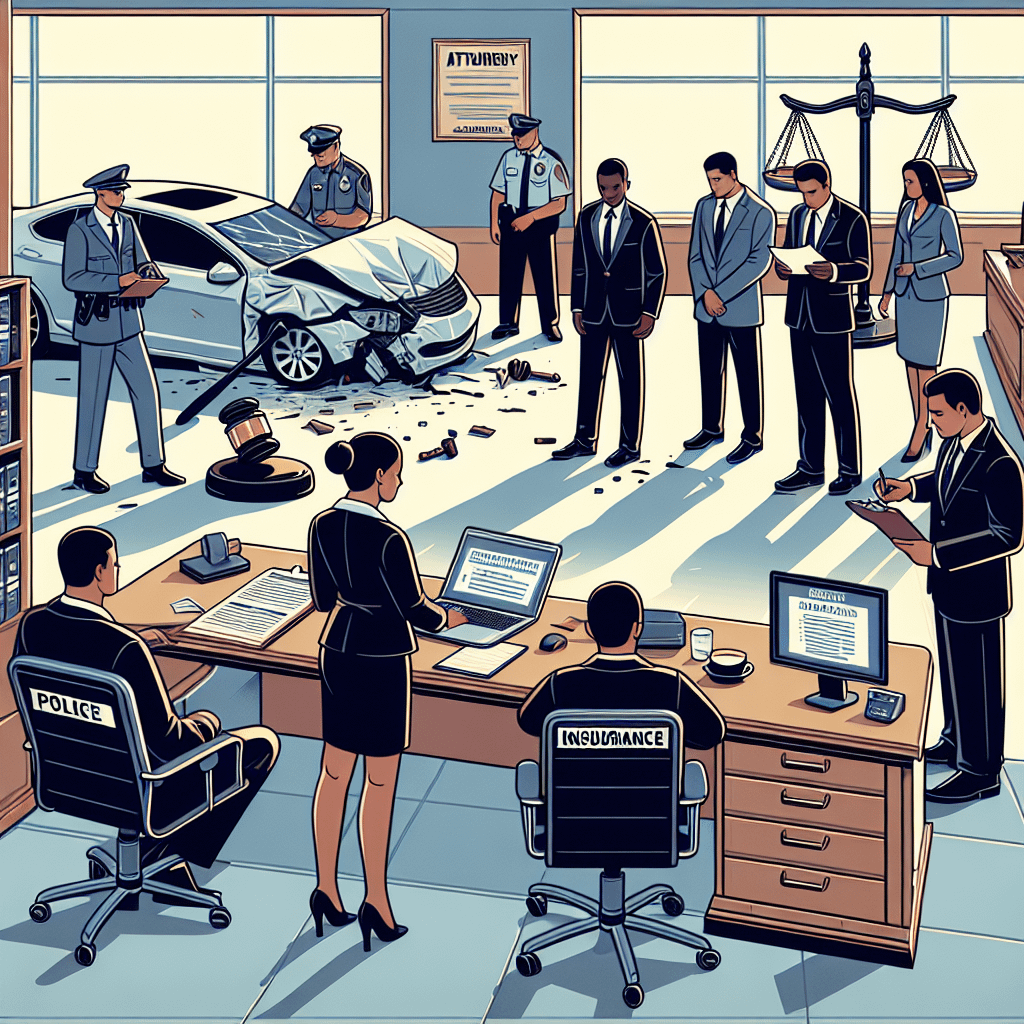
Finding yourself in a car accident can be a jarring experience, whether it’s a minor fender bender or something more serious. It’s easy to feel overwhelmed in the moment, but understanding the legal steps to take afterward can help you manage the situation calmly and protect your interests. Here’s a friendly guide to help you through the essentials of what to do after a car accident.
1. Check for Injuries and Ensure Safety
The first and most urgent priority is safety. Check yourself and any passengers for injuries. If you or others are injured, call 911 immediately for medical assistance. Even if you feel fine, it’s a good idea to see a doctor soon after the accident since some injuries may not be immediately apparent.
If you’re able to do so safely, move your vehicle to the side of the road to prevent further accidents. Turn on your hazard lights and set up warning triangles or flares if you have them.
2. Call the Police
Not every accident requires a police report, but it’s often a good idea to notify law enforcement, especially for significant damage or injuries. When the police arrive, they will document the scene and file an accident report. This report can be crucial later when dealing with insurance companies or if legal questions arise. Remember to ask how you can obtain a copy of the report once it’s filed.
3. Exchange Information
While waiting for the police, exchange information with the other driver involved. Important details include:
- Full name and contact information
- Insurance company and policy number
- Driver’s license and license plate number
- Type, color, and model of the vehicle
Avoid discussing fault or making any statements that could be interpreted as an admission of guilt. Legally, this can protect you from being held accountable for the accident prematurely.
4. Document the Scene
Gathering evidence at the scene can be vital for any future legal or insurance claims. Use your smartphone to take photos and videos of:
- Damage to both vehicles
- The position of the vehicles
- Skid marks, road conditions, and any traffic signs
- Visible injuries
- Licenses and insurance cards
These records will help provide an accurate account of the accident and may come in handy during insurance settlements or legal proceedings.
5. Notify Your Insurance Company
Most insurance policies specify that you must report accidents promptly, typically within a day or two. Call your insurance company to report the accident, even if you’re not at fault. Provide them with all the information and documentation you collected. Remember, being honest and thorough with your insurance company is important to avoid complications with your claim.
6. Keep Records of Everything
Create a folder to keep a record of all the documents related to the accident. This includes police reports, medical treatment records, repair estimates, and correspondence with insurance companies. Being organized can streamline the process, especially if you need to pursue legal action later.
7. Consider Legal Counsel
If there are significant damages, serious injuries, or disputes about who is at fault, consulting with a personal injury attorney may be beneficial. They can provide guidance on your rights and help ensure you receive fair compensation. Legal professionals are well-versed in handling the complexities of car accident claims, which can relieve the stress of navigating these challenges on your own.
Practical Tips
- Stay Calm: Remaining calm and collected can help you think clearly and handle the situation more effectively.
- Avoid Social Media: Refrain from posting details or photos of the accident on social media, as these could be used against you in legal disputes.
- Review Your Insurance Policy: Familiarize yourself with your policy to understand your coverage and what is expected when making a claim.
Understanding these steps not only prepares you for unexpected events but also reassures you that you are protecting your legal rights and ensuring a smoother process with insurance claims. Remember, being prepared can make a significant difference in how you handle an accident, so keep this guide handy just in case!


