
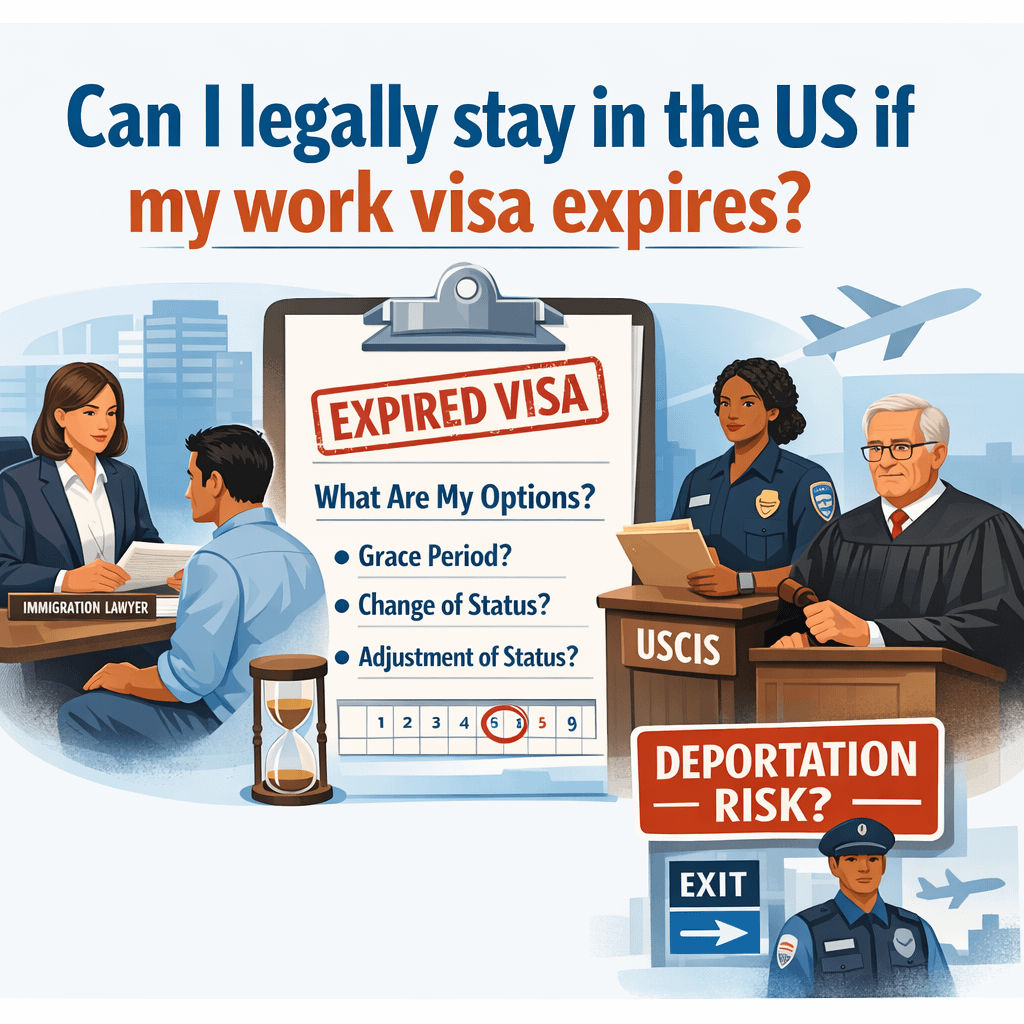
Navigating life on a work visa in the United States can be complex, and it becomes particularly challenging when you’re facing the expiration of that visa. You might find yourself asking, “What should I do if my work visa expires?” Understanding your options can help you make a seamless transition to your next chapter. Let’s break down the essentials you need to know.
What is a Work Visa?
In the United States, a work visa allows you to legally work here for a specific employer. Popular work visas include the H-1B for specialized workers, L-1 for intra-company transferees, and the E-2 for treaty investors. Typically, these visas have a set expiration date, which you must adhere to unless specific steps are taken to extend your stay legally.
What Happens When Your Work Visa Expires?
When your work visa expires, you lose the legal right to work in the U.S. and potentially face accruing unlawful presence. An unlawful presence can create serious obstacles for future visa applications or for attaining a green card. Here are a few options you might consider to legally extend your stay:
1. Apply for a Visa Extension
If your job requires you to stay longer than initially planned, your employer might file for an extension of your current visa. This process is done through U.S. Citizenship and Immigration Services (USCIS), and it’s crucial to apply before your current visa expires. Bear in mind that you may need to show continued employment and ability to work in your role.
2. Change of Status
A change of status might be a viable path if another visa category fits your situation better. For instance, if you’re currently on an H-1B visa but had been accepted into a U.S. university, you might apply for an F-1 student visa. It’s like switching lanes but staying on the legal road. Again, this must be done before your current visa expires.
3. Apply for a Green Card
If you’re eligible, applying for a green card means seeking lawful permanent residence. This option often involves employer sponsorship, family relationships, or other eligibility criteria. One benefit is that the immigrant can stay in the U.S. while USCIS processes your application, particularly if you’ve already filed an Adjustment of Status application.
4. Leave and Return
If none of the above options are feasible, you might need to leave the U.S. once your visa expires. This might sound daunting, but it allows you to maintain legal status and potentially reapply for another visa from your home country.
Practical Tips
- Plan Ahead: It’s smart to assess your visa’s timeline well ahead of its expiration. Set reminders to ensure you don’t miss important deadlines.
- Consult an Immigration Attorney: An attorney can provide personalized guidance and help you navigate the complexities of visa applications and extensions.
- Maintain Documentation: Keep all your paperwork in order. Accurate records of employment, tax filings, and correspondence with USCIS can be invaluable.
- Stay Informed: Immigration policies evolve, and staying informed of changes can help you make the best decisions.
Common Pitfalls to Avoid
- Do Not Stay Past Expiry: Even if you’re considering applying for a different status, staying beyond your visa expiration date without taking any action can lead to an unlawful presence, resulting in bans or denials in the future.
- Don’t Assume an Automatic Extension: Some may assume they can continue working while their extension is in process, but this is not always the case unless explicitly allowed.
- Miscommunication with Employers: Ensure you and your employer are aligned. Employers often play a crucial role in visa extensions and should be involved in your plans.
Facing a visa expiration can undoubtedly be stressful, but by understanding your options and planning proactively, you can manage this transition effectively. Remember, every situation is unique, so seek out advice tailored to your circumstances when making decisions about your immigration status.


