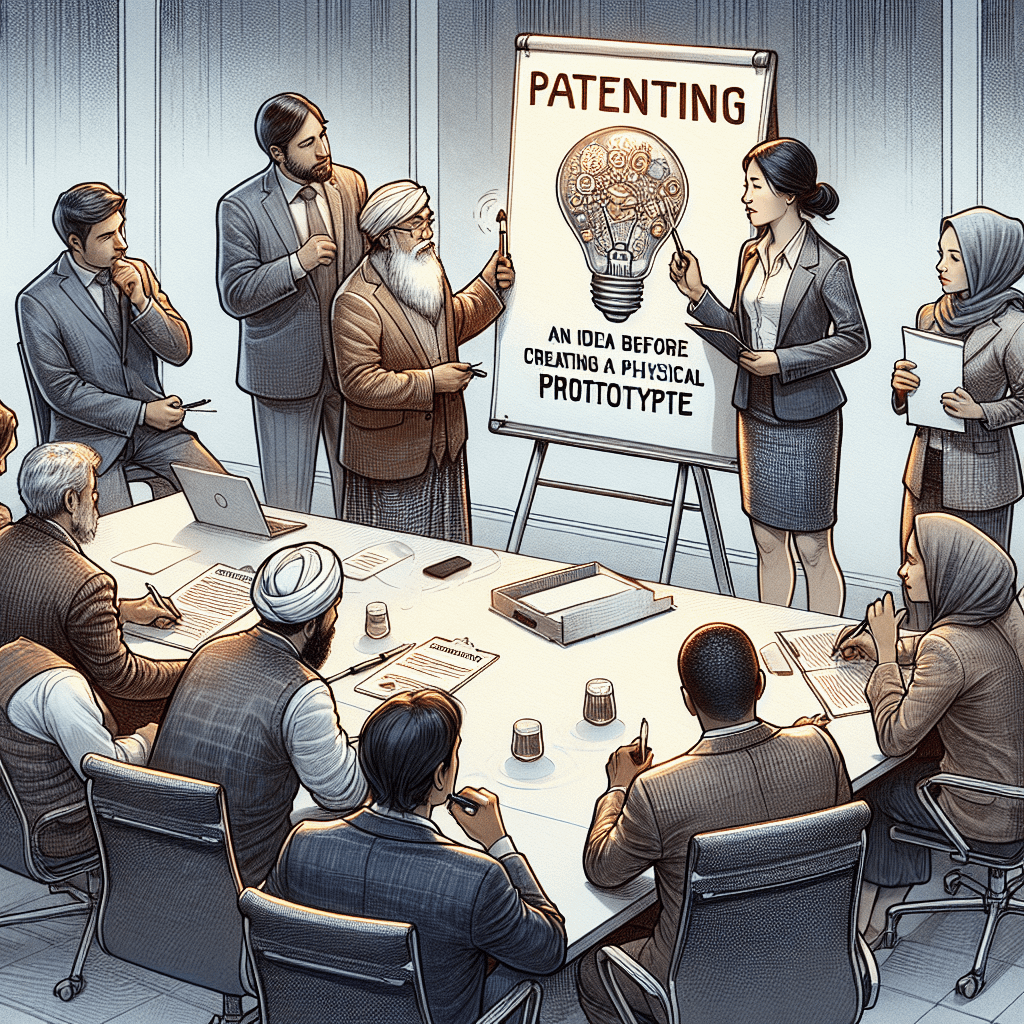
Got an amazing idea that you believe could be the “next big thing”? If you’re wondering whether you can secure a patent before physically bringing that idea to life, you’re asking a smart question. In this post, we’ll unravel this common query and guide you through the essentials.
Understanding Patents
First, let’s clarify what a patent is: it’s a legal right granted by the government to an inventor. This right allows the inventor to prevent others from making, using, or selling their invention without permission for a certain period, typically 20 years. Patents reward innovation while encouraging others to further develop ideas.
Can You Patent an Idea?
In short, no, you cannot patent a mere idea. However, here’s the good news: you don’t have to have a fully functional product either. What you need is an “inventive concept” that can be expressed in detail. According to the U.S. Patent and Trademark Office (USPTO), your concept must be “novel” (new), “non-obvious” (significantly different from what’s out there), and “useful” (it should do something).
The Role of the Prototype
While a prototype isn’t a requirement for filing a patent, it can be helpful. Creating a prototype allows you to work through practical challenges and specify the technical details you’ll need for a strong patent application. Remember Joe, a fictional inventor with a brilliant idea for a new type of umbrella? Without a prototype, he might miss critical details like the material needed or the mechanism to open it, leading to a weaker application.
Provisional vs. Non-Provisional Patents
The USPTO offers two primary ways to start the patent process: provisional and non-provisional patents.
- Provisional Patent Application: This is a lower-cost first step that doesn’t require formal patent claims or an oath. Filing a provisional application can establish an early filing date, which is crucial in the “first-to-file” system most countries follow, including the U.S. It’s valid for 12 months, during which you can develop your idea further before filing a non-provisional application.
- Non-Provisional Patent Application: This is the complete application that will be examined by the USPTO. It must include claims that define the invention and its uniqueness against existing patents. If Joe files a provisional application while working on his umbrella prototype, that early filing date is protected, giving him extra time to perfect his invention.
Crafting a Detailed Application
Whether or not you have a prototype, the key lies in the details. You must be able to describe your invention comprehensively. This means specifying the technical aspects: how it’s constructed, how it works, and how it differs from existing solutions. Think of it like writing a detailed recipe. The more specific you are, the more likely you are to secure protection.
Benefits and Risks
Filing a provisional patent comes with benefits like a lower initial cost and the ability to claim “patent pending” status, which can be a significant advantage if you’re seeking investors or partners. However, remember the risks: if you refine your idea considerably after filing a provisional, those changes must be captured in your non-provisional application, or they won’t be protected.
Practical Tips for Aspiring Inventors
- Document Everything: Keep detailed records of your inventing process. This habit can support your claims of originality and development if ever questioned.
- Consult an Expert: Patent law can be intricate. Seeking the guidance of a patent attorney or agent can help you navigate the complexities and enhance the strength of your application.
- Stay Engaged with the Process: Keep track of deadlines and continue to develop your invention. If you miss the 12-month limit to file a non-provisional patent after a provisional application, you risk losing your early filing date.
By understanding the patent process and preparing thoroughly, you can convert your idea into a protected innovation without ever needing a prototype at your side. So, go ahead and secure your place in the world of inventors—you’re closer than you think!


