If you’ve put your heart and soul into creating a logo that captures the essence of your business, it’s only natural that you’d want to protect it from being used without your permission. A logo is more than just a graphic; it’s a symbol of your brand’s identity, and it deserves to be protected appropriately. Thankfully, there are steps you can take to help ensure that your logo is safe so that you maintain full control over its use. Let’s explore the essentials of logo protection and how you can navigate this terrain with ease.
Understanding Trademark Protection
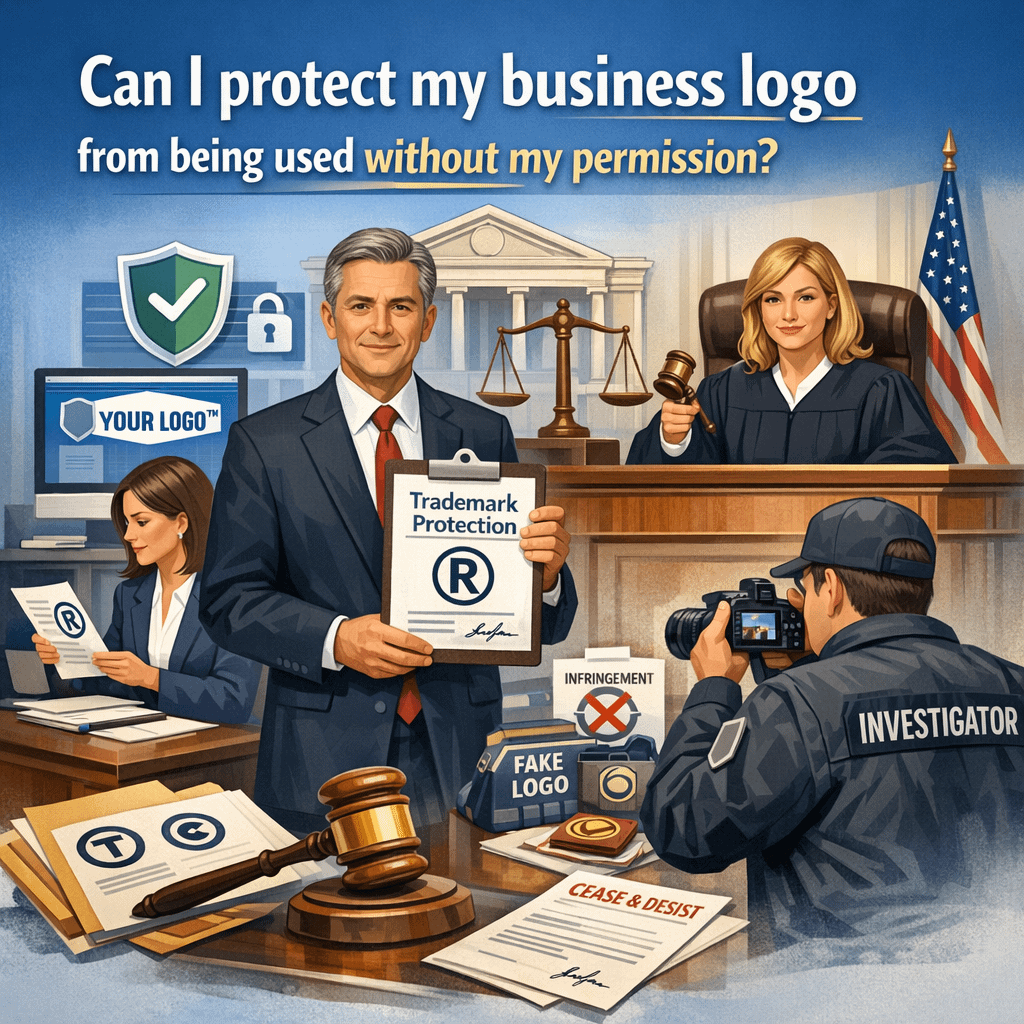
The most effective way to safeguard your logo is by turning it into a trademark. A trademark is a type of intellectual property that consists of symbols, words, or phrases legally registered or established by use to represent a company or product. Registering your logo as a trademark is key because it gives you the exclusive right to use it in connection with your goods or services and prevents others from using a similar design that could confuse customers.
The Trademark Registration Process
1. Conduct a Trademark Search: Before you can register your logo, it’s important to first make sure that it’s unique. Conduct a thorough trademark search through databases like the United States Patent and Trademark Office (USPTO) in the U.S. to ensure that no one else has trademarked a logo that’s similar to yours. This can save you headaches down the road.
2. Application Submission: Once you’ve confirmed the uniqueness of your logo, you can proceed to file a trademark application. This typically involves providing a depiction of your logo, specifying the goods or services it will represent, and paying an application fee. Your application is then reviewed by the trademark office.
3. Respond Promptly: After submission, your application might require you to address any issues or objections raised by the trademark examiner. Responding promptly and adequately is crucial to moving the process forward.
4. Publication and Opposition: Once the trademark office determines that your logo is eligible, it will be published in an official gazette. During this time, other parties can oppose the registration, although this step often proceeds smoothly for most applicants.
Once these steps are successfully navigated, your logo is officially registered as a trademark, and you have legal rights to enforce it.
Practical Tips to Protect Your Logo
1. Use Trademark Symbols: Once registered, use ™ if your logo is trademarked but not yet registered, or ® when it has been fully registered. This serves as a public notice of your rights and can dissuade potential copycats.
2. Consistent Use: Be consistent in how you use your logo across all platforms. This can help maintain its distinctiveness and support your rights in case of any infringement disputes.
3. Monitor for Unauthorized Use: Keep an eye on the market to ensure that others are not using your logo without permission. Set up alerts, conduct regular searches, and stay vigilant about potential infringement.
4. Take Action When Necessary: If you find someone using your logo without permission, consider sending a cease-and-desist letter. This formal request asks the infringer to stop using your logo and serves as a step towards resolving potential conflicts before escalating to legal action.
Common Misconceptions
- Copyright vs. Trademark: It’s important to distinguish between copyright and trademark protection. While copyrights protect creative works like books and movies, trademarks are specifically for symbols and signs used in commerce, such as your business logo.
- International Protection: Trademark protection is territorial. Registering in one country doesn’t automatically protect it in others. If you plan to expand internationally, consider filing for trademark protection in each region or looking into international agreements like the Madrid Protocol.
By understanding trademark protection and taking proactive steps, you can rest easy knowing your business logo is well-guarded against unauthorized use. Think of it as not just shielding your visual brand, but also ensuring the consistency and trustworthiness your customers have come to know and expect from your business.


