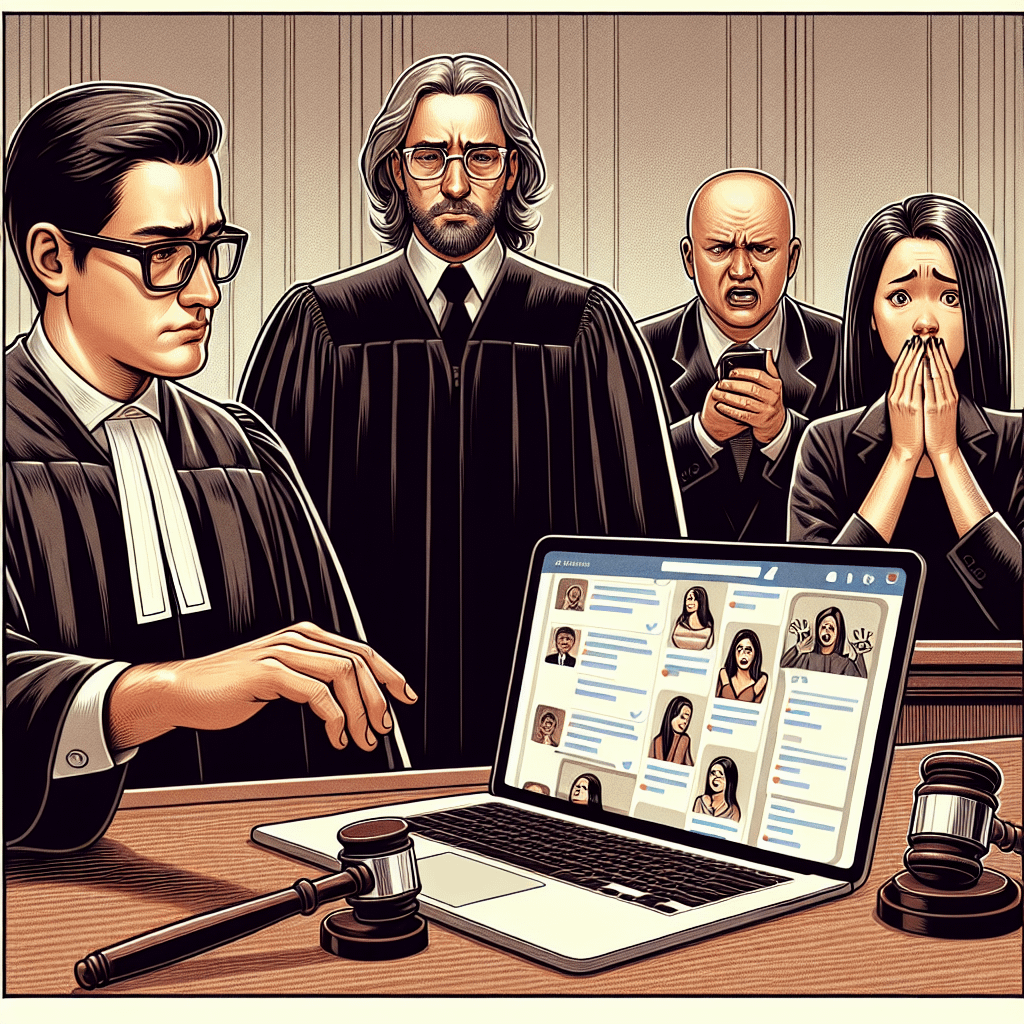
In today’s digital age, where everyone can easily voice an opinion or share information with a few clicks, it’s not surprising that disputes involving online communications are on the rise. One question that often surfaces is whether you can sue someone for defamation if they post false information about you online. The short answer is yes, but there are specific conditions and important factors to consider before proceeding with a lawsuit.
Understanding Defamation
Before delving into the nitty-gritty of online defamation, let’s define the term. Defamation is a legal concept that involves the act of making false statements about someone that damage their reputation. It comes in two forms: libel and slander. Libel refers to written statements, while slander pertains to spoken ones. When it comes to online defamation, we’re usually dealing with libel, as the statements are in text form.
Key Elements of a Defamation Claim
To successfully sue someone for defamation, you generally need to prove the following elements:
1. False Statement: The statement made must be false. Opinions or exaggerations, though they might be harsh or unpleasant, usually don’t meet the requirement for defamation unless they state false facts.
2. Publication: The statement must have been made to someone other than the person it’s about. This means any false information posted on social media or other online platforms qualifies as it reaches a broader audience.
3. Harm: The false statement must cause harm to your reputation. This could mean financial losses, damage to professional standing, or severe emotional distress.
4. Lack of Privilege: Some statements are legally protected, like those made in court. Statements covered by such privileges cannot be considered defamatory.
Common Examples of Online Defamation
Consider these common scenarios where defamation might occur:
- Personal Attacks on Social Media: An acquaintance spreads lies about your personal life on Facebook or Twitter, leading to alienation from your community.
- Business Reviews: A former employee leaves a scathing, false review of your business practices on an industry website or Yelp, resulting in loss of customers.
- Professional Credentials: Someone falsely claims on LinkedIn that you faked your qualifications, potentially harming your career prospects.
Steps to Take Before Suing
1. Document Everything: Take screenshots of the defamatory statements and ensure you have copies of everything shared. This will be crucial for your case.
2. Request a Retraction: Contact the individual directly or through the platform’s reporting mechanisms requesting they remove the false information.
3. Consider Mediation: Sometimes, a face-to-face discussion or involving a neutral third party can resolve the issue without legal action.
4. Consult an Attorney: A lawyer specialized in defamation cases can offer advice tailored to your specific situation and help determine if you have a strong case.
Defenses to Be Aware Of
When filing a defamation lawsuit, be prepared for possible defenses the accused might use:
- Truth: Demonstrating that the statement is true is a complete defense to defamation.
- Opinion: If the statement was clearly presented as an opinion rather than a fact, it may not count as defamation.
- Public Figure Rule: If you are a public figure, you must prove the statement was made with “actual malice,” meaning the person knew it was false or showed reckless disregard for the truth.
The Bottom Line
While there is a clear path to sue for defamation, it’s important to weigh the effort, potential cost, and emotional toll a lawsuit can take. Legal battles can be long and expensive, so it’s worthwhile to consider other solutions first.
Turning the focus from strict legal recourse to also including dialogue and resolution can often lead to a quicker, less stressful outcome. However, if false statements online are seriously affecting your life or livelihood, knowing that the legal system supports the right to protect your reputation can be reassuring. Always remember that while anyone can post online, accountability for false and damaging information remains critical in today’s interconnected world.


