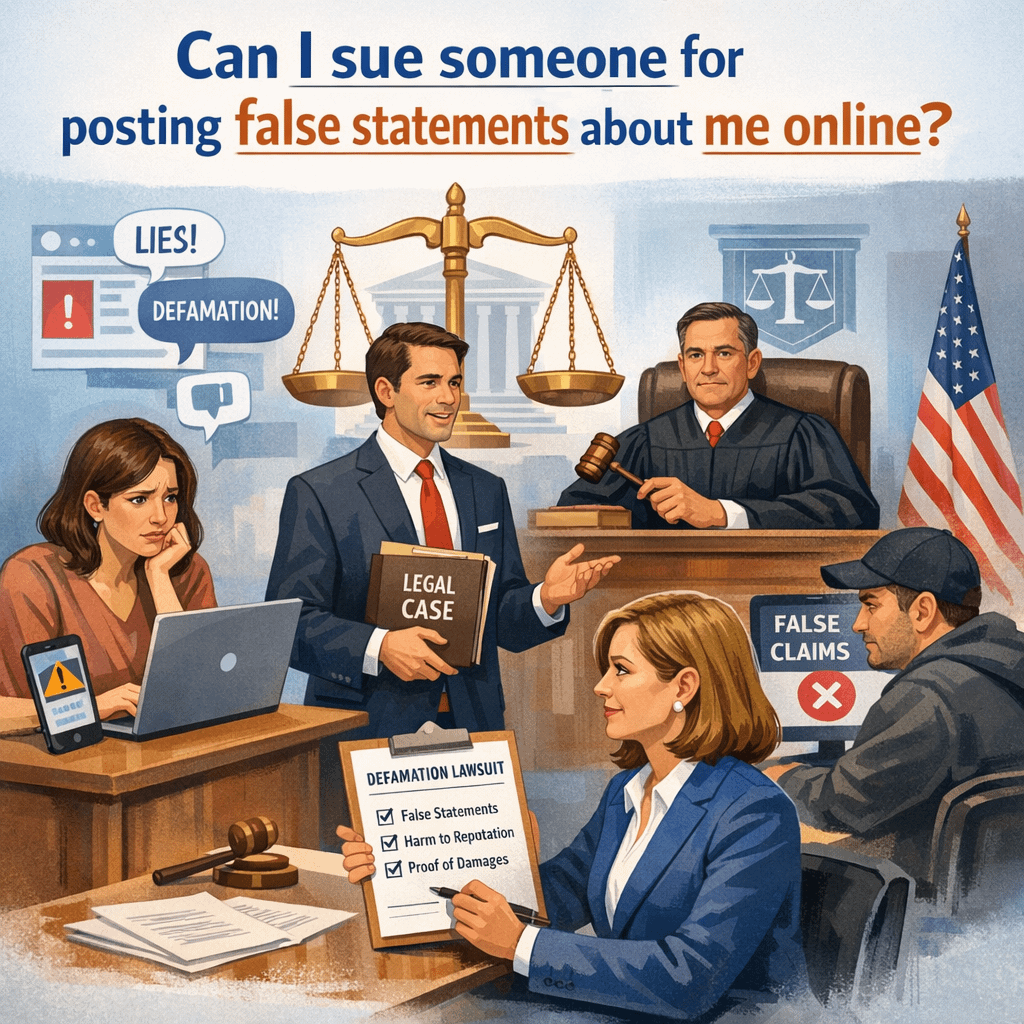
Finding out that someone is spreading false statements about you online can feel overwhelming and deeply frustrating. In today’s digital age, where your reputation can travel as fast as a click of a mouse, understanding your legal rights becomes vital. So, can you sue someone for posting false statements about you online? Let’s explore the essentials in a friendly, straightforward way.
What is Defamation?
When someone spreads false information about you that harms your reputation, it may be considered defamation. In legal terms, defamation is an umbrella term covering libel and slander. Libel refers to written false statements, while slander refers to spoken ones. Since we’re talking about the online world, libel is the term you’re likely dealing with.
Understanding the Essentials of a Libel Case
To have a successful legal case for libel, certain elements need to be present:
1. False Statement: The statement must be false. Truthful statements, no matter how damaging, typically aren’t considered defamatory.2. Publication: The false statement must be communicated to someone other than you. Posting on a website or social media fulfills this condition.3. Identification: You must be identifiable in the statement. Even if your name isn’t explicitly mentioned, if a reasonable person can deduce that the statement is about you, this condition could be met.4. Harm: The false statement must cause harm to your reputation. This could mean losing a job, damaging a business, or experiencing personal distress.
A practical example could be if someone claims online that you were fired from work because you stole from your employer, and it’s untrue, this might fulfill the elements of libel if these statements caused reputational harm or financial loss.
Complexities in Online Libel
The internet adds layers of complexity to libel cases. Identifying the person behind anonymous posts can be challenging. It might require legal action to unmask them through platforms or internet service providers, which can be a daunting task.
Moreover, each state or country can handle defamation differently. Some places might require proving “actual malice” – meaning the person knew the statement was false or acted with reckless disregard for the truth – especially in cases involving public figures.
Considerations Before Suing
Before rushing to court, consider a few practical points:
- Assess the Damages: Think about how much harm was done. Lawsuits can be time-consuming and costly, so weigh whether the damages justify the process.
- Preservation of Evidence: Take screenshots and save any relevant information about the post. Documentation is crucial in building your case.
- Contacting the Poster: Sometimes, the simplest step can be reaching out to the individual asking them to take down the statement or issue an apology. This approach can prevent further legal action and resolve disputes amicably.
- Consult an Attorney: It’s wise to consult with a lawyer specializing in defamation to understand the strengths of your case and navigate the complexities involved.
Alternative Solutions
If suing feels like overkill, consider alternative solutions:
- Report to the Platform: Most social media platforms and websites have policies against defamation and mechanisms for reporting false information. They might remove the post or take action against the user.
- Public Response: If the situation allows, you might choose to publicly address the false statement. Clarifying and calmly stating the truth can sometimes mitigate potential damage.
Conclusion
The thought of suing someone for false online statements might sound appealing when you’re angry or hurt, but it’s important to weigh the potential benefits against the difficulty and costs involved. Understanding your options, preserving evidence, and seeking legal advice can help you make informed decisions about how best to proceed. Whether through legal channels or alternative resolutions, protecting your reputation online is a critical task in today’s interconnected world.


