
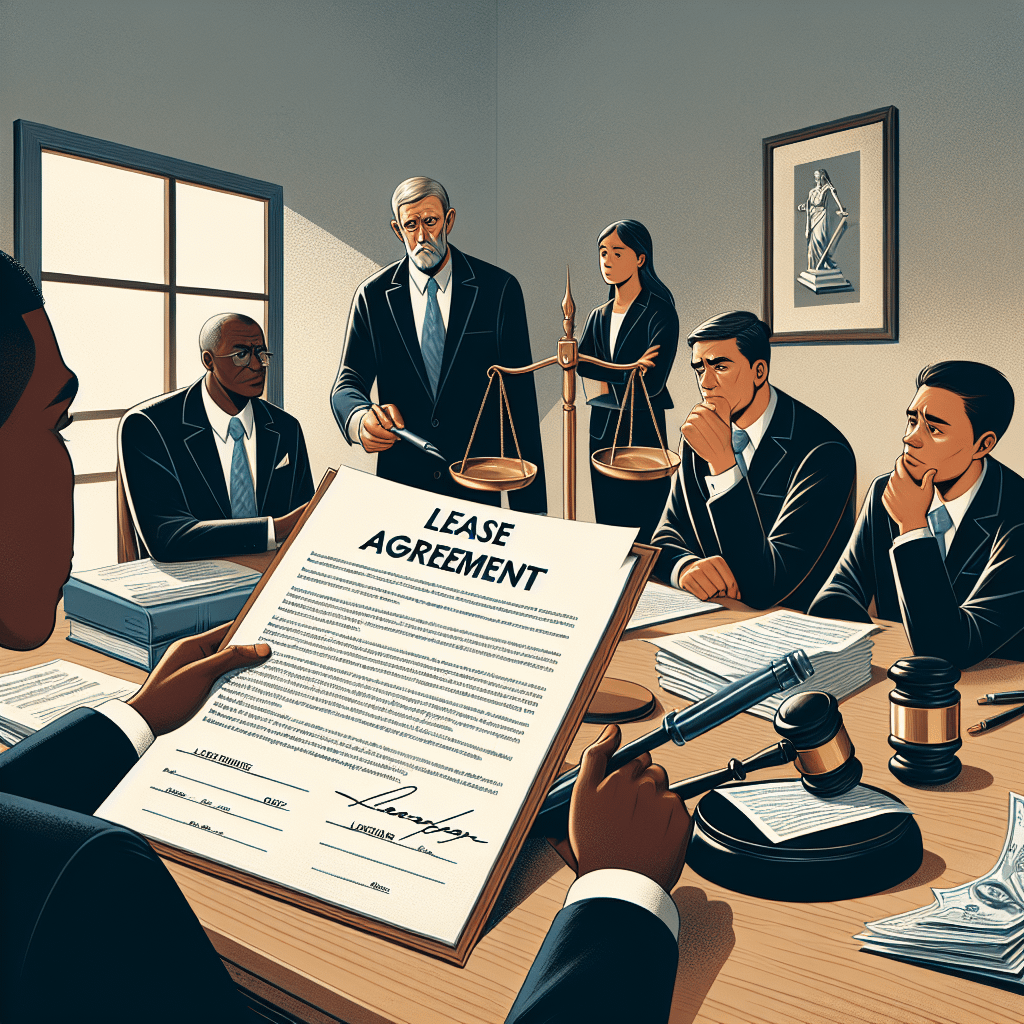
Breaking a lease agreement is a common issue faced by renters, but many are unsure of the potential repercussions. Whether it’s because of a job transfer, a new living situation, or unexpected financial hardship, the need to break a lease can arise unexpectedly. In this article, we’ll explore the potential legal consequences of breaking a lease agreement, and share practical tips to navigate this tricky situation.
Understanding Lease Agreements
A lease agreement is a legally binding contract between a tenant and landlord, outlining the terms under which a property is rented. It typically defines the lease duration, payment obligations, and responsibilities of both parties. Breaking this agreement means ending the contract before its official termination date.
Potential Legal Consequences
1. Financial Penalties
One of the most immediate repercussions of breaking a lease is the financial penalty. Most leases include a clause detailing penalties for early termination. This can range from forfeiting a security deposit to being liable for rent until a new tenant is found.
Example: Jane secured a great job opportunity in another city. Her lease has six months remaining. Upon informing her landlord, Jane learns she’s responsible for paying two months’ rent as an early termination fee under her lease agreement.
2. Responsibility for Rent
Many leases stipulate that you’ll continue to be responsible for rent payments until the lease period ends or a new tenant replaces you. This is known as “continuing liability.” However, landlords are required to mitigate damages, meaning they must make reasonable efforts to find a new tenant.
Example: If you break your lease midway through a 12-month lease, and it takes your landlord two months to find a new tenant despite active attempts, you might be on the hook for those two months.
3. Legal Action
If a tenant breaks a lease and fails to comply with the financial penalties, the landlord may initiate legal action to recover lost rent or associated costs, such as damages for advertising and securing a new tenant. This could result in a court judgment against the tenant, impacting their credit score.
4. Negative Impact on Rental History
Breaking a lease may also affect your rental history, making it more difficult to secure housing in the future. Landlords and property management companies often share tenant information, and a broken lease can be seen as a red flag.
Practical Tips for Breaking a Lease
1. Review Your Lease Agreement
Start by carefully reviewing your lease agreement to understand the specific terms regarding early termination, as they vary significantly between contracts.
2. Communicate with Your Landlord
Approach your landlord as soon as you know that you’ll need to break your lease. Open communication can often lead to a more amicable solution, such as negotiating a reduced penalty or agreeing on a mutually beneficial termination plan.
3. Document Everything
For any discussions or agreements about terminating the lease, make sure to get everything in writing. This could protect you in case disputes arise later.
4. Consider Subletting
Some leases allow for subletting, which involves finding someone else to rent the property for the duration of the lease. If permissible, consider this option to minimize financial losses. Ensure that any sublease agreement meets the requirements outlined by your landlord.
5. Legal Grounds for Breaking a Lease
In some cases, tenants have legal grounds to break a lease without penalty. These exceptions can include situations like:
- The property is uninhabitable.
- The landlord breaches the lease.
- You are a victim of domestic violence.
- Military duty necessitates a move.
If you believe you have a legal justification for breaking your lease, consult with a legal professional to understand your options.
Breaking a lease can be stressful, but understanding your rights and the potential consequences can help you make informed decisions. By being proactive, transparent with your landlord, and aware of your lease’s stipulations, you can minimize the legal repercussions and financial strain of early lease termination.


