
Picture this: You’re at a friend’s house for a casual get-together. The snacks are laid out, the conversation is lively, and then—oops—you slip on a spill in the kitchen and hurt your back. So, what now? Can you claim compensation for your injury? It might feel like a tricky situation, balancing friendship with legal rights, but understanding the basics can make it less daunting.
First, let’s dive into the concept of premises liability. This legal principle essentially means that property owners (or those in control of a property) have a duty to keep the premises reasonably safe for visitors. If they fail to do so and someone is injured as a result, the property owner may be held liable. This applies to businesses, public spaces, and yes, even private homes.
In your friend’s home, they have what’s called a “duty of care.” This means they need to take reasonable steps to ensure their home is safe. For example, if there’s a known hazard like a broken step or a slippery floor from the spill, they should either fix it or at least warn you about it. If they don’t, and you get injured, they might be responsible.
So, can you claim compensation? The answer typically hinges on a few key factors:
1. Negligence: You need to show that your friend was negligent. In legal terms, negligence involves a breach of duty that directly causes an injury. If your injury happened because your friend didn’t address a known danger or failed to warn you about it, you might have a case.
2. Injury Severity: The injury must have caused you actual harm. We’re talking about tangible damages like medical bills, lost wages, or even pain and suffering. A minor bruise may not justify a claim, but a more serious injury could.
3. Your Conduct: Your actions also matter. If you were engaging in risky behavior that led to your injury, your claim might be compromised. Courts often consider whether the injured person was partially at fault through their own carelessness.
Now, you might worry about the impact on your friendship. It’s understandable, but keep in mind that handling this through legal channels doesn’t necessarily mean directly suing your friend. Often, homeowners’ insurance can cover these kinds of accidents. When you file a claim, it usually goes through their insurance provider, not directly from your friend’s pocket.
If you’re thinking about pursuing a claim, here are some practical steps to consider:
- Document Everything: Right after the incident, if you can, take photos of the scene and your injuries. Note down details of what happened as soon as possible, while everything is fresh in your mind.
- Seek Medical Attention: This not only ensures your health and safety but also provides necessary documentation of your injuries, which is crucial for any claims process.
- Collect Evidence: If there were witnesses, gather their contact information. Their statements might support your case if needed.
- Talk to Your Friend: Depending on your relationship, a straightforward conversation might resolve the issue. They might be willing to handle the matter through their insurance without hard feelings.
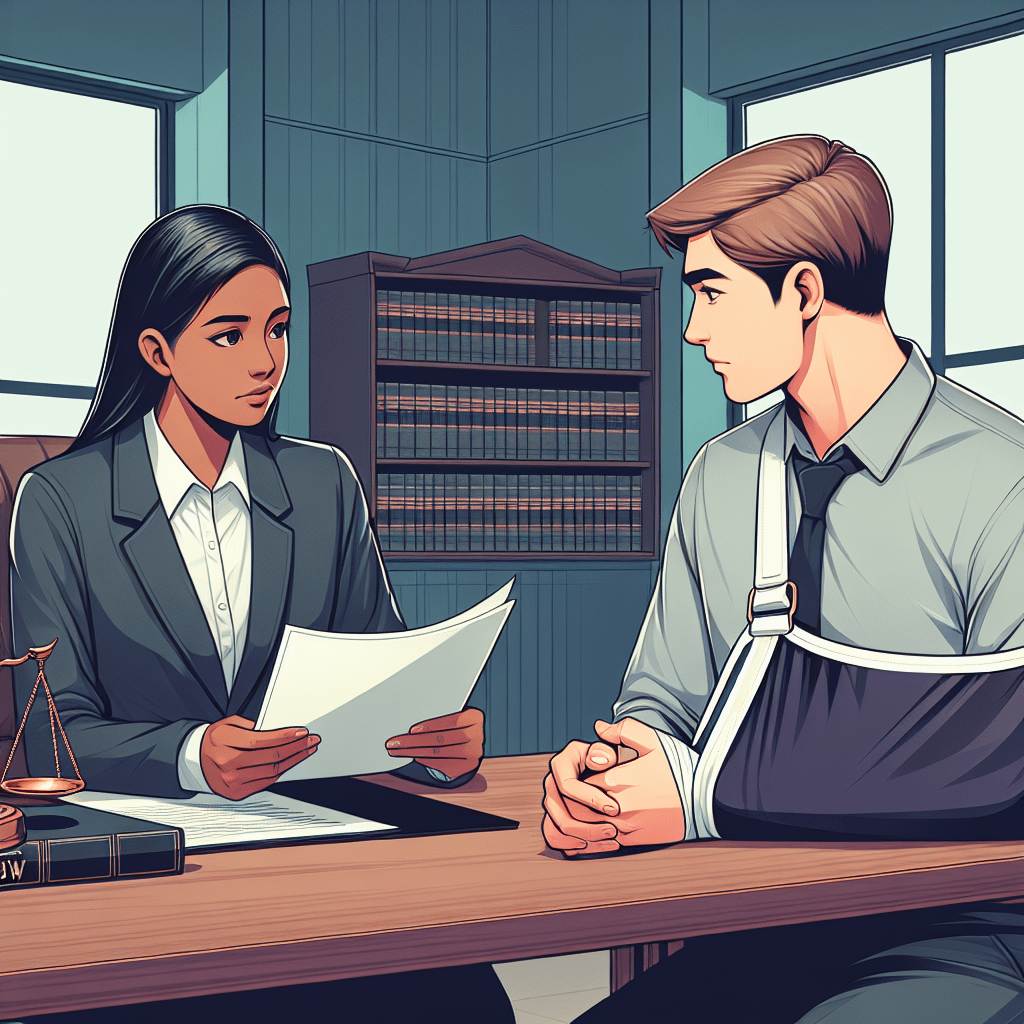
- Consult a Lawyer: If you’re unsure about your next steps, consulting with a personal injury lawyer can clarify your options. Many offer free initial consultations, so you can gauge whether pursuing a claim is worthwhile without immediate cost.
It’s perfectly natural to feel apprehensive about claiming compensation when the person potentially liable is a friend. But remember, this situation is why homeowners’ insurance exists—to protect against accidents and liabilities that can happen to anyone. Being informed about your rights and responsibilities can guide you to make the best decision for your circumstances, maintaining fairness both to yourself and your host.


