
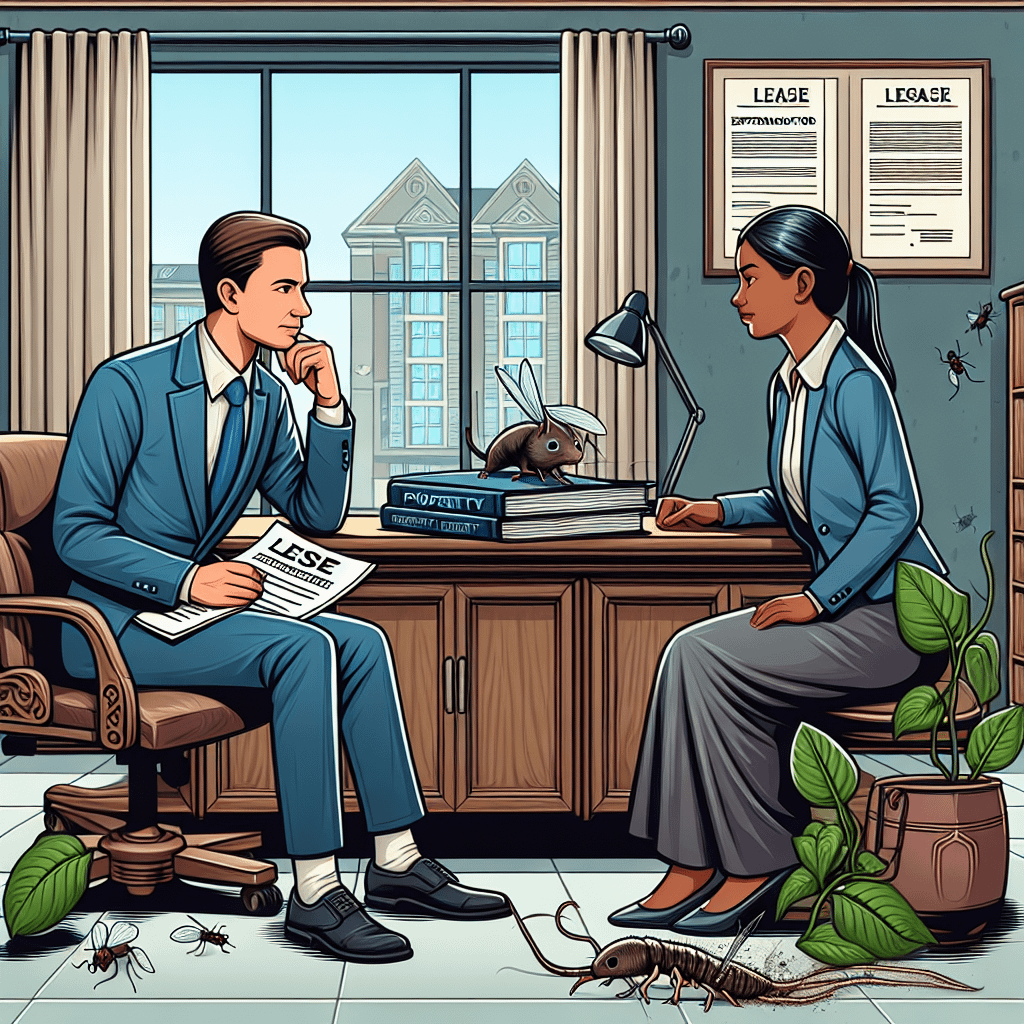
For many of us, finding a home where we feel safe and comfortable is a top priority. So when unexpected guests, like pests, decide to move in, it can be more than just a nuisance—it can threaten your living conditions and peace of mind. If you’re dealing with a pest problem in your rental home, you might be wondering: Can I legally break my lease because of this?
Let’s unpack this issue to see where you stand legally and what steps you might take.
Understanding Lease Agreements and Habitability
When you sign a lease, you’re entering into a legal contract with your landlord. This contract generally requires you to pay rent and follow the rules, while it obligates the landlord to maintain a livable environment. This is where the concept of “habitability” comes into play.
Habitability refers to the basic living conditions a rental property must meet to be considered fit for habitation. This includes protection from the weather, structural safety, and, importantly, a home that is free of pest infestations. If pests like rodents, cockroaches, or bedbugs are making your life difficult, your landlord may be in breach of their legal obligation to provide a habitable living space.
Reporting the Issue: First Steps to Take
Before you can break your lease, most jurisdictions require that you give your landlord a chance to fix the problem. Here’s how you might start:
1. Document the Problem: Take photos or videos of the infestation. Keep records of any communications with your landlord regarding the issue.
2. Notify Your Landlord: Write a formal letter or email to your landlord explaining the situation. Be clear about the type of pests and where and when you first noticed them. Request a timeline for when they will address the problem.
3. Allow Time for a Response: Typically, landlords are given a “reasonable” amount of time to solve the problem. This timeframe can vary—days to weeks, depending on the severity of the infestation.
If the Problem Persists: Exploring Your Options
If your landlord is unresponsive or fails to adequately address the pest problem, breaking your lease might become an option. Here’s how you can proceed:
1. Check Local Laws: Laws about breaking a lease due to habitability issues, including pest infestations, vary by state and city. Check local housing laws or consult with a local attorney to understand your rights.
2. Consider a Repair and Deduct Option: In some jurisdictions, if the landlord fails to address major habitability issues, tenants can hire a pest control service themselves and deduct the cost from their rent.
3. Constructive Eviction: If ongoing infestations make your home truly unlivable, you may argue “constructive eviction.” This occurs when a landlord’s failure to solve severe problems effectively evicts you from your home, as it is not tenable to stay.
4. Seek Legal Counsel: Consulting with a tenant rights advocate or attorney can help you navigate breaking your lease. They can offer advice tailored to your situation and ensure you act within the law.
Practical Tips and Considerations
- Communication is Key: Keep a clear and documented line of communication with your landlord. Written records will be invaluable if legal actions are necessary.
- Avoid Withholding Rent Without Legal Advice: While it might be tempting to stop paying rent until the problem is fixed, doing so could lead to eviction. Always seek legal advice first.
- Mitigate Damages: Even as you pursue breaking your lease, take steps to address the infestation where possible, like using traps or informing the landlord of any worsening conditions.
Navigating a lease can be tricky, especially when unexpected issues like pests arise. Remember, while landlords are responsible for providing a habitable space, staying informed, communicative, and seeking legal advice when needed can help protect your rights as a tenant. So if your home sweet home suddenly feels like home to more than just you, rest assured there are steps you can take to reclaim your living space.


