Finding yourself in a sticky situation with your rental home can be both stressful and challenging, especially when it feels like your living space is turning into a battleground of unsafe conditions. Tenants often wonder if they’re able to break a lease due to these issues without facing backlash or heavy penalties. Let’s dive into this scenario and see what you need to know to handle it effectively.
What Constitutes Unsafe Living Conditions?
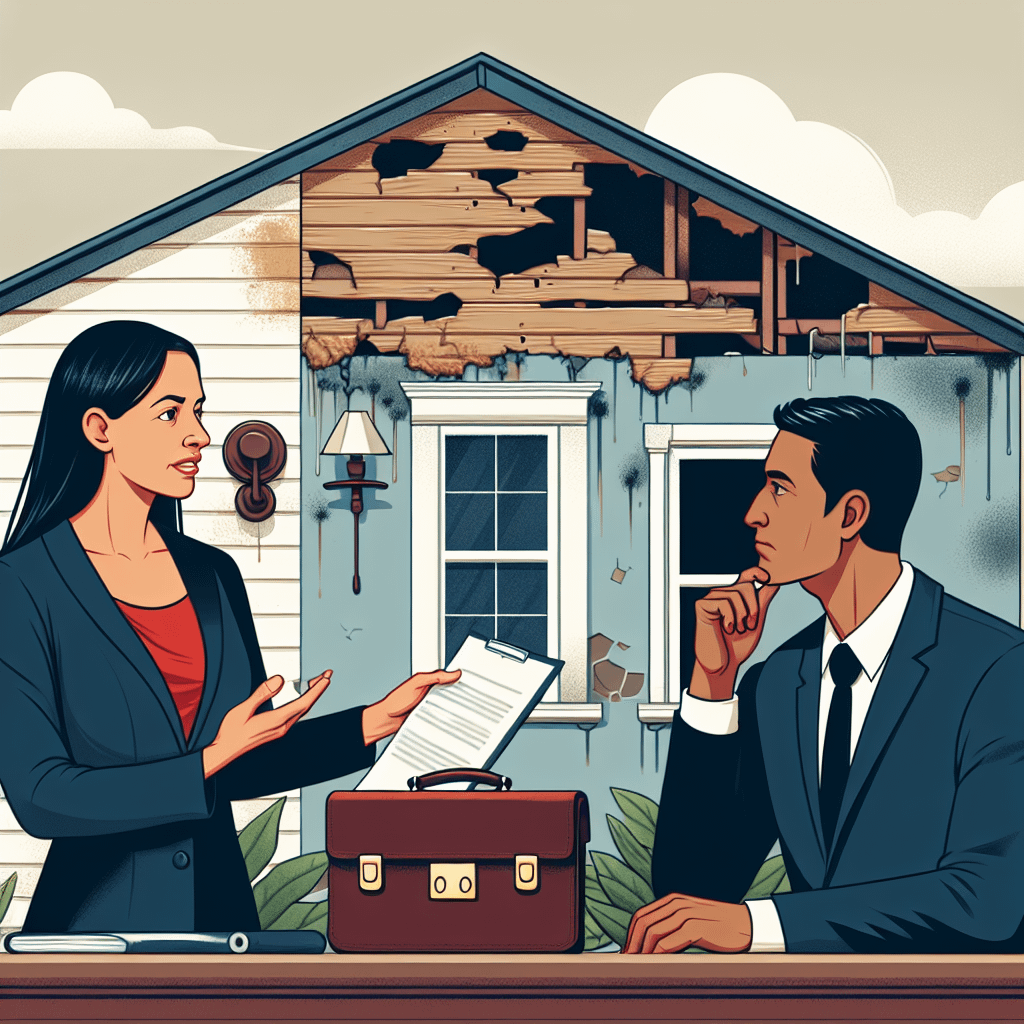
First things first, let’s clarify what “unsafe living conditions” mean. These are conditions that directly threaten your health and safety. Think along the lines of significant structural damage, severe mold infestations, pest problems, lack of essential utilities like water or electricity, or significant leaks causing damage. These are situations that no one should have to endure, and, under the law, your landlord is typically required to address and fix these problems in a timely manner.
Understanding Your Rights and Responsibilities
As a tenant, you have rights and duties outlined in your lease agreement, as well as in state and local laws. Most areas adhere to what’s known as the “implied warranty of habitability,” which is a legal doctrine ensuring that landlords must maintain rental properties in livable conditions. If your apartment violates this warranty, you may have a valid reason to break your lease.
However, your responsibility is to notify your landlord about the issue in writing. It’s crucial to document everything — keep records of communication with your landlord and photographs of the unsafe conditions. This documentation will serve as important evidence should you need to justify breaking the lease later.
Giving Your Landlord a Chance to Fix the Problems
The law generally requires you to give your landlord a reasonable opportunity to address and repair the issues. What’s “reasonable” can vary, but generally, it’s expected that fixes for major safety issues should be attempted immediately within a short time frame to reduce risks to tenants. You should clearly state in your written notice a deadline by which you expect the repairs to be completed.
If your landlord fails to make repairs after receiving adequate notice, you may have a stronger case for breaking your lease legally. Each state can have different requirements, so checking local tenant laws or consulting with a tenant rights organization can provide tailored guidance.
When Breaking Your Lease Might Be Justified
When your landlord does not take action and the conditions remain unsafe, you might have a case for what’s legally termed “constructive eviction.” This means that the property’s conditions are so poor that they effectively force you out. In this situation, breaking the lease is often considered justifiable.
Be prepared to show evidence that the landlord was aware of the issues, failed to fix them, and that they truly made the property uninhabitable. Additionally, sending your landlord a final written notice stating your intention to terminate the lease due to these unaddressed unsafe conditions is an important step.
Practical Tips for Tenants Considering Breaking Their Lease
1. Document Everything: Take detailed photos, keep copies of all your correspondence, and maintain records on when and how you reported the issues.
2. Understand Local Laws: Different states have different rules on tenant rights and landlord responsibilities. Research the specifics applicable to your area or consult a legal expert.
3. Communicate Clearly: Keep communication professional, stating clearly what needs to be fixed and giving your landlord a reasonable timeline for repairs.
4. Access Legal Help if Needed: If you’re unsure or your landlord disputes your claims, consider seeking advice from a lawyer who specializes in tenant-landlord disputes.
5. Explore Other Remedies: Sometimes municipal health departments can intervene if a property is deemed unsafe, providing additional leverage.
Living in unsafe conditions is far from ideal, and knowing how to legally address and, if necessary, exit a lease due to these issues can empower you to get back to feeling safe in your home. Always remember, you don’t have to navigate these waters alone — plenty of resources and professionals can help you manage your situation effectively.


