
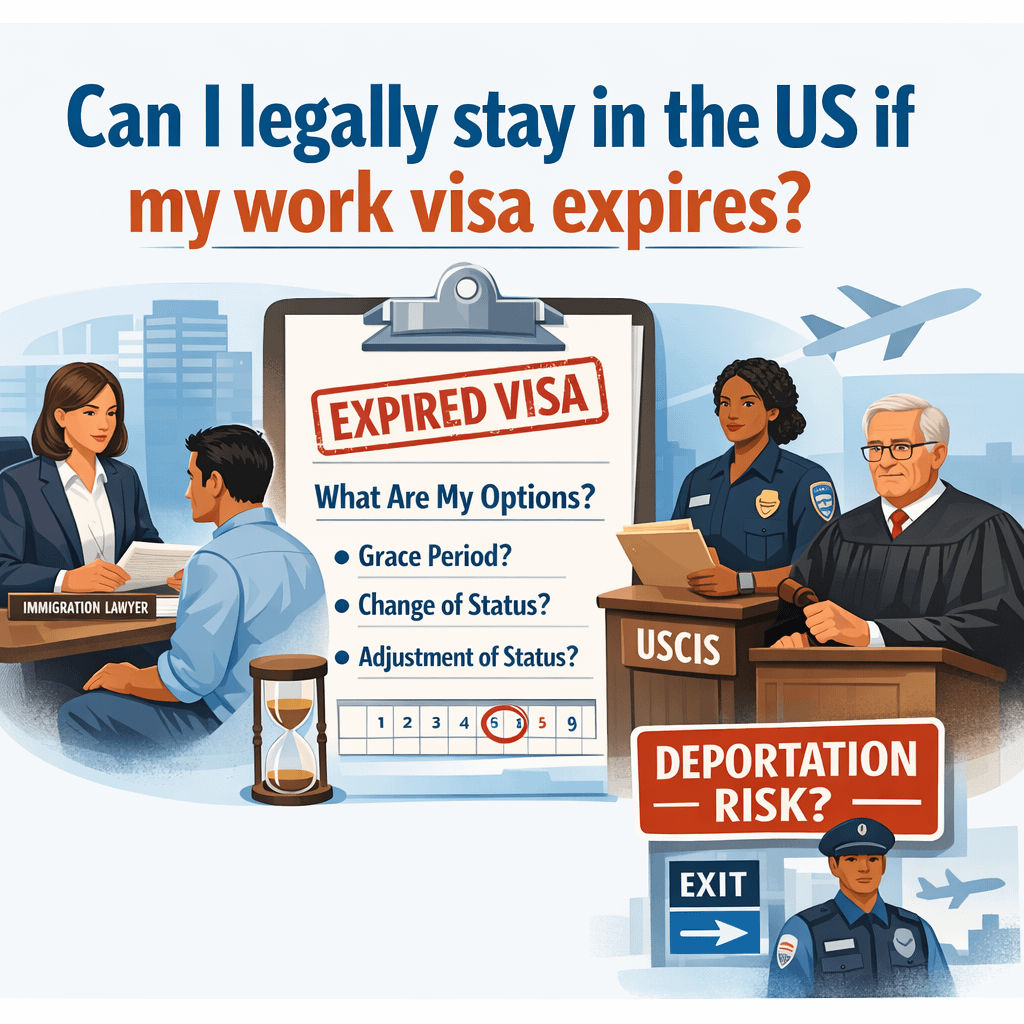
The United States attracts people from around the globe with its vast opportunities, many arriving on work visas hoping to fulfill career dreams. But what happens if that work visa is nearing expiration? Navigating immigration can be daunting, but with a little guidance, you can explore what options might be available to legally stay in the U.S.
Understanding Your Work Visa
First, it’s important to know what a work visa is. Essentially, it’s a document that allows you to live and work in the U.S. for a specified period. Common forms include the H-1B for specialty workers or the L-1 for intra-company transferees. Every visa has an expiration date, referring to the last day you’re legally permitted to stay in the U.S. under that specific visa category.
What Happens When a Work Visa Expires?
When your work visa expires, you technically lose the authorized status to remain in the U.S. This means you could be considered “out of status,” and staying beyond this date without taking action can lead to severe consequences, such as being barred from returning to the U.S. for a certain period.
Options for Staying Legally
However, an expired visa doesn’t automatically mean you have to leave immediately. Here are some options to consider:
1. Visa Extension: Depending on your specific visa category, you may be eligible to apply for an extension. This typically requires your employer to file for the extension before the current visa’s expiration. It’s essential to ensure applications are submitted in a timely manner to avoid lapses.
2. Change of Status: If circumstances have changed – perhaps you’ve found a different job offer, wish to pursue further education, or even start a business – you might be eligible to apply for a change of status. For example, switching from a work visa to a student (F-1) or dependent visa (such as H-4 for spouse/dependents of H-1B holders) might be options based on your situation.
3. Adjustment to Permanent Residence: If you’re in a position where your employment can sponsor you for permanent residency (a green card), consider starting or continuing the green card process. Note that this process can be lengthy and complicated, often requiring consultation with immigration experts.
4. Cap-Gap Extensions: Particularly for H-1B visa applicants, there’s something called a “cap-gap extension” for those transitioning from an F-1 student visa status. This provision allows them to legally stay and work in the U.S. until they receive their H-1B status in October, if their OPT expires in the interim.
Practical Tips for Navigating Visa Expirations
- Stay Proactive: The key is not to wait until the last moment. Start exploring your options several months before your visa expires. Set reminders to initiate paperwork early and follow up diligently on your application status.
- Consult Immigration Professionals: Immigration laws can be complex and ever-changing. A consultation with an immigration attorney or a certified immigration consultant can provide personalized advice tailored to your specific situation.
- Keep Records Organized: Maintain a detailed record of your employment verification, visa documentation, letters from your employer, and any correspondences with the U.S. Citizenship and Immigration Services (USCIS). These are essential when applying for extensions, status changes, or any immigration-related requests.
- Stay Informed About Deadlines: Always remain aware of key deadlines for submitting applications. Visiting the official U.S. immigration website, uscis.gov, can provide updated information on forms, deadlines, and necessary documents.
Remember, while overstaying your visa can lead to significant challenges, understanding your options and taking timely action can help you remain in the U.S. legally. By staying informed and proactive, you’re already taking the first crucial step toward securing your American dream.


