
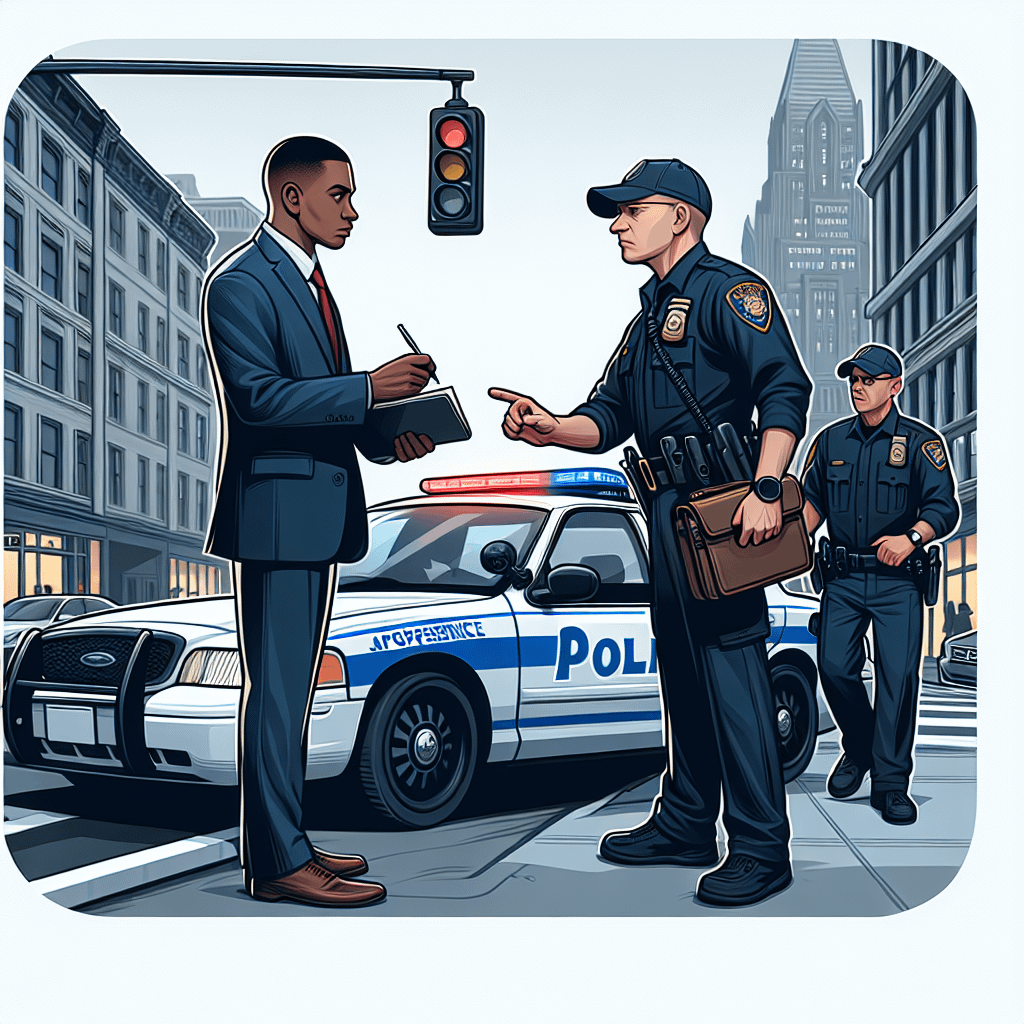
Picture this: you’re driving down the highway, listening to your favorite tunes, when suddenly flashing lights appear in your rearview mirror. Whether you’ve been pulled over for speeding, a broken taillight, or a random check, being stopped by the police can be a stressful experience. One of the most common concerns during such encounters is whether you can refuse a police search of your vehicle without a warrant. The short answer is yes, but let’s dig deeper to understand when and how you can assert your rights.
Your Right to Refuse a Search
In the United States, the Fourth Amendment of the Constitution protects you from unreasonable searches and seizures. This means that, generally, law enforcement officers need a warrant to conduct a search. However, there are several exceptions where police can search without a warrant, and vehicle searches often fall into these exceptions due to the “automobile exception.”
Let’s break it down:
1. Consent Searches: One of the simplest ways officers can search your vehicle legally is by asking for your permission. If an officer asks, “Do you mind if I take a look inside your car?” they are seeking your consent. Here’s a critical point to remember: you have the right to say no. If you do not give consent, the officer may still proceed only if another legal reason applies.
2. Probable Cause: This is a critical legal term meaning that the officer believes they have a reasonable basis to believe that there is evidence of a crime in your vehicle. For example, if the officer sees or smells something suspicious—like the scent of illegal drugs or alcoholic beverages—they may have probable cause. In such cases, they do not need your consent or a warrant to search your car.
3. Incident to Arrest: If you’re arrested, officers can search your vehicle. This is called a “search incident to arrest” and is another situation where no warrant is needed. This is because the law allows officers to preserve evidence and ensure their safety and yours.
4. Plain View Doctrine: If officers see something illegal in “plain view” without entering or searching your car—like a firearm or other contraband on the seat—they can seize it. This doctrine justifies a warrantless search since the illegal item is clearly visible.
Guidelines for Handling Police Encounters
While it’s essential to understand your rights, it’s equally important to know how to assert them calmly and respectfully. Here’s a basic guideline you might find useful:
Stay Calm and Polite: Being pulled over can be unnerving, but staying calm can help you think clearly and handle the situation better. Being polite does not mean waiving your rights.
Clearly State Your Refusal: If an officer asks to search your car, and you do not want to give permission, say clearly, “I do not consent to a search.” Remember, refusal alone does not give them probable cause.
Ask If You’re Free to Go: If the officer seems to be finishing the procedures, but you’re unsure if you can leave, asking, “Am I free to go?” can help clarify the situation. This demonstrates your understanding of your rights.
Document the Encounter: After the encounter, jot down notes about what happened while your memory is fresh. Remembering specific details can be helpful if questions about the stop arise later.
Seek Legal Advice: If you believe your rights were violated, consider speaking with an attorney to explore your options. Legal professionals can offer insight and advice tailored to your situation.
Understanding and asserting your rights respectfully can make navigating traffic stops less intimidating. Remember that while officers perform essential public safety duties, your constitutional rights are there to protect you. By staying informed and calm, you can manage these encounters with confidence and clarity.


