
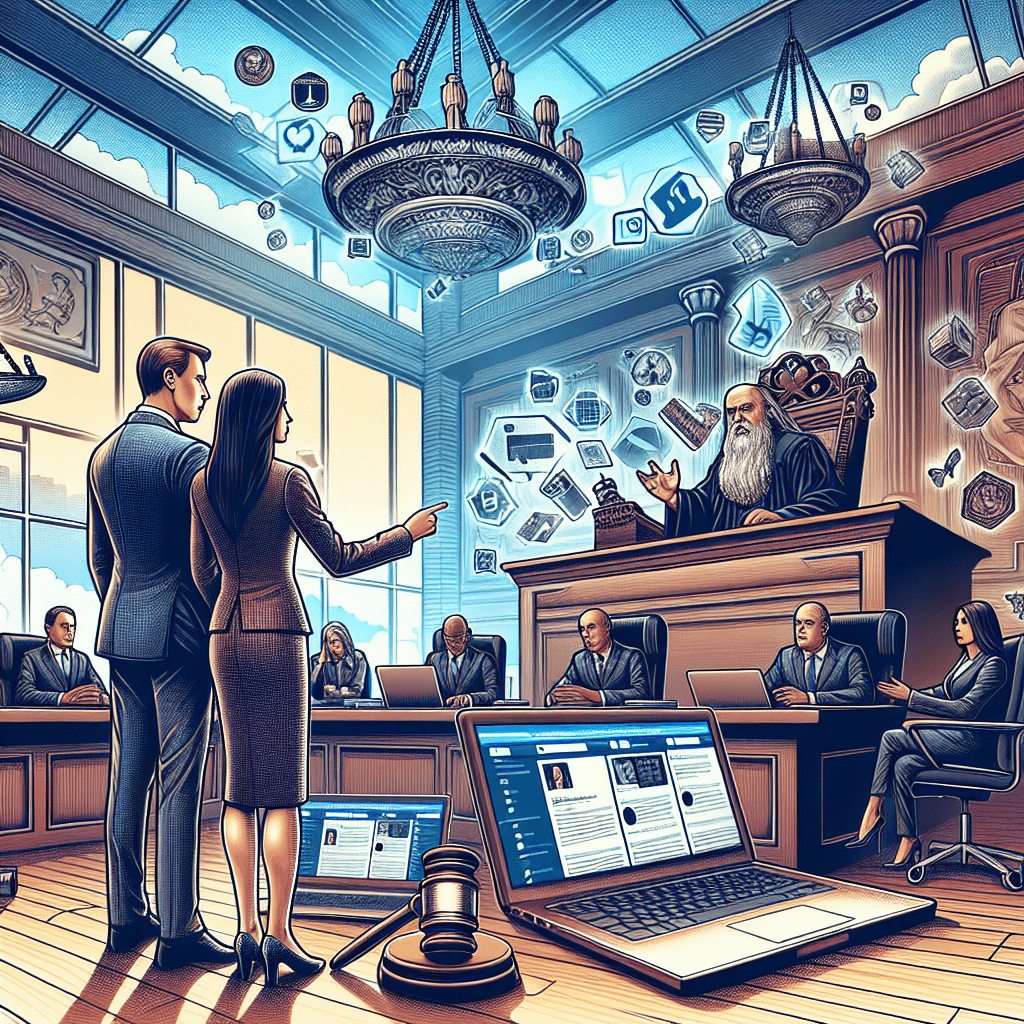
Imagine this: You’re scrolling through your social media feed when suddenly you come across a post that makes your heart sink. It’s spreading false information about you—claims that aren’t just untrue but could harm your reputation. You probably feel upset, maybe even furious. So, can you do something about it legally? The answer is yes, in certain circumstances, you might be able to sue for defamation.
Defamation is a legal term that refers to any false statement presented as fact that injures a party’s reputation. It has two forms: libel, which covers written statements (like what you might find online), and slander, which refers to spoken statements. Since we’re focusing on online posts, we’ll stick with libel.
To begin, it’s important to understand the basic elements required to prove a case of defamation. Generally, you need to demonstrate the following:
1. A False Statement Was Made: The information must be objectively false. If someone is sharing their opinion about you, or if what they’ve said is true, even if damaging, it usually isn’t considered defamation.
2. The Statement Was Published: In legal terms, “published” means the statement was made public, so others could see it online—whether it was on a blog, social media, a forum, or similar.
3. The Statement Caused Injury: You need to show that the false statement actually harmed your reputation. This could mean losing your job, customers, or experiencing personal embarrassment.
4. The Statement Was Unprivileged: Some statements are protected or “privileged” under the law, like those made in certain legal settings.
5. Fault: You must show that the person who made the statement was at fault, usually needing to demonstrate negligence (for private figures) or actual malice (for public figures).
One crucial point to remember is the distinction between public and private figures. Public figures, such as celebrities or politicians, have a higher burden of proof when it comes to defamation. They must prove “actual malice,” meaning the person who published the information knew it was false or acted with reckless disregard for the truth.
Conversely, as a private individual (someone not in the public eye), you only need to show negligence, which means the person didn’t take proper care to check if the information was true.
Let’s Look at Some Examples:
- Scenario One: Suppose a former colleague posts a blog article claiming you embezzled funds from a company, which is entirely false and impacts your job prospects. This could potentially be a valid defamation case.
- Scenario Two: If someone tweets that they didn’t like your recent restaurant review because “it was complete garbage,” that’s likely an opinion, not a defamatory statement.
Practical Tips:
- Document Everything: If you find something defamatory about you online, take screenshots and record URLs. Having detailed records is crucial for building your case.
- Reach Out First: It might be beneficial to contact the person who made the post to ask for its removal. Sometimes people don’t realize the potential harm of their words.
- Consult an Attorney: If you’re seriously considering legal action, consult a lawyer who specializes in defamation. They’ll help you understand if you have a strong case and guide you through the legal process.
- Act Quickly: Defamation laws have statutes of limitations, meaning you have a limited time to bring a lawsuit after the statement is made.
In this digital age, where information spreads like wildfire, being aware of your rights regarding defamation is important. If false statements about you appear online, know that you do have potential remedies, but also be mindful of the complexities involved in pursuing legal action. By staying informed and proactive, you can navigate these tough situations more effectively.


