Social media has transformed how we communicate and share information. But with its immense popularity and accessibility, it has also become a platform for spreading false and harmful statements about others, sometimes causing significant reputational damage. If someone has lied about you on social media, you might be wondering if you have grounds to sue them for defamation. Let’s walk through what defamation is, when you can sue, and what you should consider before taking legal action.
What Is Defamation?
Defamation refers to false statements made about someone that damage their reputation. It comes in two flavors: libel and slander. Libel is defamation in written or permanent form—for example, a tweet or Facebook post. Slander, on the other hand, involves spoken words, like what someone might say in a video they post online.
To successfully sue for defamation, you generally need to prove the following elements:
1. False Statement: The statement must be false. Truth is a complete defense to defamation. 2. Publication: The false statement must be communicated to at least one person other than you.
3. Injury: You must show that the statement caused injury to your reputation, financial loss, or emotional distress.
4. Fault: Depending on who you are, a different standard applies. Private individuals need to show that the statement was made negligently, while public figures must show actual malice—meaning the statement was made with knowledge of its falsity or reckless disregard for the truth.
Social Media and Defamation
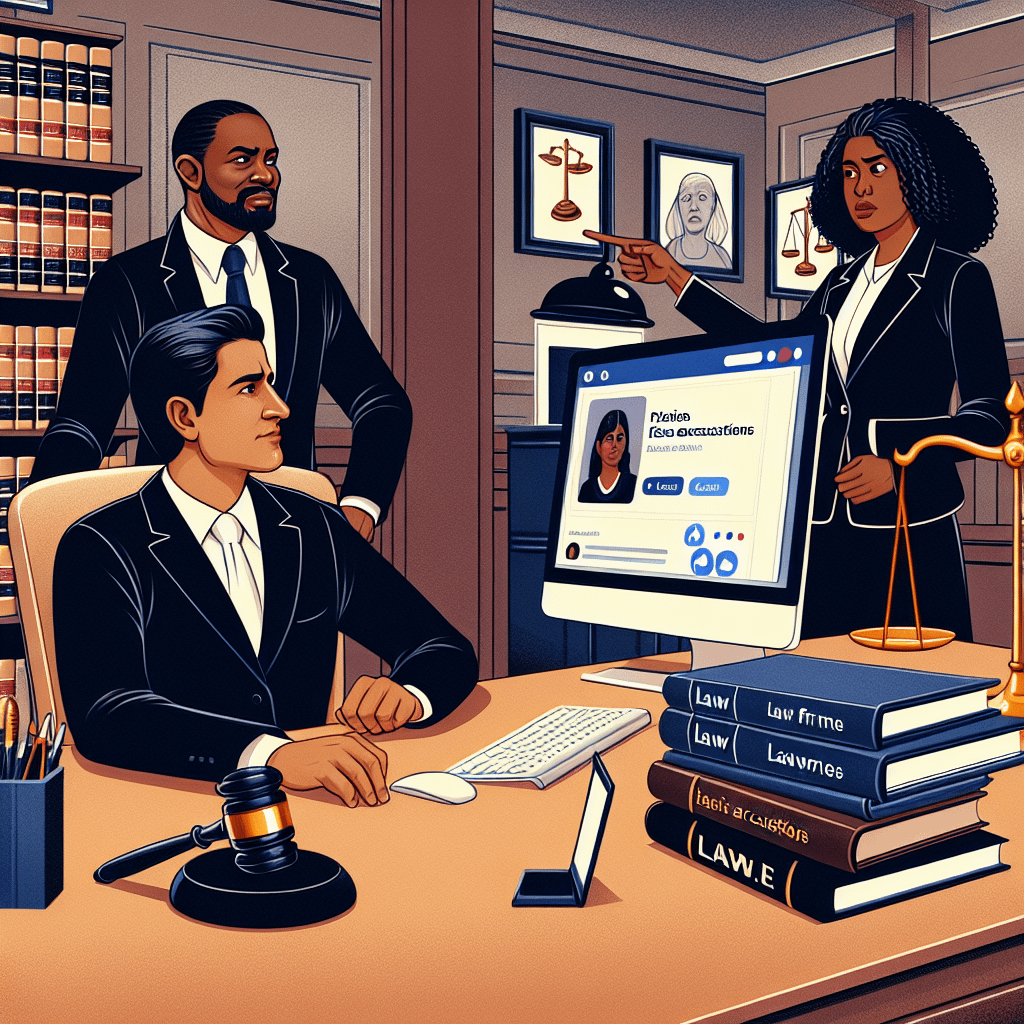
Social media lawsuits for defamation are becoming more common. Imagine Jane posts a Facebook status falsely claiming that her neighbor, John, is a thief. If others believe this lie and John suffers reputational damage, he might have a case for defamation.
However, context matters. Courts consider the environment of the publication—whether it’s a heated Twitter argument or a misleading online review—when determining whether a statement is defamatory. Hyperbolic or humorous comments might be considered protected free speech, rather than defamation.
Practical Tips Before Suing
1. Verify the Statement: Make sure the statement is indeed false and identifiable as directed toward you. Vague or opinionated remarks may not meet the defamation criteria.
2. Document Everything: Capture screenshots and gather any evidence of the statement and its impact, like negative comments or lost job opportunities.
3. Assess the Damage: Consider how the false statement has tangibly affected your life. Emotional hurt alone might not be enough; you may need evidence of real-world consequences.
4. Attempt Resolution: If possible, try reaching out to the person to request the removal or correction of the statement. Legal action can be costly and time-consuming, so exploring resolution outside of court can be beneficial.
5. Consider Legal Advice: Consulting with an attorney experienced in defamation can help you weigh the strengths of your case and understand potential legal costs versus benefits.
Legal Challenges and Defenses
Understand that a defamation lawsuit might not always be straightforward. The person you are suing might claim that their statement was just an opinion or protected under freedom of speech principles. Judges often dismiss cases where the statement is deemed a mere opinion, especially in platforms known for spirited, informal dialogue, like Twitter.
In Summary
While you can potentially sue someone for defamation over lies told on social media, it requires careful consideration of several factors: the truth of the statement, its publication, resulting harm, and the speaker’s intent. Weighing these elements with practical advice can clarify your chances of winning such a lawsuit. Remember that while legal action can address specific cases of defamation, fostering truthful and respectful online discourse is something we can all contribute to daily.


