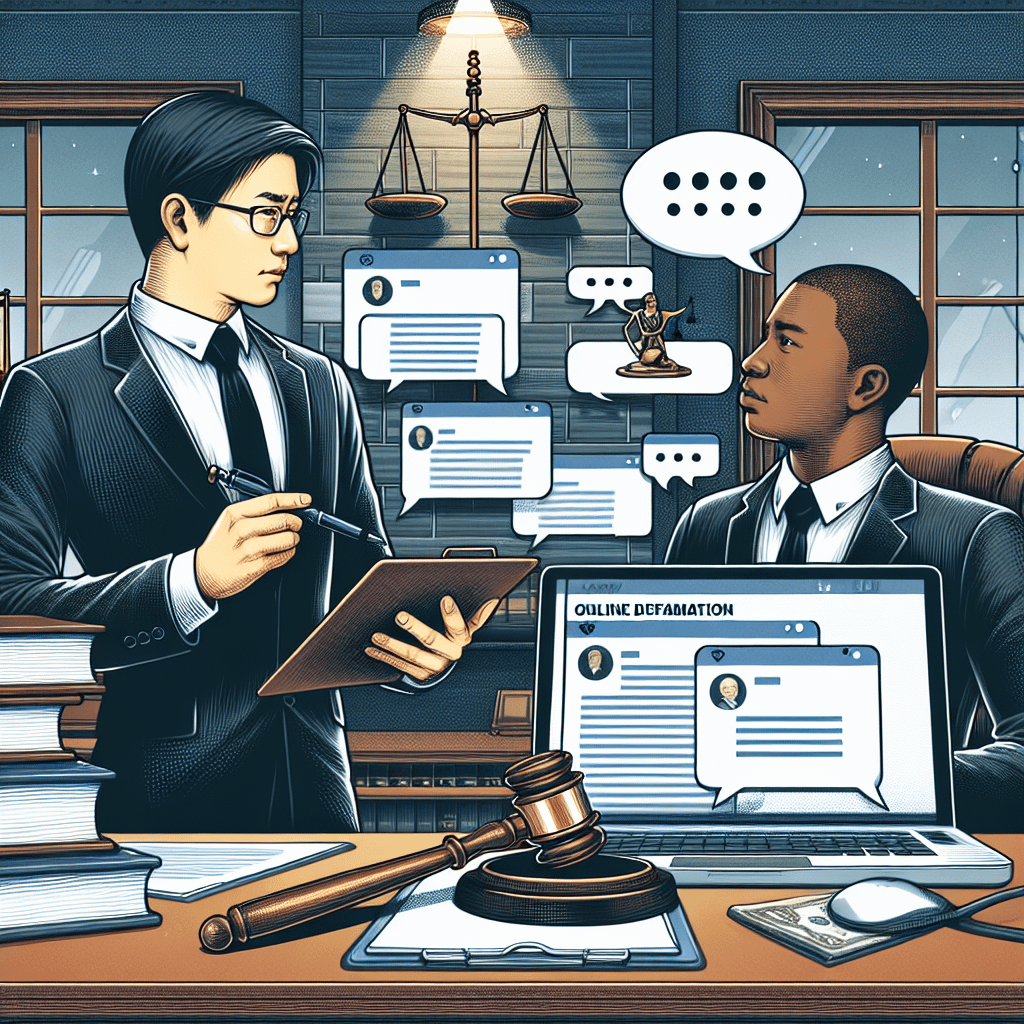
Having false rumors about you spread online can feel deeply personal and frustrating. In today’s digital age, it’s an all-too-common problem: you wake up one day to find that someone has posted untrue, damaging statements about you on social media or a blog. Naturally, you may wonder, “Can I sue someone for defamation if they’ve spread false rumors about me online?” Let’s navigate this tricky terrain together and untangle what legal steps you can consider.
First, let’s define defamation. Defamation is a legal term that covers any statement that injures someone’s reputation. If the statement is written, like online posts, it is termed “libel.” If the statement is spoken, it is known as “slander.”
To win a defamation lawsuit, you generally need to prove four key elements:
1. False Statement: The statement must be false. Truthful statements, no matter how harmful they may be to your reputation, are not considered defamation.
2. Publication: The statement must be “published,” meaning at least one person other than you and the person making the statement must have seen or heard it.
3. Injury: The statement must cause injury to your reputation. This can mean financial loss or harm to your personal or professional reputation.
4. Unprivileged Statement: The statement must not be protected by any legal privilege. Certain statements made in court, for example, may be privileged.
Common Situations and Examples
Imagine someone posted on Instagram, claiming you were fired from your job for stealing. If this statement is false, and others see it and believe it, your reputation could be seriously harmed, fulfilling the injury requirement. If you lost clients or job opportunities because of it, you might also clearly demonstrate financial damage.
Similarly, consider a blog where someone writes that you were involved in criminal activities when you weren’t. This meets the requirement of publication because it’s been made available to anyone who accesses the site.
Practical Tips if You Consider Legal Action
1. Document Everything: Begin by collecting evidence. Take screenshots of the false statements, noting timestamps and URLs. This documentation can be critical in building your case.
2. Contact the Platform: Many social media sites and forums have policies against defamatory content. Reporting the content to the platform may result in its removal, potentially stopping the damage before it spreads further.
3. Issue a Cease and Desist: Sometimes, a formal letter from an attorney demanding that the person stop spreading false statements is enough to resolve the issue without going to court.
4. Consult an Attorney: Before taking any legal action, consult with a lawyer who specializes in defamation cases. They can help you understand the strength of your case and any potential consequences of filing a lawsuit.
It’s important to keep in mind that defamation lawsuits can be complex and expensive. Additionally, proving that you’ve suffered a tangible injury can sometimes be challenging.
Considerations Before Suing
- Public Figures vs. Private Individuals: If you are a public figure or someone involved in matters of public concern, the standards for proving defamation are higher. You must also show that the statement was made with “actual malice,” meaning the person knew the statement was false or acted with reckless disregard for the truth.
- Potential Costs: Legal battles can be costly, both financially and emotionally. Assess the potential damages you could recover against the costs involved.
- Free Speech Considerations: The U.S. places a high value on freedom of speech, which can sometimes complicate defamation claims. Courts often strike a balance between protecting reputations and safeguarding expressive freedoms.
Taking steps to address online defamation is not just about filing a lawsuit; it involves understanding your situation and choosing the best course of action. Whether you decide to pursue legal action or seek alternative resolutions, knowing your rights is the first empowering step to take. Stay calm and collected, and remember that, with the right approach, you can address the harm done and protect your reputation.


