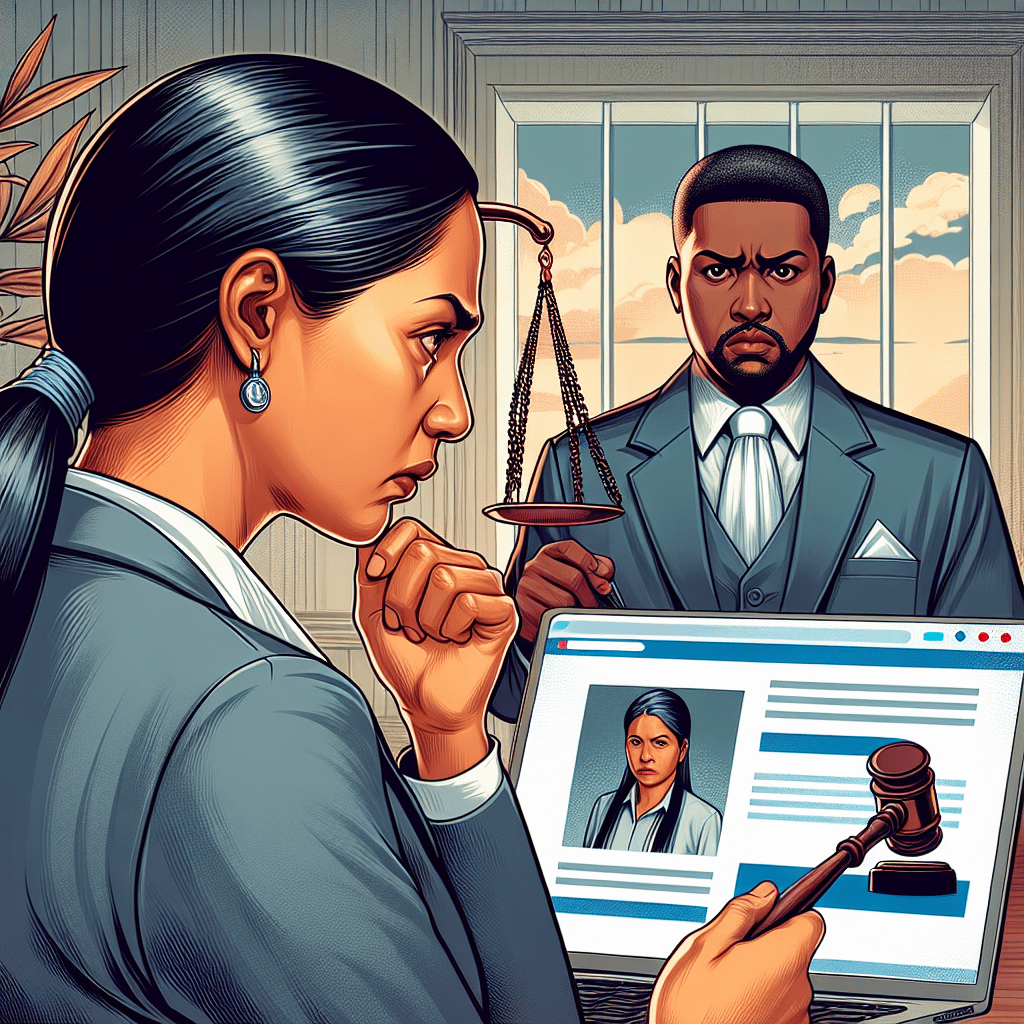
In this digital age, where sharing information online is as easy as a few keyboard clicks, it’s not uncommon for false information to circulate about individuals, sometimes damaging reputations in ways that are hard to repair. If you find yourself the victim of such a situation, you might be wondering: can I sue someone for posting false information about me online? Let’s break this down into understandable steps.
Defamation and Its Two Forms
At the core of your potential legal claim is the concept of defamation, which refers to making false statements about a person that can harm their reputation. There are two main types:
1. Libel: This involves written statements, which could be anything from social media posts to online articles.2. Slander: This involves spoken statements, like a damaging rumor spread in a video or podcast.
If the false statement is published (in writing or spoken), and it causes harm to your reputation, you may have a defamation claim.
Necessary Elements for a Defamation Case
Before heading to court, note that defamation cases require you to prove a few key elements:
- False Statement: The statement must be false. True statements, no matter how damaging, are not defamatory.
- Publication: The statement has to be communicated to at least one other person aside from you.
- Injury: You must show that the statement caused harm to your reputation, career, business, or relationships.
- Fault: You need to demonstrate the level of fault of the person making the statement. If you’re a private figure, proving negligence (lack of reasonable care) might suffice. For public figures, it’s more challenging because you need to show actual malice. This means proving that the statement was made knowing it was false, or with reckless disregard for the truth.
Common Scenarios
Imagine someone posts on Facebook claiming you’ve committed a crime when that’s utterly untrue. This post damages your reputation, causing lost job opportunities. Here, if you can prove the claims are false, published, harmful to your reputation, and that the poster was at fault, you might have grounds for a defamation lawsuit.
Alternatively, suppose a blog erroneously states that you’ve been fired for misconduct. You find this information damaging, and it’s affecting your employment prospects. Again, provided you can demonstrate the necessary elements of defamation, legal action could be on the table.
Public Figures vs. Private Individuals
An important consideration is your status as a public figure (think celebrities or politicians) versus a private individual. Public figures face a higher burden of proof because freedom of expression concerning public interests is heavily protected.
Practical Steps
If you believe you have a case, consider these practical steps:
1. Document Everything: Take screenshots, save links, and gather any evidence that shows the false information and its spread.
2. Assess Damages: Reflect on how the false statements have impacted you—financially, emotionally, or otherwise.
3. Reach Out: Sometimes, a simple request to the poster to remove the content can work.
4. Consult an Attorney: A lawyer can help assess the strength of your case and guide you through possible outcomes and strategies.
5. Understand Possible Defenses: Anticipate possible defenses the other party might claim, such as the opinion defense (claims that the statement was their opinion, not a fact) or the truth defense (that the statement was true).
Making the Decision
Deciding to pursue a lawsuit isn’t trivial. It’s worth considering the time, cost, and emotional toll. Sometimes, alternative resolutions like mediation or simply having the offending content removed and an apology issued might offer a more practical solution. Remember, legal actions, while necessary in many cases, can be complex and prolonged.
In sum, while you can potentially sue for false information posted about you online, it’s essential to understand the legal landscape surrounding defamation and weigh your options carefully. It’s often beneficial to seek legal advice to navigate this delicate terrain effectively. With the right approach, you can protect your reputation while considering both swift resolutions and the intricacies of the law.


