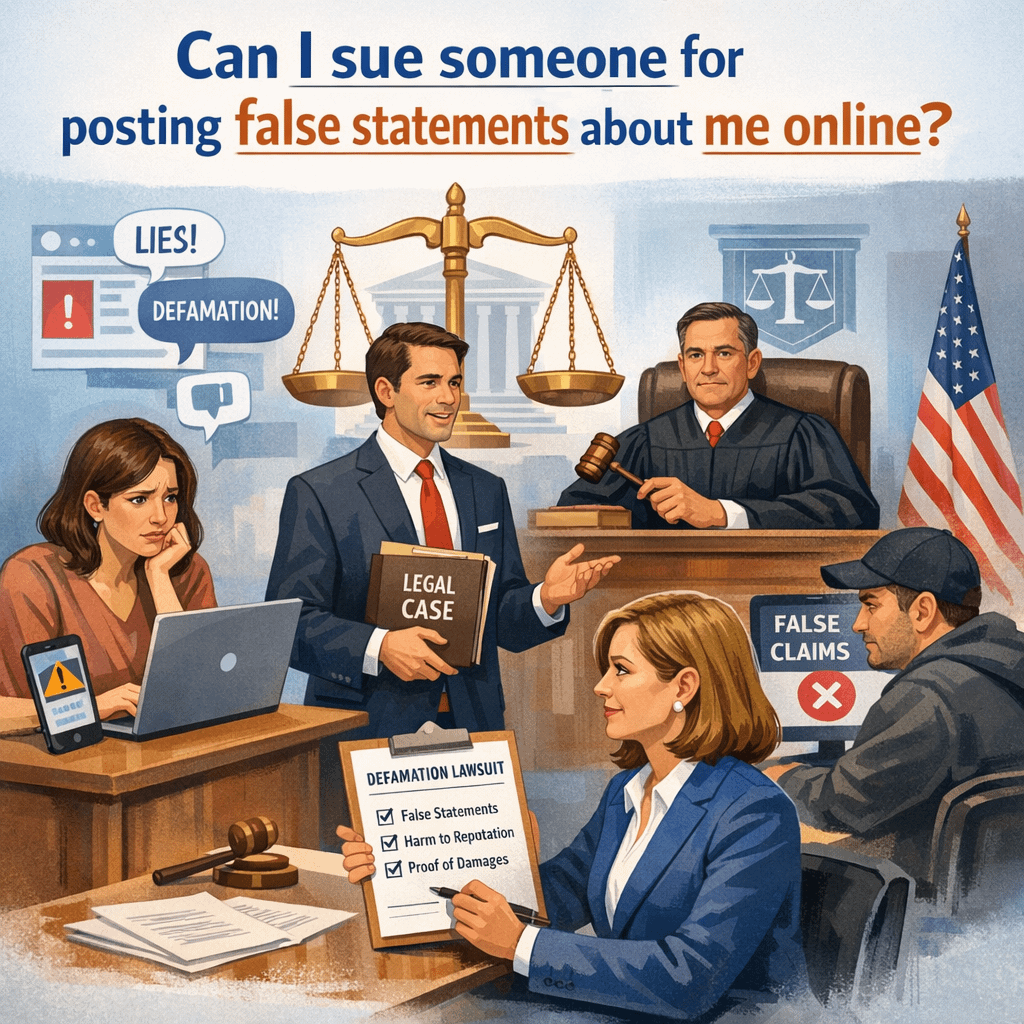
Imagine you’re scrolling through social media and suddenly see a post with false statements about you. Angry, anxious, and maybe even a bit lost, you start wondering, “Can I sue for this?” You’re not alone. Many people have faced similar situations, and understanding your rights when someone posts false information about you online is crucial.
The act of making untrue statements about someone, whether in conversation, writing, or online, falls into a legal area called defamation. Defamation encompasses both libel, which refers to written false statements, and slander, which concerns spoken false statements. In the digital age, social media posts, blog entries, and online reviews often become the battleground for such issues.
What Constitutes Defamation?
For a statement to be considered defamatory, it generally must meet certain criteria:
1. The statement must be false: Truth is an absolute defense to defamation. If the statement is true, no matter how damaging, it’s not defamatory. 2. The statement must be published: In legal terms, “published” means that the statement was shared with at least one person other than you. A tweet, Facebook post, or even a public comment on a blog counts. 3. There must be harm: You need to show that the false statement caused harm to your reputation, job, or emotional well-being. In some cases, statements are considered defamatory “per se,” meaning they are inherently harmful, like falsely accusing someone of a crime.
4. The statement must be unprivileged: Certain statements made in court or during legislative debates are protected, or “privileged,” meaning they can’t be considered defamatory.
Are Defamation Lawsuits Right for You?
Before considering legal action, ask yourself:
- Is the statement actually false? Double-check the facts. Sometimes, a statement may feel offensive but may still be true or an opinion rather than a factual claim.
- Can you prove the harm? Consider how the false statement has affected your life. You may need to show evidence like lost job opportunities, withdrawal of social contacts, or emotional distress.
Examples That Can Help
Picture a case where a fake story about you being involved in a serious crime is shared by a neighbor on social media. This false accusation could damage your social standing or career, making it a potential defamation case.
On the other hand, if a coworker writes on their personal blog that “working with [you] is tough,” this is likely an opinion. Opinions, as long as they don’t falsely imply facts, usually aren’t considered defamatory.
Practical Tips
- Prove Documentation: Keep screenshots, printouts, and URLs of all the online activity related to the false statements. This documentation is crucial if you decide to proceed with legal action.
- Respond Appropriately: Reaching out to the poster and requesting a retraction or correction may solve the issue without legal intervention. Remember to keep a record of these communications.
- Consult an Attorney: If the false statements significantly impact you, consulting an attorney who specializes in defamation is a wise step. They can help you understand the strength of your case and potential outcomes.
- Consider Alternative Dispute Resolution: Sometimes mediation or arbitration can be a quicker and less costly way to resolve defamation disputes, especially if both parties are willing to participate.
While the notion of suing someone might feel intimidating, remember that the law aims to protect you from harmful falsehoods that affect your life. By understanding the basics of defamation and consulting with legal experts when necessary, you can navigate these tricky situations with more confidence and clarity. Ultimately, taking a measured approach is key to resolving issues effectively, ensuring both your reputation and peace of mind remain intact.


