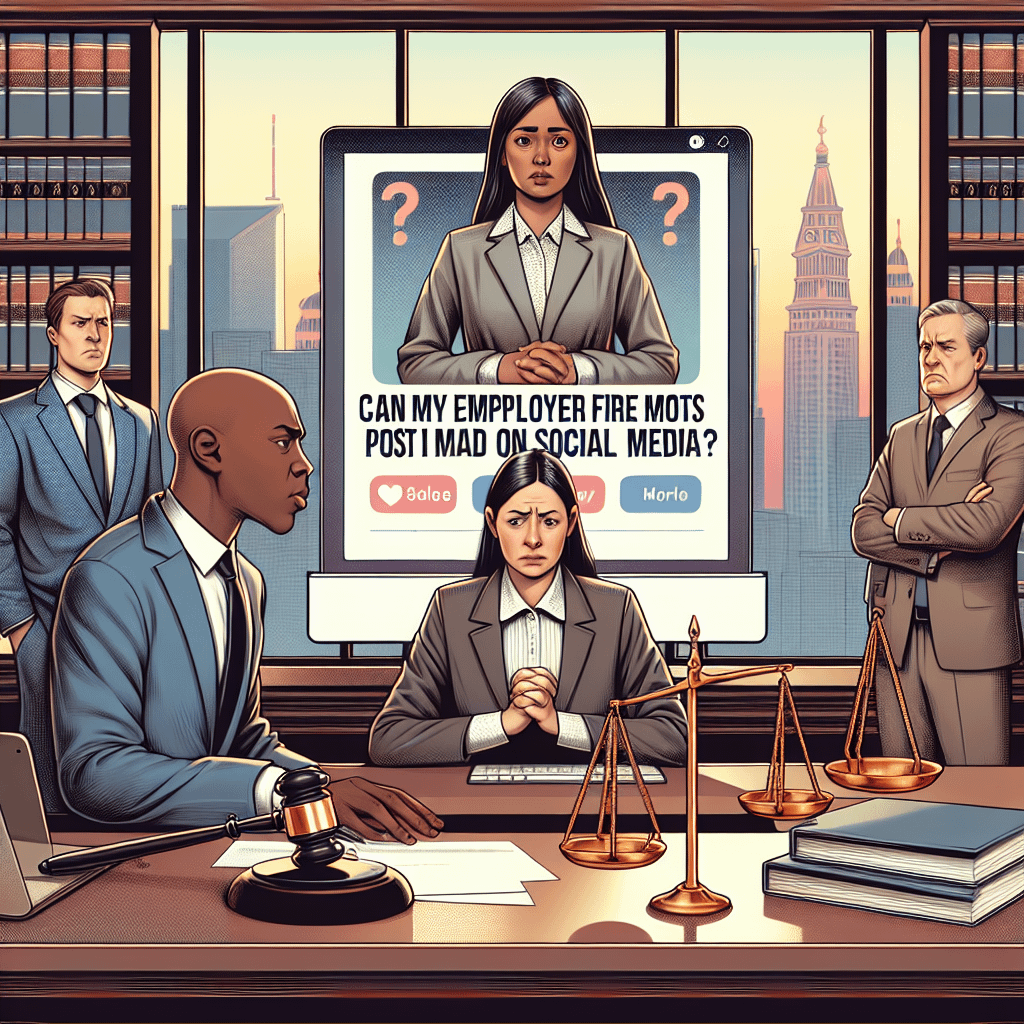
Social media has woven itself into the fabric of our everyday lives. It’s where we share our joys, vent our frustrations, and sometimes, express our opinions. But when personal posts collide with professional life, things can get complicated. A common concern many people have is whether their employer can fire them because of their social media activity. Let’s break this down and ease some of the confusion around this topic.
The Role of Employment Status
One of the key factors that will determine whether your employer can fire you for your social media activity is your employment status. Most employees in the United States are “at-will,” which essentially means your employer can terminate you at any time for any legal reason, or even no reason at all. However, this doesn’t give employers carte blanche to fire someone for discriminatory or retaliatory reasons, which are illegal.
The Influence of Social Media Policies
Many companies have social media policies that outline acceptable behavior online. These can range from simple guidelines to detailed instructions about what can and cannot be posted. Employers use these policies to protect their reputation and ensure that employees do not share confidential information or engage in behavior that could harm the company’s image.
Suppose, for example, you work for a tech company, and you post a negative comment about a product you’re involved in developing. Even if your employment is at-will, such a post could violate your company’s policy and potentially lead to disciplinary action, including termination.
Free Speech and Its Limits
A common misconception is that the First Amendment protects employees from being fired for their social media posts. However, the First Amendment safeguards against government restrictions on free speech, not actions taken by private employers. This means that while you’re free to express your opinions, your employer isn’t obligated to tolerate posts that they feel reflect poorly on their business.
Protected Activities
There are exceptions where your social media activity might be protected under labor laws. The National Labor Relations Act (NLRA) protects “concerted activities” related to workplace conditions and terms of employment. Let’s say you post a comment about inadequate safety protocols at your workplace and a coworker joins in. This could be considered a protected concerted activity, meaning your employer generally can’t fire you for this type of post.
Discrimination and Retaliation
Employers cannot fire you if termination is based on discriminatory reasons such as race, gender, religion, or retaliation for whistleblowing. If you’re fired after posting about such issues, for instance, in the context of discussing workplace discrimination, it may be illegal, and you could have a claim against the employer.
Practical Tips for Employees
1. Familiarize Yourself with Your Company’s Policy: Make sure you understand your employer’s social media policy. This will give you a framework for what is considered acceptable and what is not.
2. Think Before You Post: Reflect on whether a post might be seen in a negative light by your employer. Could it harm the company’s reputation or reveal confidential information?
3. Separate Work and Personal Accounts: Consider keeping separate accounts for professional and personal use. Even then, be aware that actions or comments on personal accounts can sometimes affect your professional life.
4. Exercise Discretion: Always use judgment when posting anything related to work. The digital age might encourage sharing, but also demands a higher level of awareness about potential impacts on your job.
In today’s digital world, what you post on social media can have implications beyond just “likes” and “shares.” By understanding the legal landscape and considering possible outcomes, you can better navigate your online activities while maintaining your professional standing. If you find yourself facing issues, speaking with a legal professional can provide guidance tailored to your specific situation.


